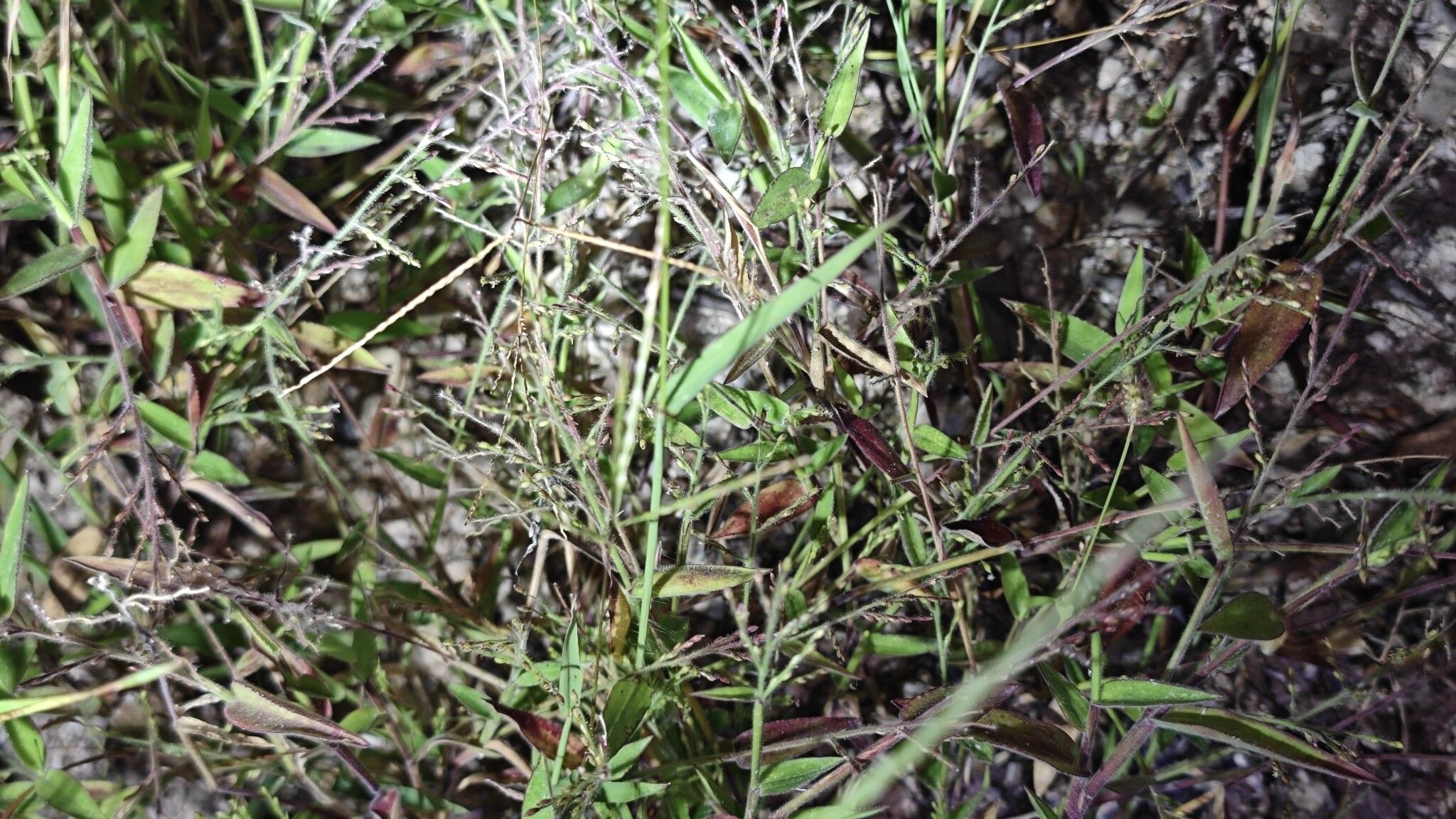
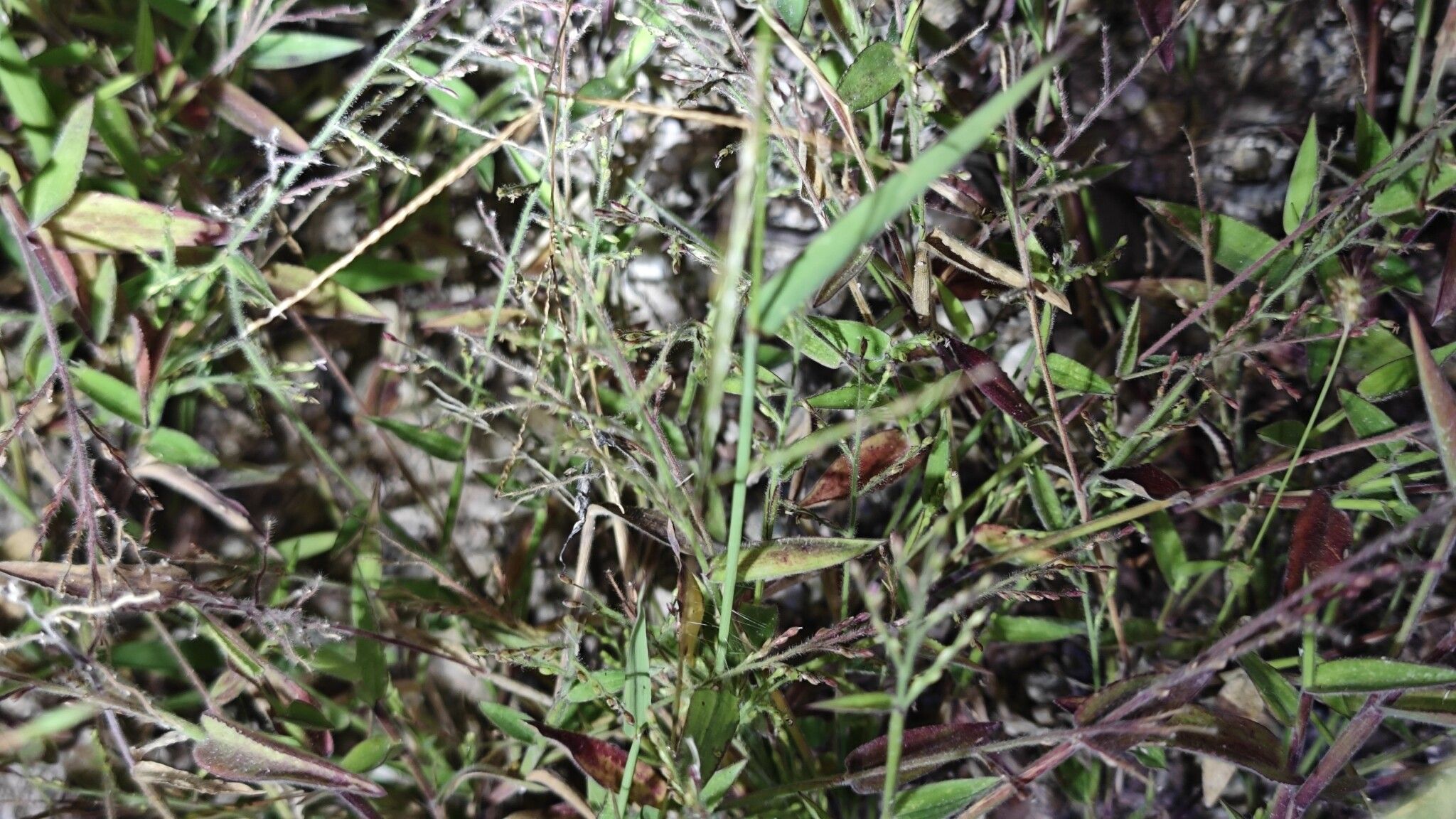
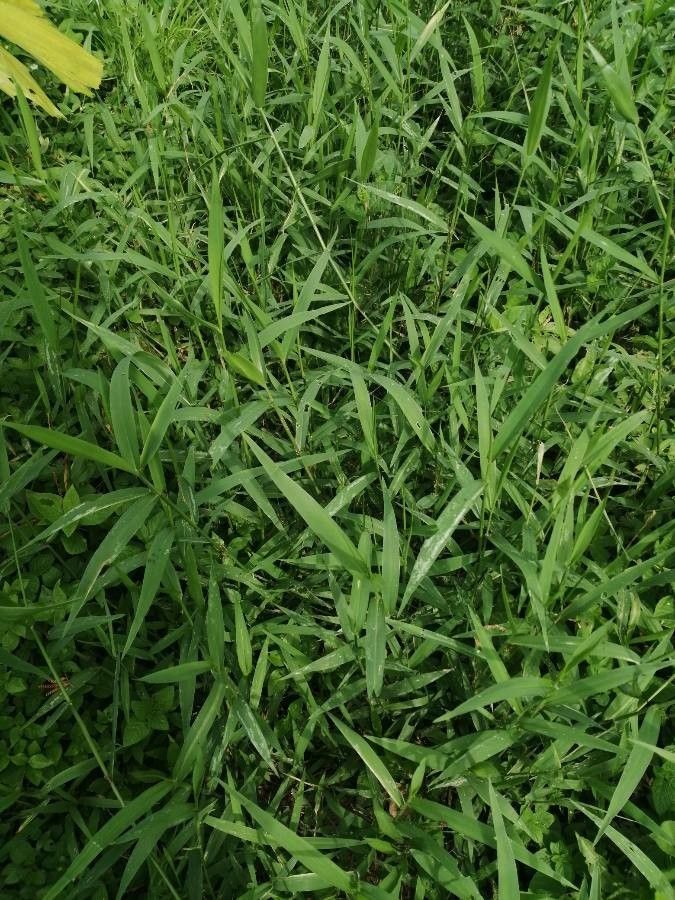
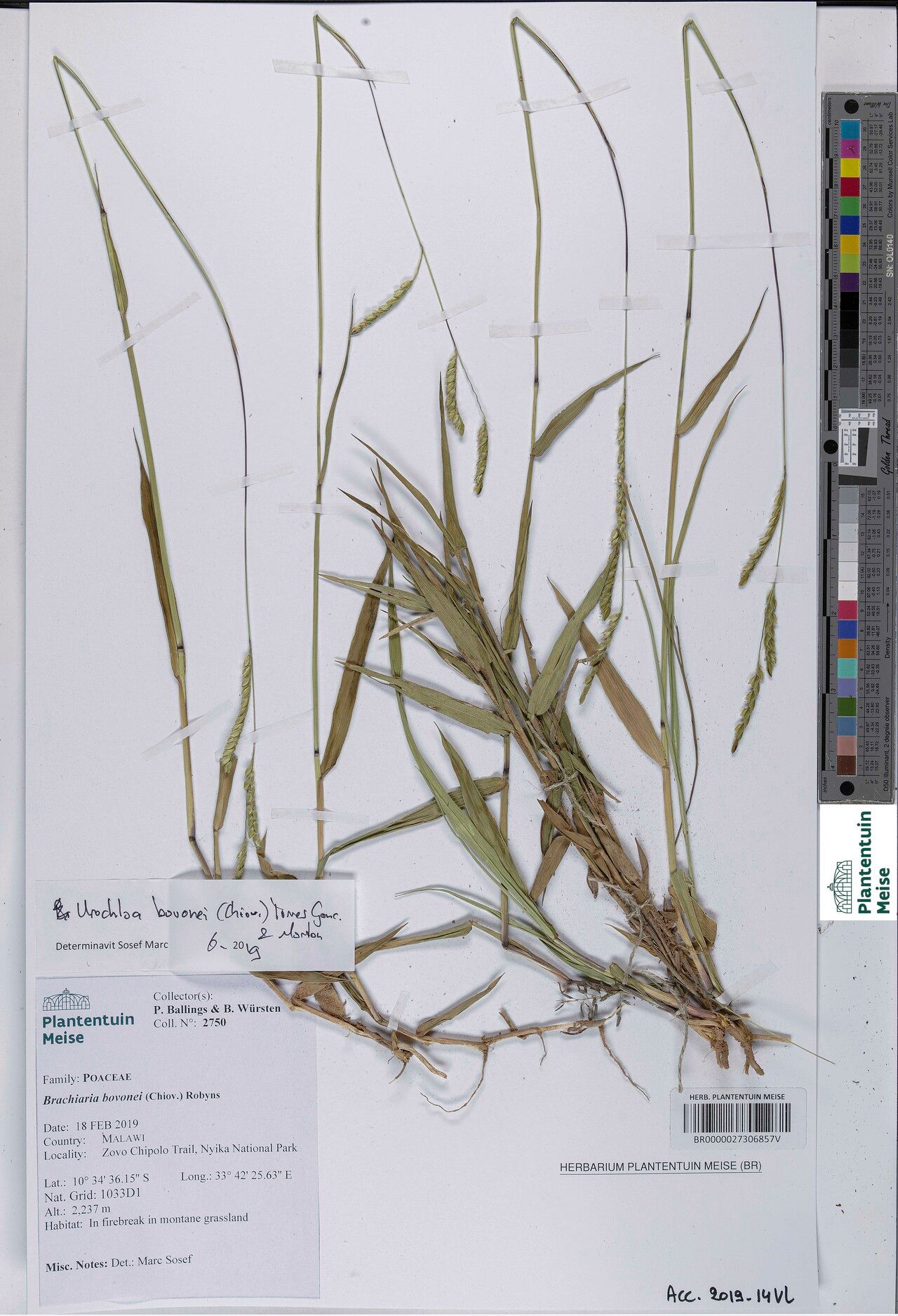
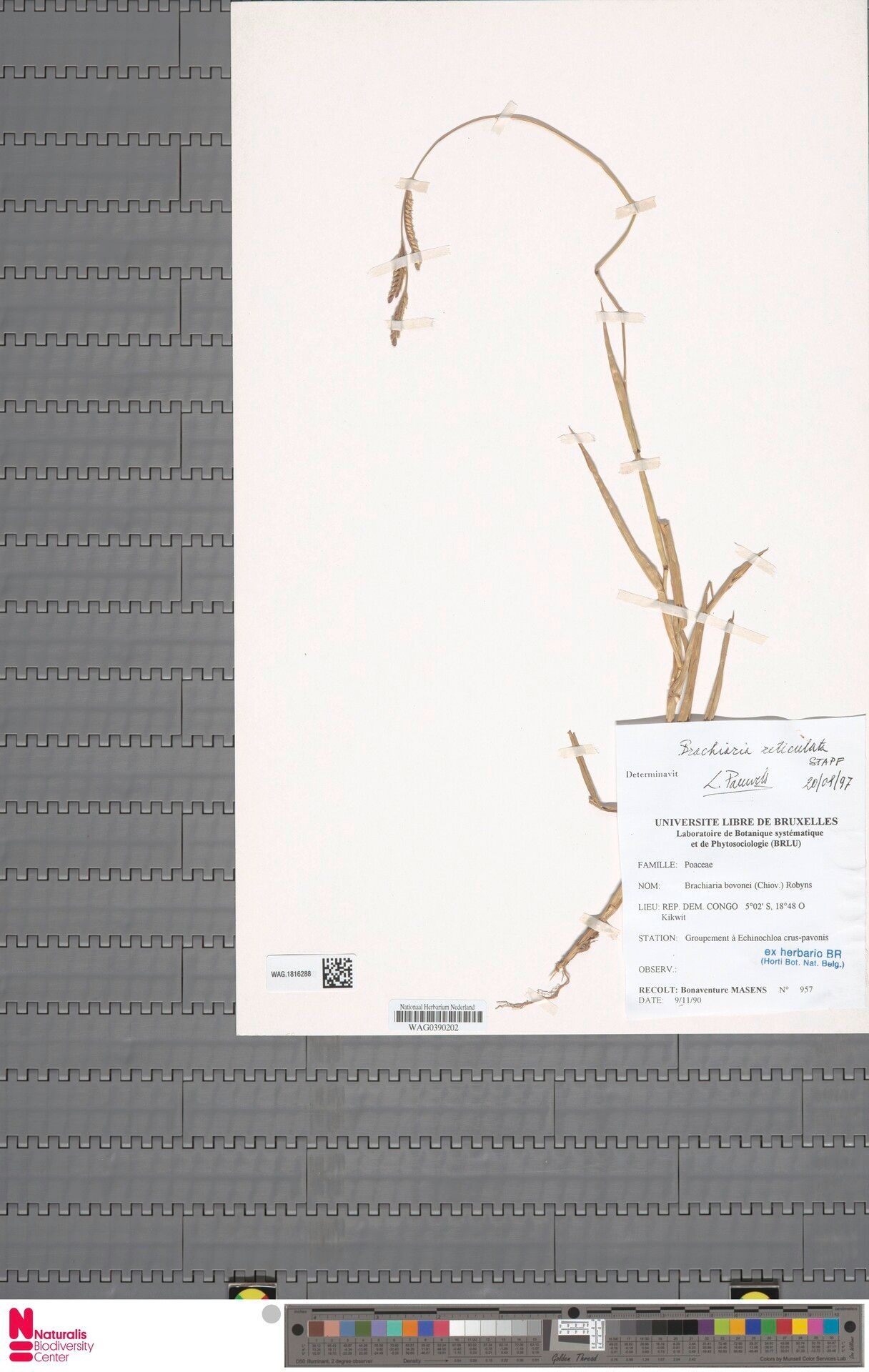
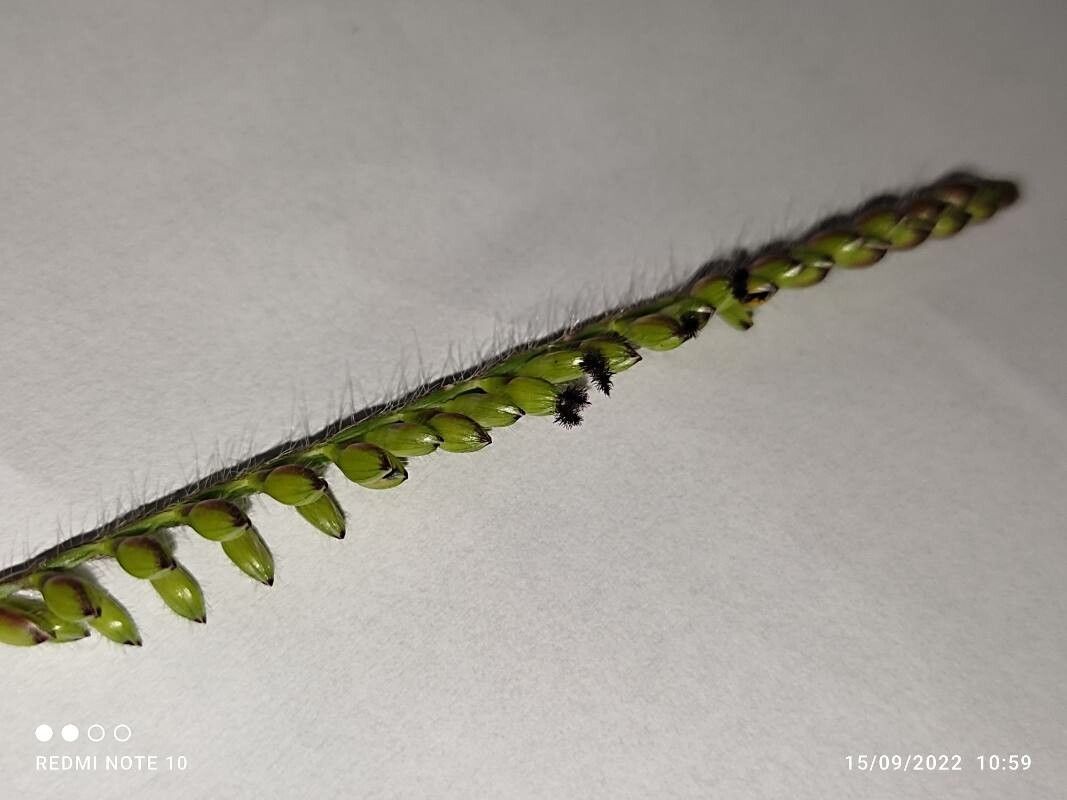
Brachiaria villosa shows good resistance to disease and is generally unlikely to be affected by illnesses. As for maintenance, this plant is fairly low-maintenance. When grown outdoors it needs only minimal watering, and larger specimens usually do not need pruning. Smaller plants, however, should be pruned after they have bloomed. Brachiaria villosat is suitable for anyone with an outdoor area, such as a garden or deck, and does not require extensive care experience.
How to keep Urochloa Villosa.
Light
Brachiaria villosa is native to well-lit, open habitats where it flourishes in full sunlight. While it can endure semi-shade, it has a preference for uninterrupted sunlight for prime development. This plant, which grows annually and biennially, is notably fond of sun exposure.
Temperature
Brachiaria villosa is native to tropical areas wherein the weather is generally hot and moist. Consequently, it has adapted well to warmth and high humidity. It is not fond of sudden changes in temperature and favors a steady temperature setting, thus, indoor temperature swings should be evaded. Typically, it is unsuited to frosty conditions and demands higher temperatures to grow. If temperatures fall excessively, it may halt growth or even perish.
Botanical profile.
- Plant Type
- Grass
- Life Cycle
- Annual
- Hardiness Zone
- 8-11
- Mature Height
- 10 cm to 40 cm
- Mature Spread
- 20 cm to 49 cm
- Leaf Color
- Green
- Leaf Type
- Evergreen
- Flower Color
- Yellow, Green, Brown
- Flower Size
- 1.02 cm to 3.05 cm
- Bloom Time
- Summer, Early fall, Mid fall
- Planting Time
- Spring, Summer
- Harvest Time
- Late summer, Fall, Early winter
Other names.