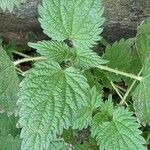
Urtica dioica
Stinging nettle · Common nettle · Giant nettle · Nettle · European nettle
Description
Source: leafsnapUrtica dioica, often known as common nettle, burn nettle, stinging nettle (although not all plants of this species sting) or nettle leaf, or just a nettle or stinger, is a herbaceous perennial flowering plant in the family Urticaceae. Originally native to Europe, much of temperate Asia and western North Africa, it is now found worldwide, including New Zealand and North America. The species is divided into six subspecies, five of which have many hollow stinging hairs called trichomes on the leaves and stems, which act like hypodermic needles, injecting histamine and other chemicals that produce a stinging sensation upon contact ("contact urticaria", a form of contact dermatitis).The plant has a long history of use as a source for traditional medicine, food, tea, and textile raw material in ancient (such as Saxon) and modern societies.
💡 The small town of Dorset in England hosts the World Nettle Eating Championship, a unique competition where participants attempt to eat as much raw stinging nettle as they can. This unusual annual event attracts thousands of visitors to Dorset each year.
🌳 Stinging nettle can indicate a great deal about the soil in which it grows. A dense stand of stinging nettle signals high fertility, especially elevated nitrogen levels, making it an excellent bioindicator for farmers and ecologists. Recognizing the presence of stinging nettle can therefore guide agricultural practices and land-management decisions.
🎭 Expelling negativity, safeguarding, suffering, staying alive
Care Guide
💧 Water Every 3 days
Stinging nettle thrives in moist environments and benefits from regular soil hydration, requiring weekly watering. While it is moderately drought-tolerant, it grows best when the soil moisture resembles its natural habitat. As an herbaceous perennial, stinging nettle adapts well to both outdoor gardens and container growth if watered carefully.
When should I water my stinging nettle?
Watering stinging nettle requires attention to soil moisture, leaf condition, and weather. The soil should remain consistently moist, so check by inserting your finger about 1 inch deep into the soil; if it feels dry, it's time to water. Wilted or droopy leaves, deepening green, or yellowing also indicate the need for water, especially during high temperatures and low rainfall. However, avoid watering when the soil is still moist to prevent fungal diseases and root rot, and beware of under-watering as it can lead to growth issues or plant death. Monitoring these signs is essential for the plant's health.
How should I water my stinging nettle?
Stinging nettle benefits from bottom-watering to ensure the roots receive adequate moisture without soggy foliage, which helps prevent fungal diseases. Use a watering can with a narrow spout to direct water to the base and avoid wetting the leaves. Employing a moisture meter can help maintain the right soil moisture level. To avoid issues with wet foliage, take care not to over-wet the leaves and gently dry them if they get watered. Watering needs might vary with sun exposure, and ensuring good drainage is crucial.
How much water does stinging nettle really need?
Stinging nettle thrives in moist soils but requires good drainage to avoid water-logging. The optimal water quantity should moisten the soil deeply according to the pot and root depth. For a standard size pot, water until it drains out the bottom. Avoid over-watering which leads to yellowing leaves, and ensure proper watering to avoid dry and brittle leaves. Strive for a balance by thoroughly soaking the soil while ensuring good drainage, and adjust watering based on the plant's response.
What kind of water is best for stinging nettle?
Stinging nettle prefers rainwater or distilled water, as tap water may need to be treated to remove chemicals. It can tolerate some chlorine but prefers water that has been left to sit for 24 hours to reduce chlorine content. It's sensitive to fluoride, so avoid using fluoride-rich water sources. Low mineral water is best, preventing harmful buildup in the soil. Room temperature water without extreme cold or hot is ideal, enhancing the plant's well-being.
How do stinging nettle's watering needs change with the seasons?
Stinging nettle's watering needs vary by season. In spring, keep the soil moderately moist to support new growth. During summer, due to increased evaporation and active growth, maintain consistent soil moisture, avoiding flooding. In autumn, with reduced growth and possibly more rain, reduce watering and allow the top soil layer to dry out. Winter sees minimal watering needs due to dormancy and lower temperatures; however, prevent complete dry-out during frost.
☀️ Light Partial sun
Stinging nettle prefers a spot with moderate sunlight for healthy growth. It can also tolerate locations with higher sun exposure. In the wild it does best under dappled sunlight that filters through overhead foliage. Too much sun can leach its nutrients, while too little light may stunt its growth.
What are the sunlight requirements for stinging nettle?
Stinging nettle requires moderate sunlight for healthy growth, but it can also tolerate full sunlight. It thrives best under dappled sunlight, mimicking its natural habitat beneath overhead foliage. While excessive sunlight may leach nutrients, inadequate sunlight can stunt the plant's growth. When considering artificial lighting for indoor plants, ensure adequate lighting, especially during less sunny periods. LEDs are recommended for their ability to provide specific light wavelengths needed by plants. The amount of artificial light needed varies with plant types: full sun plants require 30-50W/sq ft, partial sun plants 20-30W/sq ft, and full shade plants need 10-20W/sq ft. The positioning should be 12-36 inches above the plant, with the duration mimicking natural daylight hours, typically 8-12 hours per day.
What symptoms indicate insufficient or excessive light exposure in stinging nettle?
Symptoms of insufficient light in stinging nettle include smaller new leaves, leggy or sparse growth, faster leaf drop, delayed or halted growth, and paler new leaves. Excessive sunlight can cause chlorosis (leaves turning yellow due to chlorophyll breakdown), sunscald (pale, bleached areas on leaves or stems), leaf curling (as a defense mechanism to minimize water loss), wilting (due to increased water loss), and leaf scorching (brown, dry edges on leaves). These issues highlight the importance of monitoring light exposure for stinging nettles to maintain their health.
How can I address light-related issues in stinging nettle?
To address light-related issues in stinging nettle, both indoors and outdoors, gradually adapt the plant to changing light conditions by shifting it to sunnier spots each week until it receives 3-6 hours of direct sunlight daily. For indoor plants that are large or not easily movable, consider using artificial light, keeping a desk or ceiling lamp on for at least 8 hours daily, or investing in professional plant grow lights. Outdoors, move plants gradually to avoid sudden changes in light intensity that can cause sunburn. Additionally, reduce sunlight obstructions by pruning or transplanting smaller plants to sunnier locations with good drainage during their dormant period. It's important to note that parts of the plant affected by insufficient sunlight may not recover, but with increased light exposure, new growth will be healthy.
🌡️ Temperature 0–35°C
Stinging nettle is native to temperate areas and prospers in temperatures of 68 to 95 °F (20 to 35 ℃). It tolerates cold winters but is at its best during warmer seasons. When growing this plant, keep the temperature within that range for optimal growth.
What are the optimal growing conditions for Stinging Nettle (Urtica dioica)?
Stinging Nettle, or Urtica dioica, thrives in temperate climates with temperatures ranging between 68 to 95 °F (20 to 35 °C), making it well-suited for warmer seasons while still being cold-resistant. It adapts to chilling winters without needing special frost protection, but in areas where temperatures might drop below -35°C, it's important to cover the plant with soil or straw before the first freeze in autumn and water it abundantly to keep the soil moist. This preparation helps prevent drought and water scarcity for the plant during the colder months.
How does Stinging Nettle react to low temperatures and how can one mitigate its effects?
Stinging Nettle is cold-tolerant and thrives best when temperatures are above 20°C. Throughout winter, maintaining temperatures above 0°C is essential. If temperatures fall below -35°C, the plant may show no noticeable changes during winter but could lead to decreased sprouting or no sprouting at all during spring. To mitigate these effects, remove any parts of the plant that have failed to sprout in the spring.
What should be done if Stinging Nettle experiences high temperatures?
In summer, it is crucial to maintain Stinging Nettle's exposure to temperatures below 35°C. Exceeding 41°C can result in the leaves becoming lighter in color, curling, and being susceptible to sunburn, with the plant potentially wilting and drying out in severe cases. To counteract high temperature stress, trim away sunburned and dried-up parts of the plant. Additionally, move the plant to a shaded location or use a shade cloth to protect it from the midday and afternoon sun. Ensure the soil remains moist by watering the plant in the morning and evening.
💨 Humidity high (>60%)
This plant needs special care because it loves high humidity levels of 60-80% or more. The best way to achieve this is by placing a humidifier near the plant. Daily misting is also essential! Make sure the room has good ventilation.
🪴 Soil 5-7
🌱 Fertilizer
One fertilizer application in spring is generally enough for Stinging nettle, though several feedings can maximize growth. Apply every four to six weeks. Fertilizing improves leaf appearance and function, helping keep a uniform color and healthy texture. It also promotes root development and nutrient uptake for long-term plant health.
🪴 Pot & Repot
✂️ Pruning
Stinging nettles often grow taller than you want, so pruning can help maintain a compact plant. For top-heavy nettles, cut back about ⅓ of the top of the plant. You can compost the cut portion to return the nutrients. Trimming growing flowers will encourage your plant to produce a better harvest next season.
🌿 Propagating
🐛 Diseases & pets
☠️ Toxicity
Stinging nettles are potentially poisonous when misused. They are also known to be toxic to pets when touched or ingested. If your dog or cat accidentally ingests the plant, they will likely experience redness, profuse salivation, vomiting, difficulty breathing, twitching, itching, pawing at the mouth, and other severe symptoms. It's best to provide medical care as soon as you notice any signs.
Characteristics
- Plant Type
- Herb
- Life Cycle
- Perennial, Annual
- Genus
- Urtica
- Family
- Urticaceae
- Hardiness Zone
- 3-10
- Mature Height
- 40 cm to 91 cm
- Mature Spread
- 30 cm to 91 cm
- Leaf Color
- Green
- Leaf Type
- Deciduous
- Flower Color
- Green, White, Cream
- Flower Size
- 0.25 cm
- Bloom Time
- Late spring, Early summer, Mid summer
- Planting Time
- Spring
- Harvest Time
- Mid summer
- Native Area
- Libya, Turkey, India, Austria, Mexico, Slovakia, Pakistan, Slovenia, Morocco, Croatia, Belarus, Russia, Iraq, Germany, Estonia, Romania, Latvia, Belgium, Moldova, Netherlands, Nepal, Portugal, France, Tunisia, Czech Republic, Cyprus, Bulgaria, Poland, Armenia, Greece, North Macedonia, Ukraine, Lebanon, China, Lithuania, Norway, Afghanistan, Syria, Italy, Spain, Denmark, Finland, Israel, Bhutan, Iran, Albania, Ireland, United Kingdom, Hungary, Algeria, Azerbaijan