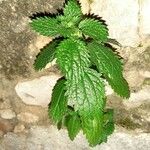
Urtica urens
Stinging nettle · Burning nettle · Dwarf nettle · Lesser nettle · Lesser stinging nettle
Description
Source: leafsnapUrtica urens, commonly known as the small nettle or dwarf nettle, is a herbaceous plant in the Urticaceae family. This small annual plant can grow up to 50 cm in height and is notable for its stinging hairs on both its leaves and stems. The leaves are opposite, either ovate or lanceolate in shape, with serrated margins, and are arranged along the stem. Urtica urens produces greenish-white flowers that are clustered on long stalks. Native to Europe, Urtica urens is also found across Asia, North America, and Africa. It thrives in moist soils such as those along riverbanks or in damp meadows, but it can also grow well in disturbed areas like roadsides. For centuries, Urtica urens has been valued for its medicinal properties, attributed to its high content of vitamins A and C, iron, calcium, and potassium, among other nutrients. Traditionally, it has been used to relieve arthritis pain due to its anti-inflammatory properties, reduce histamine levels to alleviate allergies, act as a diuretic to aid with urinary tract infections, and stimulate the production of gastric juices to improve digestion. Beyond its medicinal uses, Urtica urens also has culinary applications. Young leaves can be cooked like spinach, while older leaves can be dried and made into a vitamin-rich tea. Overall, Urtica urens offers numerous benefits both medicinally and culinarily, making it an important component of traditional medicine practices around the world today.
💡 The Small Nettle is reputed to have a more intense sting than the common Stinging Nettle. Like its larger relative, the Small Nettle serves as a vital food source for the caterpillars of various butterfly species. Notably, it supports the small tortoiseshell butterfly (Aglais urticae) in Europe, as well as the New Zealand red admiral (Vanessa gonerilla) and the yellow admiral butterfly (Vanessa itea) in New Zealand.
🎭 Expelling spirits, Safeguarding, Restoration
Care Guide
💧 Water Every 7 days
Small Nettle thrives in environments that mimic its natural, moisture-rich habitat. It needs consistent soil moisture and is moderately drought-tolerant, benefiting from weekly watering. Although usually grown outdoors and supported by natural rainfall, it is important to keep the soil evenly moist during the growing season, without over-saturating it.
How should I water my Small Nettle plant in the best way?
To water Small Nettle, you have a few options. You can use a garden hose with a spray nozzle, a watering can, or any other common watering tool. The type of water you use doesn't really matter to Small Nettle – rainwater, tap water, or even filtered water will do. It's generally best not to water this plant from overhead, as it can harm the leaves and flowers and might cause disease. A drip irrigation system works particularly well for watering Small Nettle, as it provides even and direct water to the soil. If you have a Small Nettle in a container, you can use a similar watering method, but with different tools. Simply use a cup, watering can, or your tap to apply water directly to the soil.
What should I do if I give my Small Nettle plant too much or too little water?
To prevent underwatering Small Nettle, simply water it more regularly when you notice it lacks moisture. Overwatering, on the other hand, can be a serious issue. It can cause diseases that lead to the decline and death of the plant. To avoid this, choose a location for your Small Nettle that receives ample sunlight and has good drainage to prevent waterlogged soil. If you overwater your Small Nettle in a pot, you may need to transfer it to a new pot with better soil drainage and more drainage holes. Make sure to use loose soil and an efficient draining pot when repotting the overwatered plant.
How frequently should I give water to my Small Nettle?
To take care of Small Nettle, water it regularly throughout the growing season. In the spring, water it once a week. As the season progresses and it gets hotter, you may need to water it two to three times per week. However, be careful not to exceed this frequency as it can harm the plant. It's important to keep the soil moist but not wet, regardless of how often you water it. If Small Nettle is in a pot, you'll need to water it more frequently since pot soil can dry out faster. In most cases, water a Small Nettle in a container a few times per week, compared to just once per week for one planted in the ground.
How much water does my little nettle plant require?
There are a few different ways to decide how much water to give your Small Nettle. Some gardeners prefer to feel the soil to determine moisture levels. In this case, you should water until the top six inches of soil feel moist. Another option is to use a specific measurement. Generally, Small Nettle requires about two gallons of water per week, depending on the heat and how quickly the soil dries out. However, be cautious about following this guideline blindly as it may result in overwatering if your plant needs less water. When growing Small Nettle in a container, a different approach is needed. You should water enough to moisten all layers of dry soil. To check, simply stick your finger in the soil to feel for moisture. Another method is to water until you see some water trickling out of the drainage holes in the pot.
How can I know if I'm giving enough water to my Small Nettle plant?
Avoiding overwatering your Small Nettle can be somewhat challenging. These plants have deep roots, so weekly watering is necessary to keep the soil moist. However, be cautious as Small Nettle are easily prone to root rot and browning if overwatered. Underwatering is less of a concern as these plants can survive for a while without additional watering. However, if you go too long without watering, the plant will likely wilt and the leaves may become dry.
☀️ Light Full sun
Small Nettle prefers spots that receive abundant sunlight throughout the day, encouraging its healthy growth. It can also adapt to areas with moderate sun exposure. However, insufficient light or too much sun can negatively affect the plant's health. Its origins in well-lit habitats illustrate this preference.
What are the sunlight requirements for Small Nettle?
Small Nettle thrives in locations where it can receive ample sunlight throughout the day, which is crucial for its healthy growth. It prefers full sun conditions, which mean more than 6 hours of direct sunlight a day, but can also adapt to partial sun, receiving about 3-6 hours of sunlight. When planning your garden, it's important to observe the movement of sunlight across the area and select spots that offer a good balance of light and shade as per your plant's needs, ensuring its well-being.
How should I use artificial lighting for indoor Small Nettle plants?
For indoor Small Nettle plants or in areas where natural sunlight is insufficient, especially during winter or less sunny spaces, artificial lights play a crucial role. Choose the right type of artificial light, with LED lights being a popular and efficient option as they can offer specific wavelengths needed by plants. Full sun plants need 30-50W/sq ft, partial sun plants 20-30W/sq ft, and full shade plants 10-20W/sq ft of artificial light. Position the light source 12-36 inches above the plant to mimic natural sunlight and ensure plants receive 8-12 hours of light per day, adjusting to mimic natural daylight hours as closely as possible.
What are the symptoms of inadequate light in Small Nettle?
When grown indoors or under insufficient light, Small Nettle may display several symptoms: smaller new leaves compared to older ones, leggy or sparse growth indicating a stretched appearance due to longer spaces between leaves or stems, faster leaf drop as the plant conserves resources, delayed or halted growth as the plant enters survival mode, lighter-colored new leaves or chlorosis leading to lost green color and yellowing due to insufficient sunlight, sunscald characterized by pale, bleached areas from intense light exposure, leaf curling to minimize damage and water loss, wilting from increased water loss due to transpiration, and leaf scorching, seen as brown, crispy edges on leaves from too much sun.
How can I address and prevent light-related issues in Small Nettle?
To optimize Small Nettle growth and address insufficient light, gradually move your plants to areas with at least 6 hours of direct sunlight daily, using a south-facing window for indoor plants and keeping curtains open. If moving the plant isn't feasible, consider artificial lighting, keeping a lamp on for at least 8 hours a day or investing in grow lights. For outdoor plants, move them to sunnier spots gradually to prevent sunburn. If necessary, prune surrounding vegetation to improve sunlight access. For plants in the ground, you might need to transplant them during their dormant period to a better-lit location with good drainage. Remember, plants affected by inadequate sunlight may not recover fully, but new growth should be healthy once proper light conditions are met.
🌡️ Temperature 0–35°C
Small Nettle originates in temperate regions where temperatures typically range from 68 to 95 °F (20 to 35 ℃). This plant prefers the warmer side of that spectrum. Alter care with the seasons to keep it within this optimal temperature range.
What are the ideal temperature conditions for growing Small Nettle?
Small Nettle thrives in temperate regions with temperatures typically ranging from 68 to 95°F (20 to 35°C). The plant prefers the warmer end of this spectrum, indicating that care adjustments may be necessary with seasonal changes to maintain this optimal temperature range. While Small Nettle has strong cold resistance, meaning special frost protection measures are not typically needed, if winter temperatures are expected to fall below its cold tolerance limits, protection such as covering the plant with soil or straw can be beneficial. Additionally, watering the plant abundantly before the first freeze in autumn, ensuring the soil is moist as it freezes, helps prevent drought and water scarcity during winter and early spring.
How does Small Nettle respond to low temperatures?
Small Nettle is cold-tolerant and functions best when temperatures remain above its minimum growth threshold. During winter, it's important to ensure the temperature does not drop below its tolerance limit. If it does, while there may not be noticeable changes during the winter, a decrease in sprouting or complete lack of sprouting may occur by springtime. A solution for any parts of the plant that fail to sprout in the spring is simply to remove them.
How should Small Nettle be cared for in high temperatures?
In summer, it's crucial to keep Small Nettle's temperature below its maximum preferred limit. Exceeding this limit can cause the leaves to lighten in color, become prone to curling, suffer from sunburn, and in severe cases, the plant may wilt and dry out completely. To mitigate these issues, trim away sunburned and dried-up parts of the plant. Move the plant to a shaded area, especially to protect it from midday and afternoon sun, or use a shade cloth. It's also beneficial to water the plant in the morning and evening to maintain soil moisture.
💨 Humidity high (>60%)
This plant needs special care because it loves high humidity levels of 60-80% or more. The best way to achieve this is by placing a humidifier near the plant. Daily misting is also essential! Make sure the room has good ventilation.
🪴 Soil 6-7
🌱 Fertilizer
Small Nettle benefits from frequent, low-strength fertilizer applications to encourage healthy leaf growth. Fertilize Small Nettle about once a month during the summer. Nitrogen is vital for foliage, and adding nitrogen-rich sources helps Small Nettle thrive.
🪴 Pot & Repot
When repotting Small Nettle, select a pot that's 1–2 inches (2.5–5.1 cm) larger in diameter and that has good drainage. Use a well-draining potting mix and consider adding perlite for extra drainage. Repot in spring or early summer, water thoroughly afterward, and place it in a shady spot for the very beginning.
✂️ Pruning
🌿 Propagating
🐛 Diseases & pets
☠️ Toxicity
Characteristics
- Plant Type
- Herb
- Life Cycle
- Annual, Biennial
- Genus
- Urtica
- Family
- Urticaceae
- Hardiness Zone
- 3-9
- Mature Height
- 10 cm to 61 cm
- Mature Spread
- 30 cm to 61 cm
- Leaf Color
- Green, Blue
- Leaf Type
- Deciduous
- Flower Color
- White, Green, Yellow
- Flower Size
- 0.20 cm
- Bloom Time
- Late spring, Early summer, Mid summer
- Planting Time
- Spring
- Harvest Time
- Early summer, Mid summer
- Native Area
- Libya, Egypt, Turkey, Sweden, Austria, United Arab Emirates, Slovakia, Montenegro, Slovenia, Morocco, Croatia, Yemen, Belarus, Russia, Iraq, Germany, Indonesia, Estonia, Romania, Qatar, Latvia, Belgium, Portugal, Netherlands, Saudi Arabia, France, Tunisia, Czech Republic, Sudan, Cyprus, Bulgaria, Poland, Armenia, Greece, Ukraine, Serbia, Lebanon, Lithuania, Norway, China, Syria, Kyrgyzstan, Kazakhstan, Italy, Spain, Switzerland, Denmark, Finland, Iran, Albania, Ireland, United Kingdom, Hungary, Kuwait, Algeria, Azerbaijan