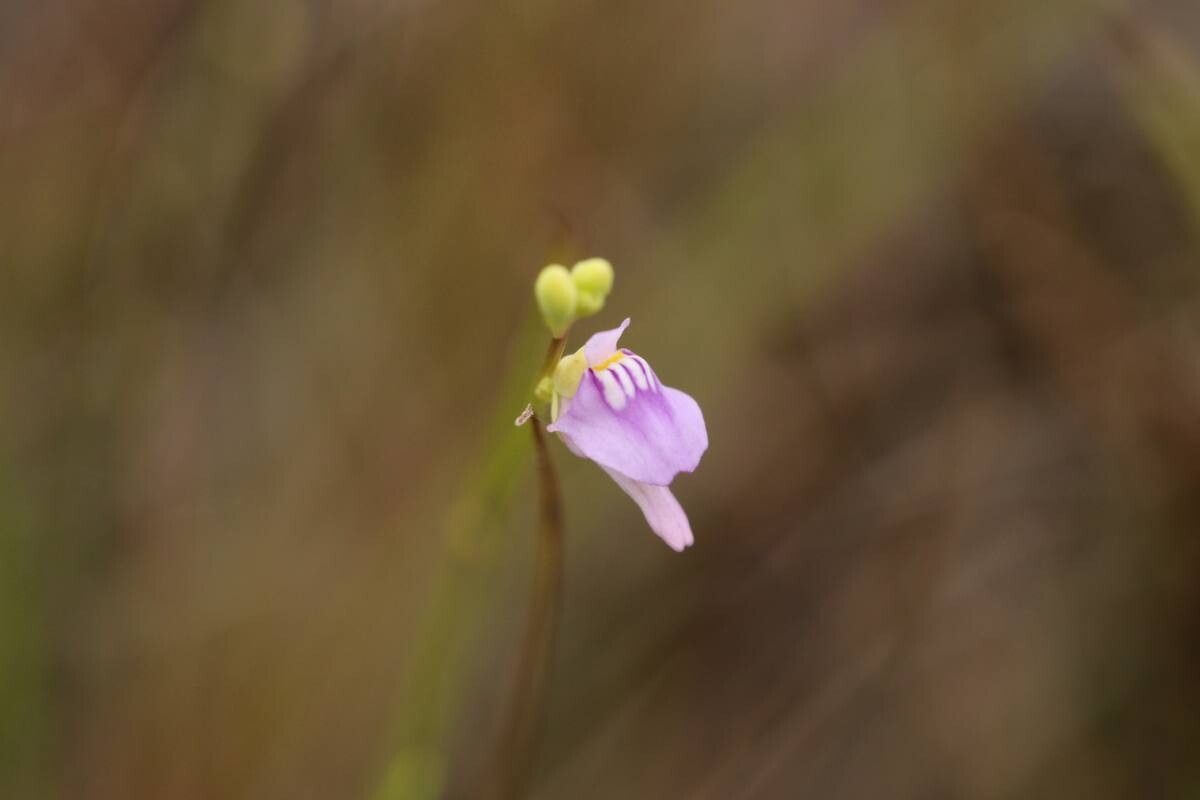
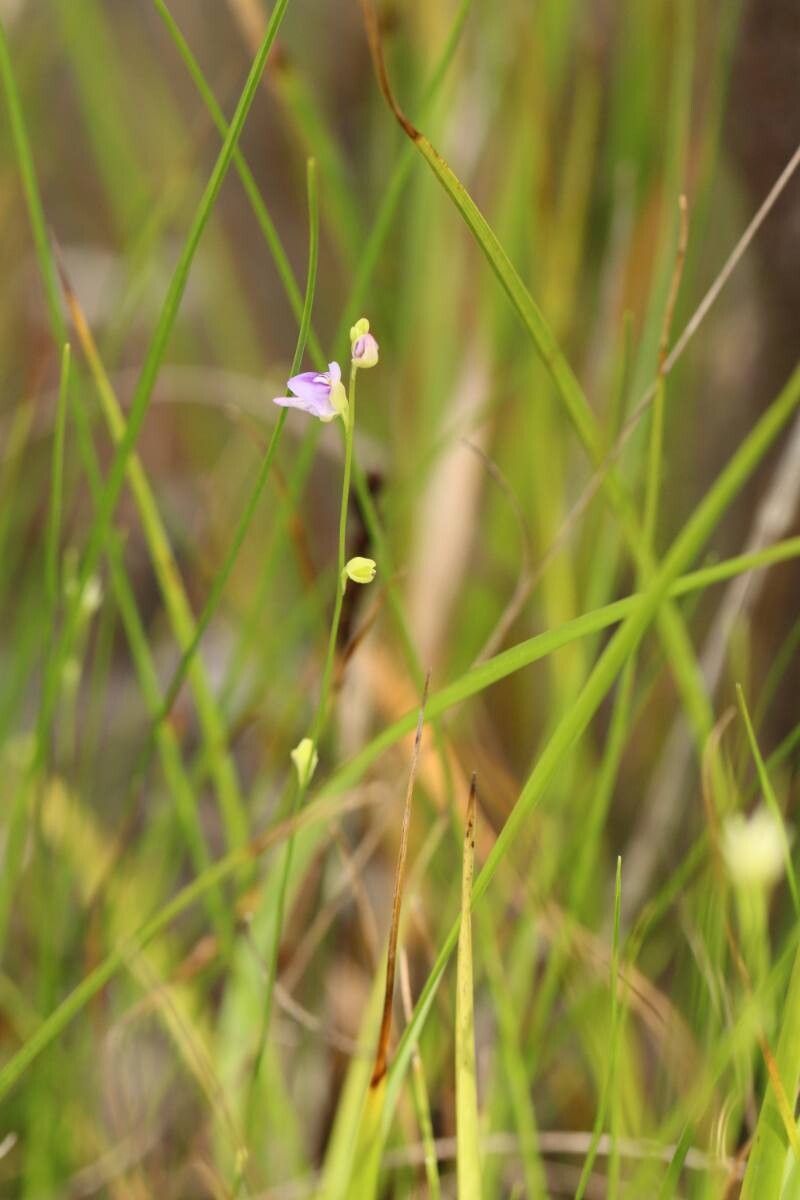
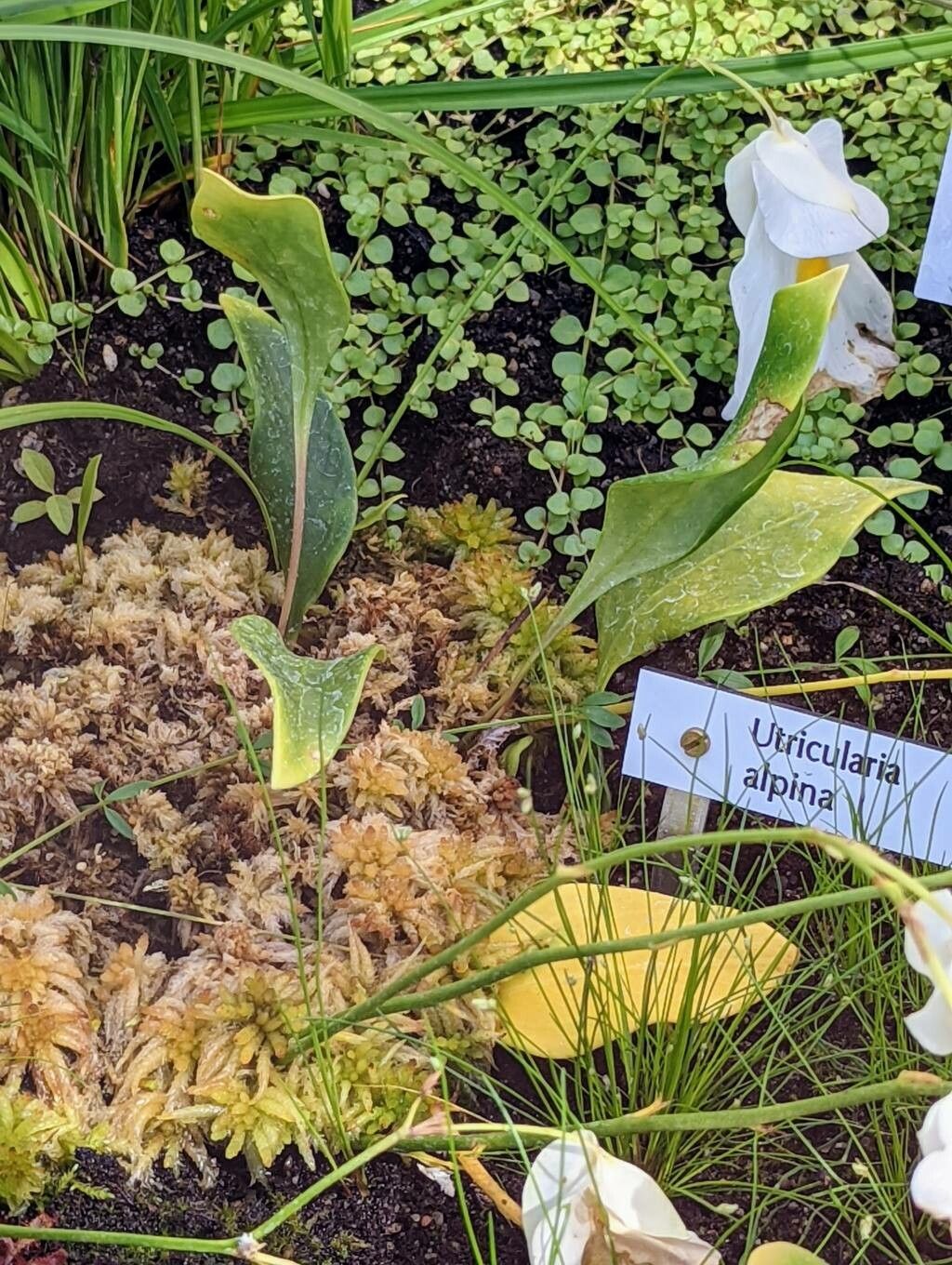
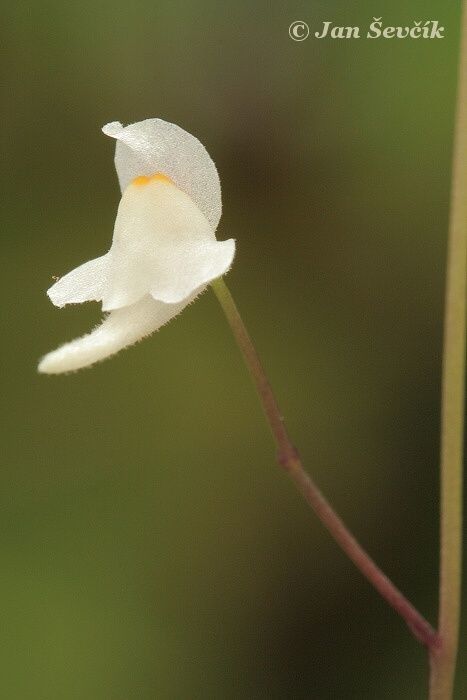
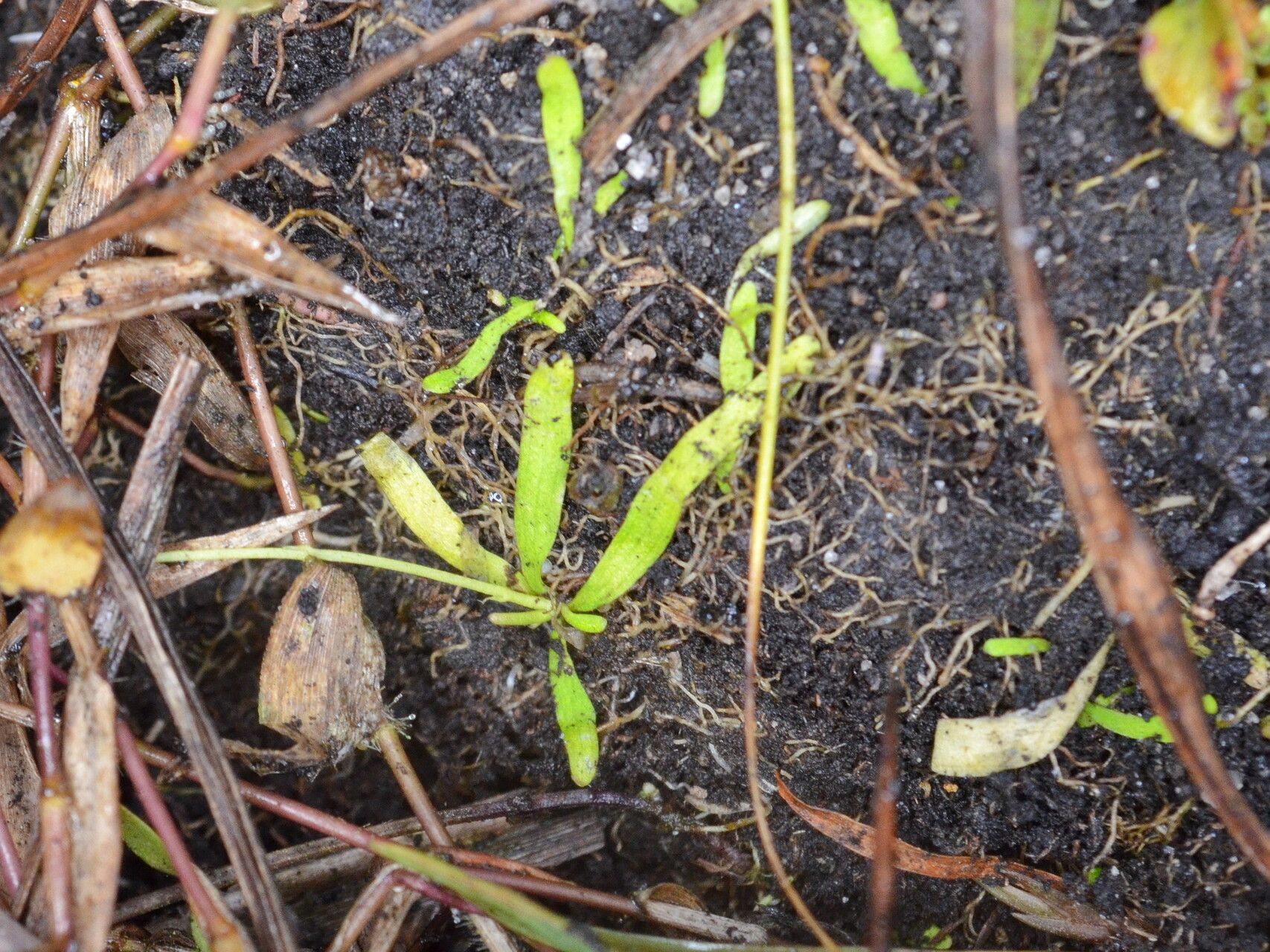
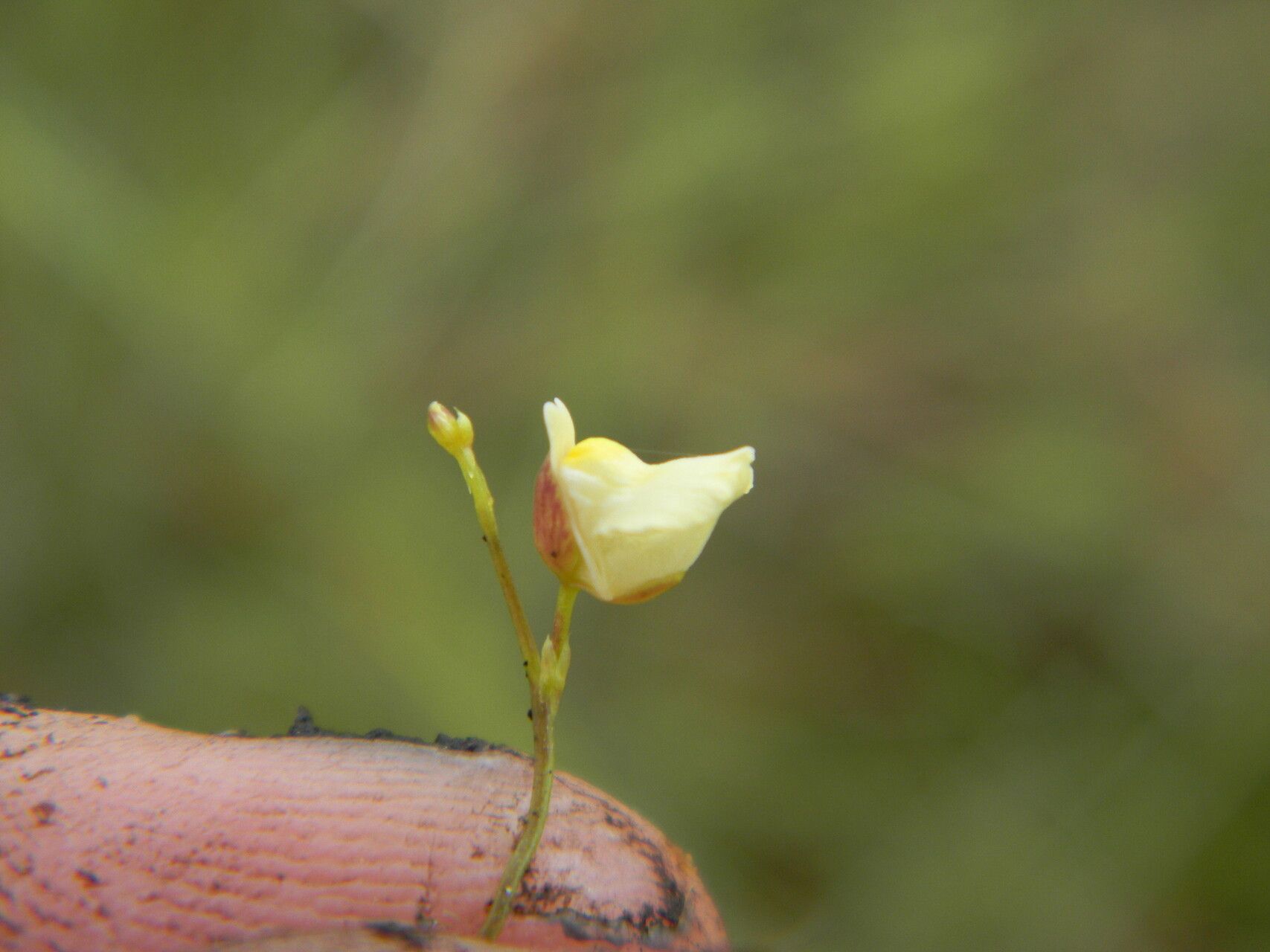
Utricularia caerulea, the blue bladderwort, is a very small to medium-sized carnivorous plant that belongs to the genus Utricularia. U. caerulea spans a wide native range, including areas in tropical Africa, Asia, and Australia. It grows as a terrestrial plant in wet, shallow soils over rock, in wet grasslands, in swamps, or near streams in open communities, mostly at lower altitudes but ascending to as much as 2,100 m (6,890 ft). It was originally described and published by Carl Linnaeus in 1753.
Blue bladderwort has moderate resistance to disease and needs a high-humidity environment. If ventilation is poor, though, it can become prone to rot. Its care is rated difficult because it requires continuous humidification to keep humidity levels high. It is also very vulnerable to rot when kept in poorly ventilated, overly warm conditions. Blue bladderwort is appropriate for growers with more experience who can provide a suitable growing environment.
How to keep Utricularia Caerulea.
Light
The blue bladderwort hails from places abundant in sunlight like bogs in the open and wetlands under the sun. It mostly prefers getting exposed to full sunlight, but it can also endure with a moderate amount of sunlight.
Temperature
Blue bladderwort prefers temperate climates, those that humans typically find pleasant. This plant does best in conditions that are not too warm or chill. Sunburn is a significant risk tied to high temperatures, so during the hotter summer months, providing some shade can help protect against extreme heat. On the other hand, when the temperatures decrease, Blue bladderwort goes into a state of dormancy. To encourage its growth all year round, maintaining warmer temperatures in winter is essential. Exposure to frost can harm the plant, hence it should be prevented.
Pot & Repot
When transplanting Blue bladderwort, pick a container that is 1-2 inches (2.5-5 cm) bigger with sufficient drainage. Opt for a potting mixture that offers good drainage. Replant in either spring or autumn, making sure that the root cluster is a bit below the rim of the plant pot. Thoroughly water the plant after replanting and position it in a warm area with diffuse sunlight.
Botanical profile.
- Plant Type
- Herb
- Life Cycle
- Annual, Perennial
- Genus
- Utricularia
- Family
- Lentibulariaceae
- Hardiness Zone
- 10-12
- Mature Height
- 6 cm to 30 cm
- Mature Spread
- 2 cm to 5 cm
- Leaf Color
- Light Green
- Leaf Type
- Semi-evergreen
- Flower Color
- Blue
- Flower Size
- 0.20 cm to 0.76 cm
- Bloom Time
- Summer, Early fall, Mid fall
- Planting Time
- Spring
- Harvest Time
- Late summer, Fall, Early winter
- Native Area
- Nepal, Sri Lanka, India, Malaysia, Philippines, Bangladesh, Laos, China, Indonesia, Cambodia, Vietnam, Myanmar, Japan, Koppen, Singapore, South Korea, Thailand
Other names.