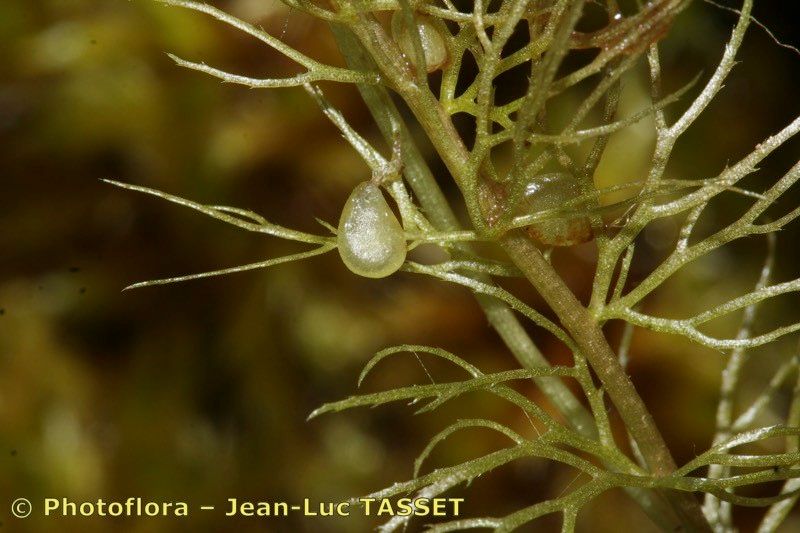
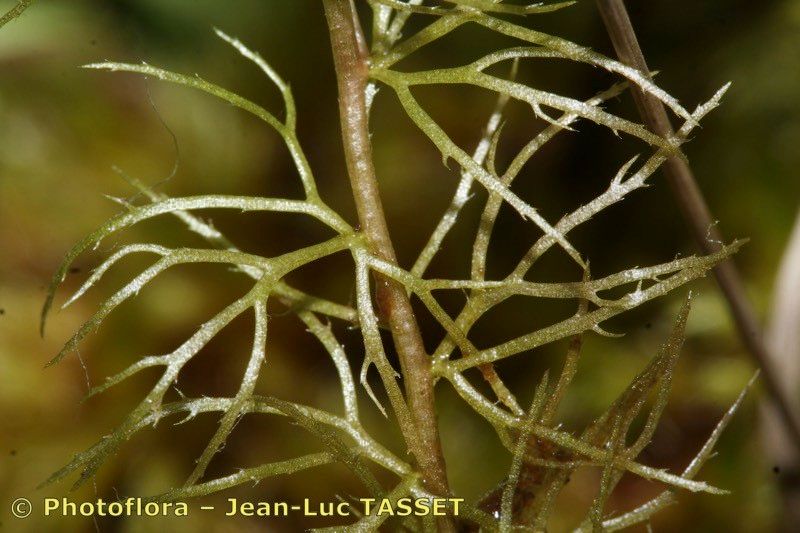
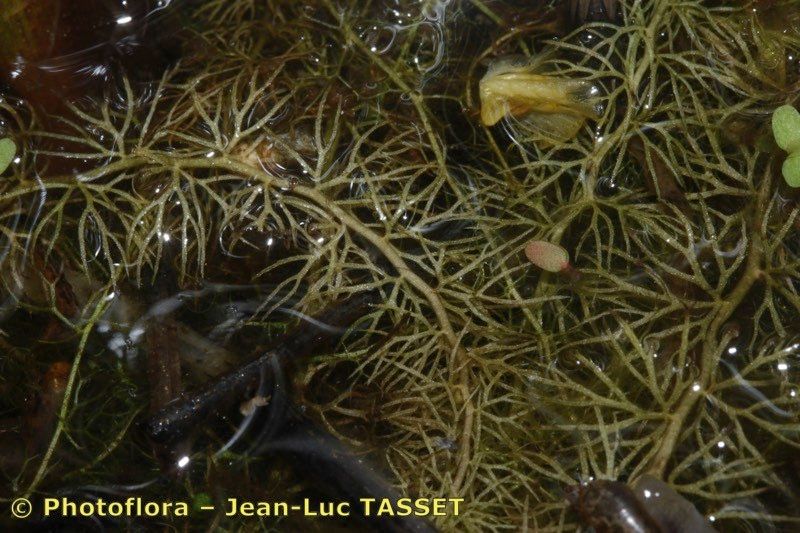
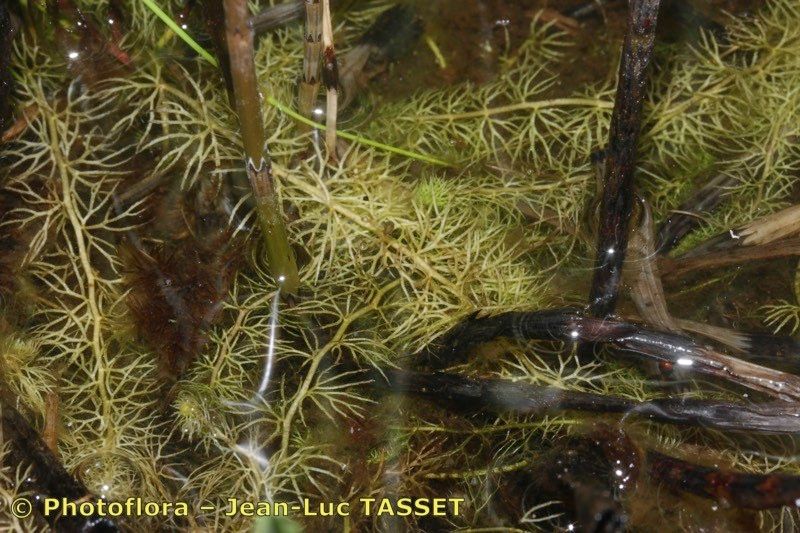
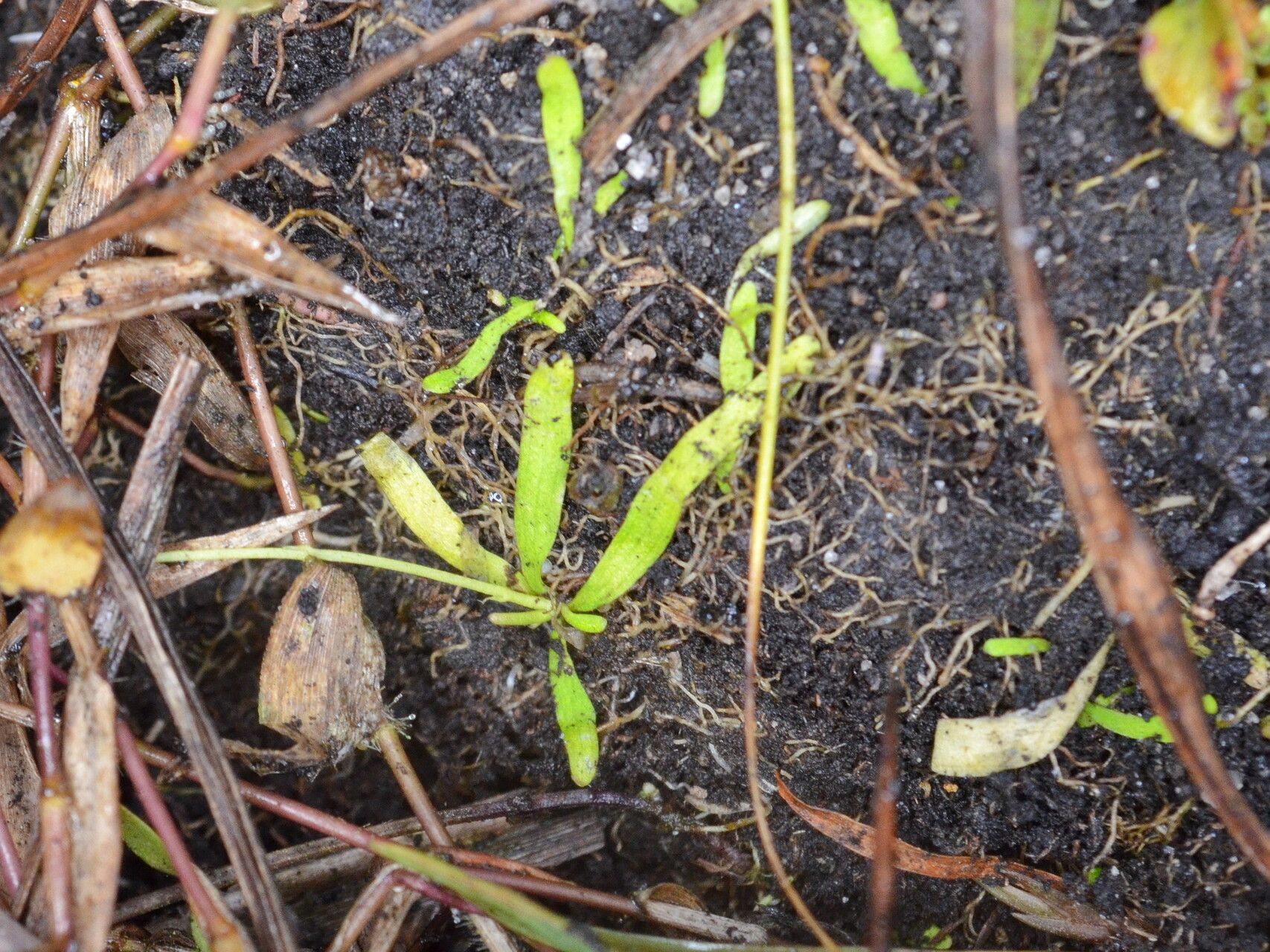
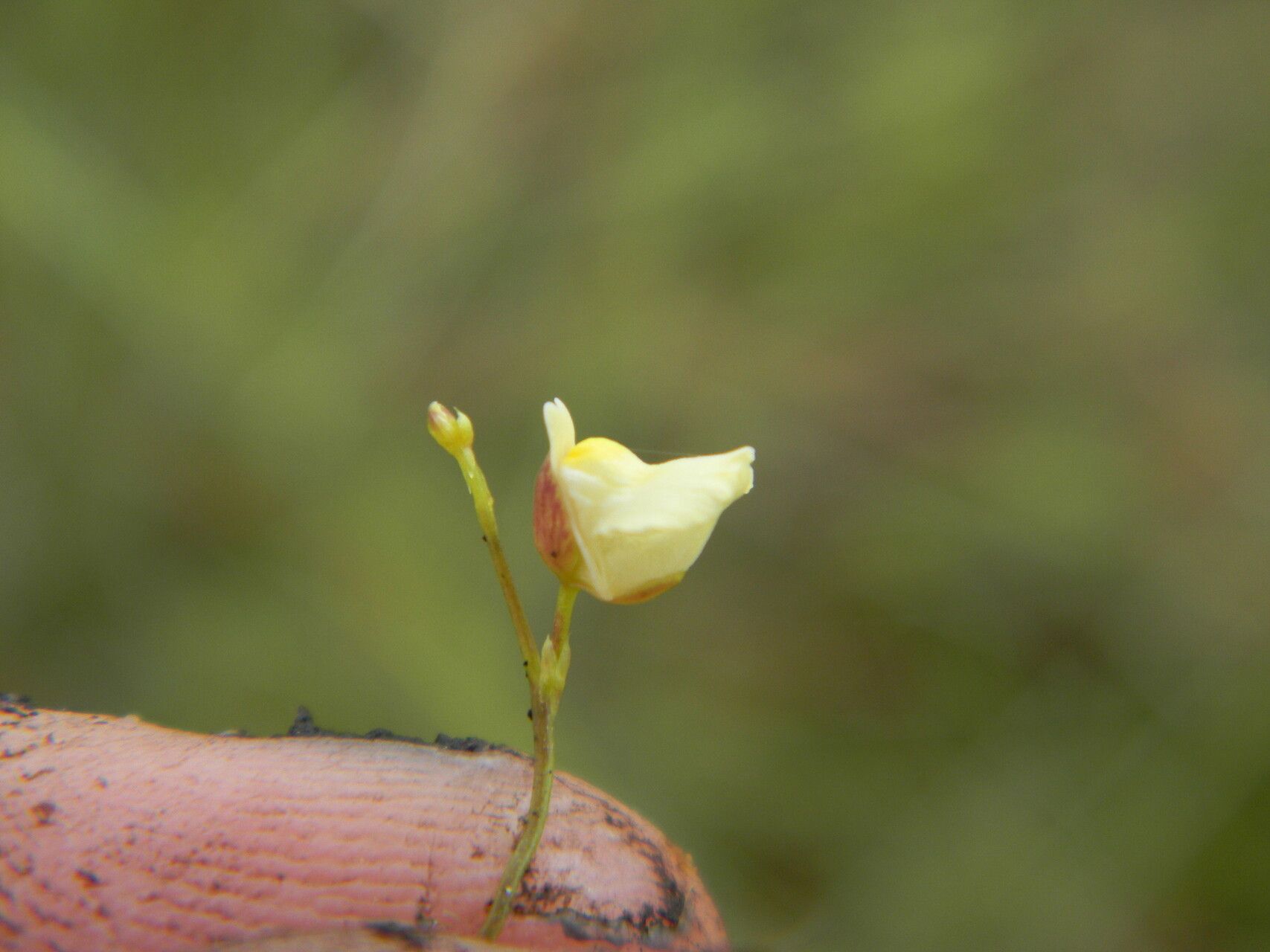
Utricularia stygia, the arctic bladderwort or Northern bladderwort, is an affixed aquatic carnivorous plant that belongs to the genus Utricularia. U. stygia is native to northern Europe and North America. This species was originally published by Göran Thor in 1987 but the description was not in Latin and was therefore nomenclaturally invalid. Thor validly published the species a year later. The cited difference that separates U. stygia from U. ochroleuca is the shape of the tiny quadrifid glands inside the bladders, specifically at which angle the "arms" of these glands diverge from one another. Thor, when working on the Utricularia of Sweden noted that this distinction alone allowed for consistent species identification. Both Barry Rice and Peter Taylor have expressed concerns regarding how this method applies to other populations around the world.
Arctic bladderwort has moderate disease resistance and needs an environment with high humidity. If air circulation is poor, it can be prone to rot. The plant is considered difficult to care for because it needs continual humidification to keep humidity levels high. Arctic bladderwort is also very vulnerable to rot when the surroundings lack good ventilation and are excessively warm. Arctic bladderwort is best suited to growers with more experience who can provide an appropriate growing environment.
How to keep Utricularia Stygia.
Light
The Arctic bladderwort is native to ecosystems that receive intensive sunlight, like open peat bogs and wetlands with ample sunshine. Although it thrives best in direct sunlight, it can also survive in areas with partial sun exposure.
Temperature
Arctic bladderwort favors moderate temperatures, analogous to what is typically comfortable for humans. This plant flourishes best in conditions that are not extremely hot nor exceptionally cold. The chief concern with elevated temperatures is the potential for sunburn, it is therefore recommended to offer some shade in the hot summer months to ward off excessive heat. As temperatures descend, the Arctic bladderwort goes into a state of dormancy. If persistent growth is required, one must ensure warmer conditions throughout the winter season. It's important to evade frosts, as this can inflict harm to the plant.
Pot & Repot
When you're replanting an Arctic bladderwort, pick a container that is 1-2 inches (2.5-5 cm) bigger with sufficient drainage. Utilize a potting mixture that drains well. Choose to do the repotting either in the spring or autumn, making sure the root ball is a bit lower than the edge of the pot. Once the replanting is done, water well and position in a thermal spot that enjoys indirect sunlight.
Botanical profile.
- Plant Type
- Herb
- Life Cycle
- Perennial
- Genus
- Utricularia
- Family
- Lentibulariaceae
- Hardiness Zone
- 6-9
- Mature Height
- 10 cm to 30 cm
- Mature Spread
- 5 cm to 15 cm
- Leaf Color
- Green
- Leaf Type
- Semi-evergreen
- Flower Color
- Yellow
- Flower Size
- 0.76 cm to 1.27 cm
- Bloom Time
- Summer, Early fall
- Planting Time
- Spring, Summer, Autumn
- Harvest Time
- Late summer, Fall
Other names.