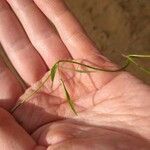
Utricularia subulata
Zigzag Bladderwort · Slender Bladderwort · Subulate Bladderwort · Tiny Bladderwort
Description
Source: leafsnapUtricularia subulata, the zigzag bladderwort, is a small annual, terrestrial carnivorous plant that belongs to the genus Utricularia (family Lentibulariaceae). It is the most widely distributed species in the genus, being almost pantropical.
Care Guide
💧 Water Daily watering
Zigzag bladderwort flourishes in wet, humid environments such as tropical rainforests, where it prefers consistently damp soil. For optimal moisture, it should be watered twice a week. As an aquatic carnivorous plant, zigzag bladderwort captures prey with its specialized traps, making it an excellent choice for water gardens or boggy areas.
☀️ Light Full sun
Zigzag bladderwort does best when it gets full sun throughout the day. While it can tolerate less-than-ideal light, its growth and overall viability may be reduced. To reproduce the conditions of its native habitat, steady, abundant sunlight is most favorable for healthy development.
What are the sunlight requirements for Zigzag bladderwort?
Zigzag bladderwort requires above 6 hours of sunlight daily for optimal growth. While it can tolerate some variation in light, full sun conditions best mimic its native environment, promoting healthy development. Observe your garden's sunlight patterns to choose locations with the right balance of light and shade. Insufficient light can lead to growth issues and diminished plant health.
How does artificial lighting benefit indoor Zigzag bladderwort plants?
Indoor Zigzag bladderwort plants benefit significantly from artificial lighting, especially when natural sunlight is inadequate. Artificial lights provide essential wavelengths of light, promoting healthier and faster growth. LED lights are recommended due to their customization options, matching specific plant needs. For full sun plants, aim for 30-50W per square foot, partial sun plants need 20-30W per square foot, and full shade plants require 10-20W per square foot. The light source should be placed 12-36 inches above the plant, with a duration mimicking natural daylight hours, typically 8-12 hours per day.
What are the symptoms of light deficiency or excess in Zigzag bladderwort?
Zigzag bladderwort shows various symptoms under insufficient or excessive light conditions. Light deficiency leads to small leaves, leggy growth, premature leaf drop, stalled growth, lighter new leaves, and general weakening. On the flip side, too much sun can cause chlorosis, sunscald, leaf curling, wilting, and leaf scorching. These symptoms indicate stress and can affect the plant's health and growth.
What solutions can help manage light conditions for Zigzag bladderwort?
To manage light conditions for Zigzag bladderwort, gradually increasing sun exposure is key. For indoor plants, move them to sunnier spots or use artificial lighting, keeping grow lights on for at least 8 hours daily. Outdoors, shift plants to brighter areas progressively to prevent sunburn. Reducing shade obstructions and transplanting smaller plants to sunlit locations with good drainage can also improve light exposure. Note, parts of the plant damaged by poor light might not recover, but new growth will be healthy with adequate light.
🌡️ Temperature 0–21.1°C
Zigzag bladderwort grows best in its native habitat, where temperatures are usually between 20 and 35 ℃ (68 and 95 °F). Consequently, it favors a climate that stays consistently within this range. To replicate its natural environment, seasonal changes in temperature might be necessary.
What is the ideal temperature range for Zigzag bladderwort?
Zigzag bladderwort (Utricularia subulata) thrives best in its native environment, where temperatures consistently stay within the range of 20 to 35°C (68 to 95°F). To simulate its natural habitat, seasonal temperature adjustments may need to be made, especially to keep it above 20°C during the winter months, ensuring it is protected from freezing when temperatures approach -5°C (25°F) by bringing it indoors or using protective materials.
How does Zigzag bladderwort respond to low temperatures?
Zigzag bladderwort has a moderate tolerance for low temperatures but performs best when temperatures are maintained between 20°C and 35°C. When temperatures fall below 0°C, efforts should be made to keep it above the freezing point. Should the temperature plunge below -40°C, the plant may exhibit darkening leaves, water-soaked necrosis, drooping, and a gradual browning of leaves. To mitigate damage from frost, remove frost-damaged parts and move the plant to a warmer, indoor location or a makeshift greenhouse, ensuring it receives sufficient sunlight, preferably near a south-facing window or through supplemental lighting.
How should Zigzag bladderwort be cared for in high temperatures?
During the hotter summer months, it's important to ensure Zigzag bladderwort doesn't get exposed to temperatures above 35°C. Exposure to temperatures exceeding 38°C can slow down the plant's growth, lighten the color of its leaves, and increase its susceptibility to sunburn. To protect the plant, trim away sunburned and dried parts, relocate it to a partially shaded area to avoid the harsh afternoon sun, and ensure it is watered in the morning and evening to keep the soil moist.
💨 Humidity
🪴 Soil 5-6
🌱 Fertilizer
Unlike most carnivorous plants, these will perform their digestive activities beneath the soil line. They'll feed off fungus gnat larvae and soil mites. Fertilizer is not needed since they get nutrients from the sun and soil borne pest
🪴 Pot & Repot 2-3 years
When repotting Zigzag bladderwort, select a pot 1-2 inches (2.5–5.1 cm) larger with good drainage. Use a well-draining potting mix. Repot in spring or fall, making sure the root ball is slightly lower than the rim of the flower pot. Water thoroughly after repotting and place in a warm spot with indirect sunlight.
✂️ Pruning
The zigzag bladderwort is an aquatic carnivorous plant known for its zigzag stems and yellow flowers. To promote healthy growth and enhance its ability to capture prey, it is best to prune the plant from early to late spring. Maintaining good water quality is also essential for vigorous regrowth. Additionally, regularly trim any long stems and remove dead parts to prevent overcrowding and ensure the plant remains healthy.
🌿 Propagating
🐛 Diseases & pets
☠️ Toxicity
Bladderworts is not known to be toxic, and it's considered safe to have around humans and pets
Characteristics
- Plant Type
- Herb
- Life Cycle
- Perennial, Annual
- Genus
- Utricularia
- Family
- Lentibulariaceae
- Hardiness Zone
- 2
- Mature Height
- 20 cm
- Mature Spread
- 2 cm to 5 cm
- Leaf Color
- Green
- Leaf Type
- Semi-evergreen
- Flower Color
- Yellow
- Flower Size
- 0.51 cm
- Bloom Time
- Mid spring, Late spring, Summer, Early fall
- Planting Time
- Autumn
- Harvest Time
- Late spring, Summer, Early fall, Mid fall
- Native Area
- Burkina Faso, Belize, Angola, Malaysia, Mexico, Namibia, Madagascar, Nigeria, Kenya, Uganda, Tanzania, Zimbabwe, Jamaica, Mali, Guinea-Bissau, Benin, Cuba, Sierra Leone, Equatorial Guinea, Cameroon, Liberia, Mozambique, Venezuela, Burundi, Ghana, Botswana, Congo, Central African Republic, Malawi, Honduras, Peru, South Africa, Zambia, Sudan, Guinea, Panama, Colombia, Bahamas, Bolivia, Togo, Guyana, Senegal, Nicaragua, Côte d'Ivoire, Ecuador, Costa Rica, Thailand, Gabon