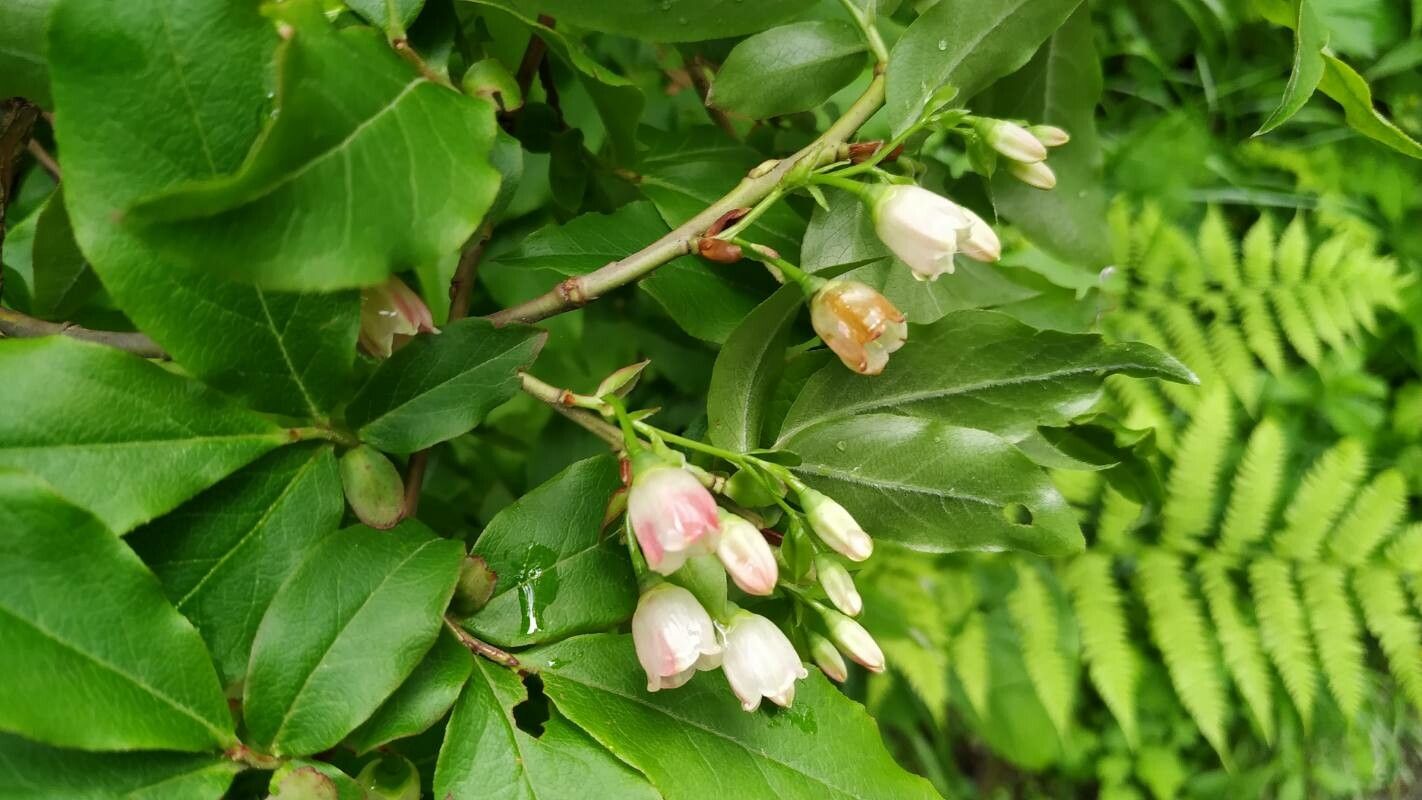
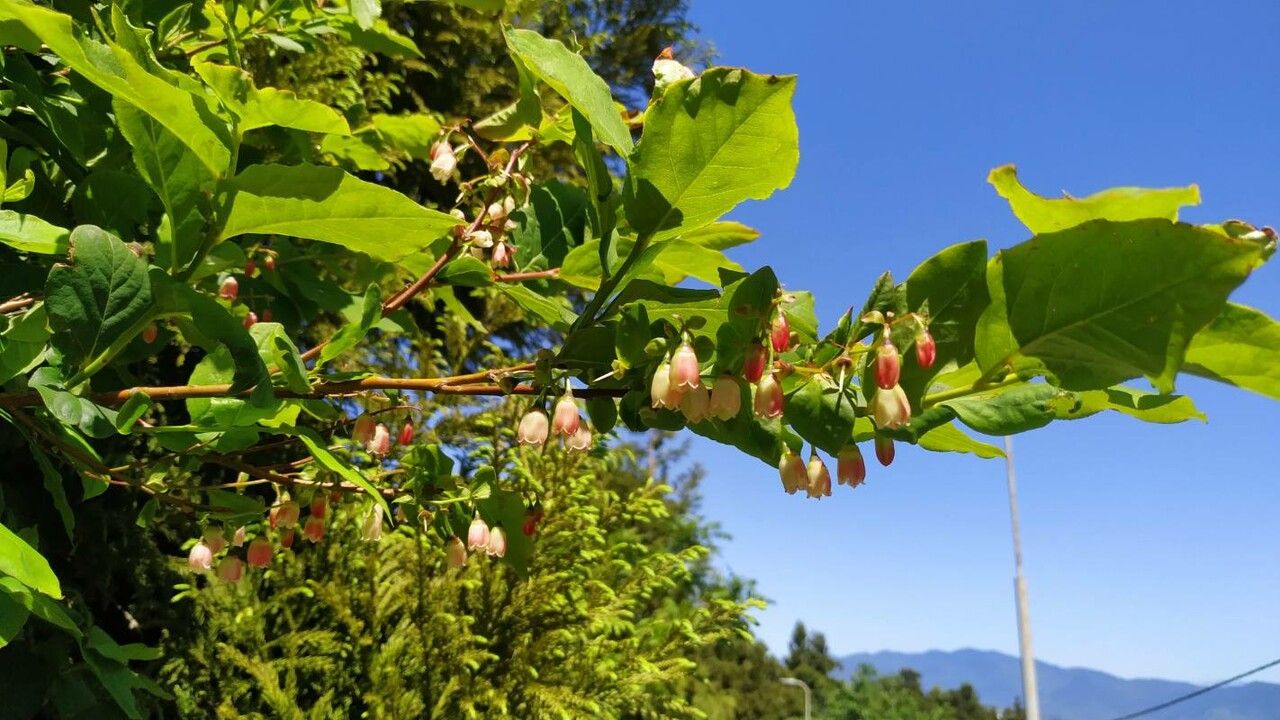
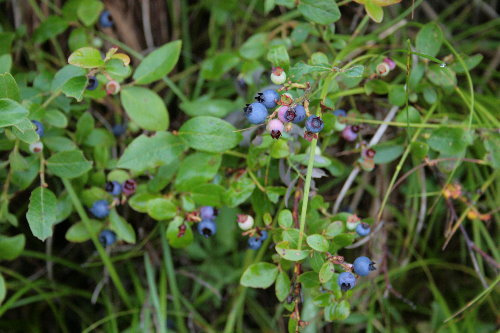
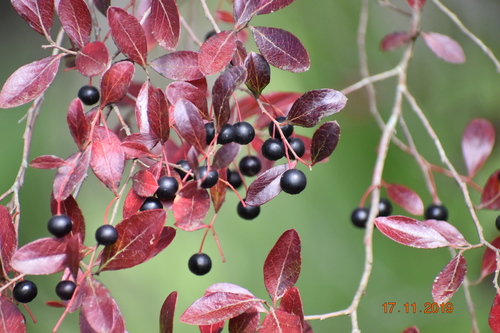
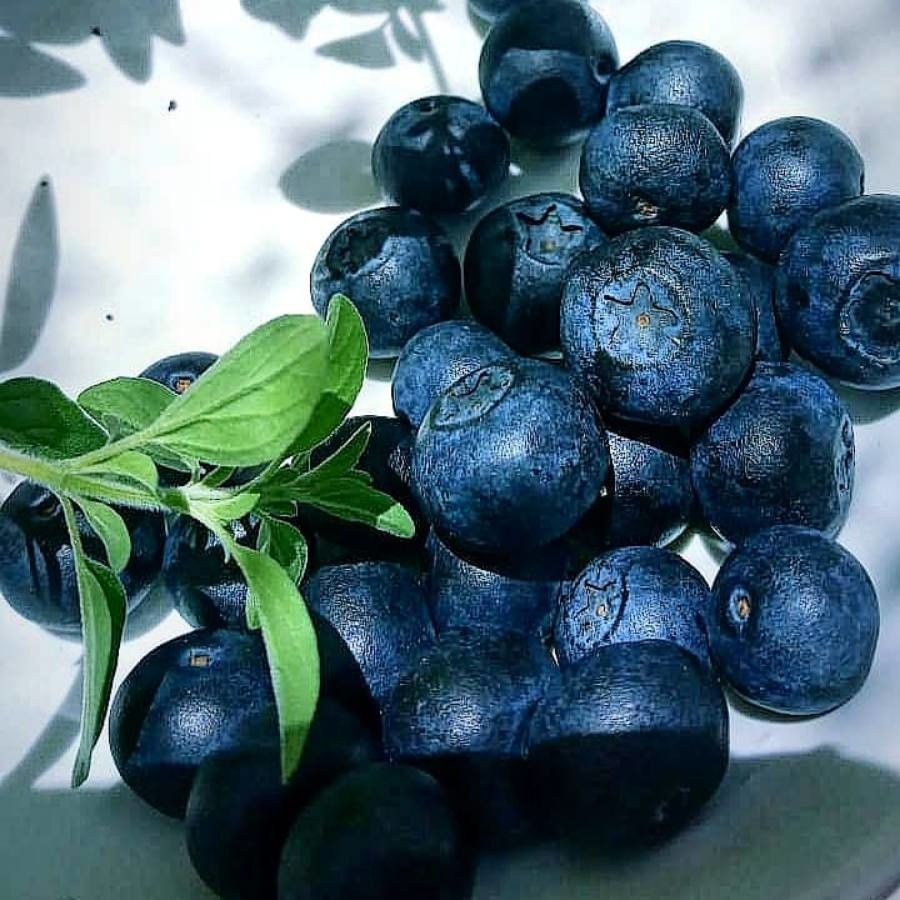
Vaccinium arctostaphylos or Caucasian whortleberry is a species of shrub with edible fruit of blue color. It is native to Western Asia (Iran and Turkey), the Caucasus (Armenia; Azerbaijan; Georgia; Russia), and Southeastern Europe (Bulgaria).
How to keep Vaccinium Arctostaphylos.
Water
The Caucasian whortleberry grows best in well-drained soil with moderate moisture levels and can withstand short periods of drought. Watering it every 1-2 weeks helps maintain its resilience. Native to mountainous regions, this plant is adaptable to different weather conditions and can adjust its water storage based on seasonal rainfall, making it versatile across various climate zones.
Pruning
The Caucasian whortleberry benefits from pruning in early spring. This involves cutting away dead wood and thinning out the branches to improve air circulation. Doing so encourages growth, prevents disease, and allows more light to reach the plant. As a result, the plant produces more flowers and fruit.
Botanical profile.
Other names.
Reader questions.
What are the sunlight requirements for Caucasian whortleberry?
The Caucasian whortleberry, or Vaccinium arctostaphylos, thrives in various sunlight conditions. For those seeking a healthy growth, ensuring that your plant receives 'Full sun,' which is defined as above 6 hours of sunlight, is ideal. However, the plant can also adapt to 'Partial sun' conditions, requiring about 3-6 hours of sunlight. It's essential to observe how sunlight moves through your garden throughout the day. By choosing spots that provide a perfect balance of light and shade, you can ensure the happiness and well-being of your plants.
What is the Caucasian whortleberry?
The Caucasian whortleberry, known scientifically as Vaccinium arctostaphylos, is a plant species. Unfortunately, there is no additional information provided regarding its essentials, content, or symptoms associated with it.