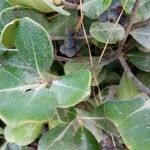
Vaccinium corymbosum
Blueberry · Highbush blueberry · American blueberry · Swamp blueberry · High blueberry
Description
Source: leafsnapVaccinium corymbosum, commonly known as the highbush blueberry, is a deciduous shrub in the Ericaceae family. Native to North America, it thrives in various habitats such as forests, swamps, and meadows. Typically, the plant grows up to 10 feet tall and features dark green leaves that turn red in the fall. The highbush blueberry produces small white or pink flowers in late spring or early summer. These flowers are followed by round, edible berries that ripen from mid-summer through early fall. The berries vary in color from light blue to dark purple and have a sweet flavor. The plant prefers acidic soil with good drainage and full sun exposure, although it can tolerate partial shade. It is commonly cultivated for its fruit, which is enjoyed fresh or used to make jams, jellies, pies, muffins, and other baked goods. Beyond its culinary uses, Vaccinium corymbosum has a long history of medicinal use by Native Americans, particularly for its anti-inflammatory properties. Recent studies suggest it may have additional health benefits, such as reducing oxidative stress levels, which can help prevent chronic diseases like cancer. Overall, Vaccinium corymbosum is an attractive shrub with delicious fruit that offers both culinary enjoyment and potential health benefits, making it a popular choice among gardeners today.
💡 The highbush blueberry, scientifically known as Vaccinium corymbosum, is the type of blueberry most commonly found in grocery stores. It belongs to the same family as cranberries and huckleberries. Native Americans have been cultivating wild species of highbush blueberries for thousands of years, but it was Frederick Vernon Coville who first successfully cultivated this specific species in 1908. In addition to being popular with humans, highbush blueberries are also an important food source for a variety of wildlife.
🌳 Although commonly recognized for their culinary uses, it is less well known that the leaves and fruit of the highbush blueberry can be used to produce natural dyes. Historically, Native Americans employed the juice from the berries as ink and dye. This practice connects with a rising interest in eco-friendly, sustainable natural dyes in the textile industry, making the plant not only a food crop but also a potential source of renewable materials.
🎭 I love only you, steadfastness, and fidelity.
Care Guide
💧 Water Every 7 days
Highbush blueberries grow best in moist, acidic soils and require consistent moisture. Once established, they can tolerate moderate drought. To mimic natural hydration, water the plants every one to two weeks. Applying mulch helps retain soil moisture, which is especially important during the active growing season. This makes outdoor cultivation ideal for highbush blueberries.
When Should I Water My Highbush Blueberry?
Watering your highbush blueberry plays a crucial role in its health, supporting both its growth and fruit production. Look for signs such as the top 1-2 inches of soil being dry, which you can check by inserting your finger into the soil. Wilting or drooping leaves could also indicate a need for water, though this symptom can appear in both underwatering and overwatering scenarios. The optimal times for watering are early in the morning or late in the evening, taking advantage of cooler temperatures to minimize water evaporation. If the plant's growth rate has slowed, this could be another sign of insufficient watering, but be cautious as similar symptoms can arise from other issues such as nutrient deficiencies or diseases. Be aware that inappropriate watering times can lead to root rot or plant stress, so always ensure the soil can absorb the water fully without drowning the plant or leaving it dehydrated.
How Should I Water My Highbush Blueberry?
Highbush blueberry requires careful watering due to its shallow root system. Over-watering can easily cause root rot, while under-watering can lead to wilting. Although bottom-watering isn't suitable, misting the plant during hot, dry conditions can increase humidity. However, excessive misting should be avoided to prevent fungal infections. A watering can with a showerhead spout is ideal for simulating a light rain, ensuring the water is distributed evenly across the soil. Utilizing a moisture meter can help prevent over or under-watering by providing accurate moisture levels. When watering, concentrate on the base of the plant to ensure the roots receive adequate moisture, and avoid wetting the foliage to reduce the risk of fungal diseases.
How Much Water Does Highbush Blueberry Really Need?
The highbush blueberry, a native to North America thriving in moist habitats, necessitates a significant amount of water. Ideally, it requires about 1 inch of water per week during the growing season. This ensures the soil remains consistently moist but not waterlogged. Proper hydration is indicated by healthy, vibrant leaves, firm stems, and plump berries. Conversely, symptoms of under-watering include pale, dull leaves, wilting plants, and dry, compacted soil. Overwatering poses risks like root rot, indicated by yellowing leaves and a foul-smelling soil. To mitigate watering issues, use a well-draining potting mix, water in the morning or early evening, and adjust your watering schedule based on weather conditions and the plant's specific needs, while also avoiding wetting the foliage.
What Kind of Water is Best for Highbush Blueberry?
Highbush blueberry is sensitive to chlorine and fluoride found in some tap water, potentially harming the plant. It's recommended to let chlorinated water sit for 24 hours to allow chlorine to evaporate or to use dechlorinated, filtered, or distilled water. Rainwater is ideal, as it is naturally soft and free of harmful minerals and chemicals. High levels of minerals like calcium carbonate in hard water can be detrimental, and using a water softener might be beneficial. When watering, the temperature of the water should be lukewarm to avoid shocking the plant's roots, particularly during colder months.
How Do Highbush Blueberry's Watering Needs Change with the Seasons?
The watering needs of highbush blueberry vary with seasonal changes. In spring, as the plant exits dormancy, it requires more water to support new growth. Water thoroughly, letting the soil nearly dry out between waterings. Summer marks the peak growth phase, necessitating significantly more water to keep the soil consistently moist. Mulching can help retain moisture. Come autumn, prepare for reduced watering as the plant's growth slows down, letting the soil dry more between sessions. In winter, water sparingly only when the soil is dry as the plant is dormant and at risk of root rot from overwatering. Adjust your schedule based on the specific climate and conditions.
☀️ Light Full sun
Highbush blueberry performs best when it receives ample light for most of the day, though it can still survive in moderately lit settings. Both too much and too little light can inhibit its growth. The sunny conditions of its native habitat are important for its overall development.
What are the sunlight requirements for highbush blueberry?
Highbush blueberry requires full sun, meaning it thrives in conditions where it receives more than 6 hours of sunlight daily. It can also grow in partial sun, with about 3-6 hours of sunlight. It's essential to observe how sunlight moves through your garden to pick spots that ensure a good balance of light and shade for the plants, contributing to their optimal growth.
Why is adequate lighting essential for highbush blueberry, and how can artificial lighting be utilized?
Adequate lighting is crucial for the highbush blueberry because its origin habitat is abundant with sunlight, which plays a significant role in its overall development. The highbush blueberry manages well under lots of light but can survive in moderately lit conditions too. In cases where natural sunlight is insufficient, artificial lighting becomes vital. LED lights, for instance, can mimic the specific wavelengths needed by the plants. For indoor highbush blueberry plants, the recommended artificial light intensity ranges from 10-50W/sq ft, depending on whether the plant needs full sun, partial sun, or shade. The light source should be positioned 12-36 inches above the plant and kept on for 8-12 hours per day to mimic natural daylight hours.
What are some common symptoms of inadequate light exposure in highbush blueberries?
Highbush blueberry plants can show several symptoms if they're not getting enough light, such as smaller leaves, leggy or sparse growth, faster leaf drop, slower or no new growth, and lighter-colored new leaves. Additionally, excessive sunlight can lead to chlorosis, sunscald, leaf curling, wilting, and leaf scorching. These symptoms either reflect the plant's struggle to adapt to low light conditions by conserving resources or the damage caused by too much direct sunlight.
How can I ensure my highbush blueberry plant receives adequate sunlight if it is showing signs of light deficiency?
To manage light deficiency in highbush blueberry plants, gradually increase their exposure to sunlight. For indoor plants, move them to a sunnier location, such as a south-facing window and consider using artificial light for at least 8 hours daily if the plant is large or not easily moveable. For outdoor plants, avoid sudden changes in sunlight exposure to prevent sunburn. Gradually relocating your plant to sunnier spots can help. Additionally, addressing obstructions that block sunlight, like pruning nearby trees or transplanting small plants to sunnier locations during their dormant period, can significantly improve light access.
🌡️ Temperature 5–35°C
Highbush blueberries naturally occur in areas with moderate climates, with growing-season temperatures between 5 ℃ and 25 ℃ (41 ℉ and 77 ℉). To maintain maximum fruit production, they require at least 130 chill hours with temperatures below 7.2 ℃ (45 ℉) during dormancy. The optimal temperature range for growth and fruit maturation is 20 ℃ to 30 ℃ (68 ℉ to 86 ℉). In winter, temperatures should be around 0 ℃ to 10 ℃ (32 ℉ to 50 ℉) to prevent potential damage to the plant.
What are the ideal growing conditions for highbush blueberry (Vaccinium corymbosum)?
Highbush blueberries thrive in environments with moderate temperatures ranging from 5°C to 25°C (41°F to 77°F) during the growing season. They need a minimum of 130 chill hours below 7.2°C (45°F) to maintain maximum fruit production during their dormant period. The optimal growth and fruit maturation temperature is between 20°C and 30°C (68°F to 86°F). During the winter, keeping temperatures around 0°C to 10°C (32°F to 50°F) is necessary to prevent damage. Despite their strong cold resistance, protection from extreme cold (below the survival temperature) can be achieved by wrapping the trunk and branches with non-woven fabric or cloth, and it's advisable to water the plant abundantly before the first freeze in autumn to ensure the soil remains moist into the winter.
How does low temperature affect highbush blueberries, and what are the solutions?
Highbush blueberries are cold-tolerant and perform optimally when temperatures are kept above a certain minimum during winter. If winter temperatures fall below this minimum, though no immediate effects may be noticeable, branches might become brittle and dry by spring, potentially failing to produce new shoots. To mitigate this, pruning any dead branches that have not produced new leaves in spring is recommended to promote healthy growth.
What should be done if highbush blueberries experience high temperatures?
During summer, it's important to keep highbush blueberries below a certain maximum temperature. Exceeding this can cause the leaves to lighten in color, tips to dry and wither, and increase susceptibility to sunburn. In such cases, removing sunburned and dried-up parts, relocating the plant to a shaded area or using shade cloth to protect it from midday and afternoon sun are effective solutions. Additionally, watering in the morning and evening helps keep the soil moist and supports the plant's well-being in high temperatures.
💨 Humidity normal (40-60%)
This plant will thrive in moderate humidity, which is probably the level in your home. However, misting it a few times a week can be very beneficial. Make sure the room has good ventilation.
🪴 Soil 4-5
🌱 Fertilizer
The Highbush blueberry plant needs adequate nutrients to achieve optimal fruit production. Apply fertilizer in early spring to support new growth and bloom development. Regular feeding helps the plant remain healthy, produce more flavorful fruit, and prevents nutrient deficiency issues such as yellowing leaves and poor fruit production.
Why should I use fertilizer on my Highbush blueberry plant?
Plants need nutrients to grow, especially fast-growing ones like Highbush blueberry. Regularly fertilizing these plants provides them with the extra nutrients they need to stay healthy and produce delicious fruit. If plants are not fertilized for a long time, they can experience various problems. Nutrient deficiency can result in issues like yellow leaves, reddish coloration, deformed shapes, withered tips, or even large portions of the plant dying back. Additionally, certain nutrient deficiencies can cause problems with the bark, slow growth, ineffective shoot development, and a lack of fruit production.
When should I fertilize my Highbush blueberry?
The most beneficial time to fertilize Highbush blueberry plants is in early spring, before the buds start to appear. During this period, the plant uses the stored energy from winter to grow new foliage. Since the development of blooms requires a lot of energy, it is recommended to fertilize the plant approximately 2 to 4 weeks before the expected blooming period. This allows enough time for the nutrients to penetrate the soil and be absorbed by the plant, effectively nourishing it. You can continue to fertilize throughout the spring, but it is advisable to avoid fertilizing in the autumn. Fertilizing during this time can result in excessive foliage growth late in the season, making the plant vulnerable to winter damage.
When is it a bad idea to fertilize my Highbush blueberry plant?
To ensure optimal growth of Highbush blueberry, follow these guidelines for fertilization. During the first year of growth, it is best to avoid fertilizing altogether. In subsequent years, only apply fertilizer if necessary and in moderation. Refrain from fertilizing if you pruned 20% or more of the plant in the previous year. When dealing with diseased or damaged plants, do not fertilize as it can do more harm than good. Instead, address the underlying issue before considering fertilization. Avoid fertilizing after the peak of summer to prevent excessive growth before winter. Additionally, refrain from fertilizing during hot and dry periods, as dry soil cannot effectively absorb the fertilizer and the resulting growth may require more water than available. It is advisable to apply fertilizer earlier in the season, when temperatures are cooler. Lastly, be mindful that Highbush blueberry can absorb fertilizers applied to nearby plants or lawns, so take care to avoid inadvertently providing a double-dose of fertilizer.
What kind of fertilizer does my Highbush blueberry plant need?
Using fertilizer that contains a balance of nitrogen, phosphorus, and potassium can bring many benefits to plants. Nitrogen is important for leaf growth and chlorophyll production. Phosphorus helps support the root system and promotes the development of blossoms, fruits, and seeds. Potassium plays a role in photosynthesis and the movement of water and nutrients throughout the plant. When choosing a fertilizer, you can opt for a commercial one that is specifically designed for a particular type of tree. Alternatively, you can use organic sources of nitrogen such as manure, feather meal, or blood meal. To ensure you apply fertilizer accurately, conducting a soil test can give you a better understanding of the condition of your soil. For commercial fertilizers, if your soil lacks sufficient phosphorus and potassium according to the soil test, you can use a balanced granular fertilizer with a ratio of 10-10-10 or similar. In most cases, nitrogen in the soil is continuously depleted with rainfall. If your soil already has enough phosphorus and potassium, it would be more appropriate to use a high-nitrogen fertilizer with a ratio of 6-2-1 or 10-2-2.
How do I add fertilizer to my Highbush blueberry plant?
When using fertilizer for your Highbush blueberry, it's important to follow the specific directions for that type of fertilizer. Over-fertilizing can be harmful, so it's crucial to determine the correct amount to use, especially for fruit trees. One way to estimate is by using the age of the tree (if known) or the diameter of the trunk. Generally, a rule of thumb is to use one-tenth of a pound of fertilizer per year or per inch of trunk, with a maximum of one pound. It's important to note that a Highbush blueberry should not be fertilized for the first few years. Granular and organic fertilizers like blood meal can be sprinkled around the base of the tree, extending to the drip line (below the farthest-reaching branches), but be careful to avoid contact with the trunk. Over time, the granules will break down and be absorbed by the roots. After fertilizing, it's recommended to spread a one-inch layer of compost around the base of the tree and water thoroughly.
🪴 Pot & Repot 2-3 years
When repotting Highbush blueberry, select a pot 1-2 inches (2.5–5.1 cm) larger with ample drainage. Use a well-draining potting mix. Repot in spring or fall, ensuring that the root ball is slightly lower than the rim of the flower pot. Water thoroughly after repotting and place in a warm spot with indirect sunlight.
✂️ Pruning
Highbush blueberries produce nutrient-rich berries and require pruning in late spring. To ensure healthy growth, remove any dead branches and thin out the center of the plant to improve air circulation. Additionally, cut older canes down to the ground to encourage new growth. This practice will help enhance berry yield and improve the plant's health for future seasons.
🌿 Propagating
🐛 Diseases & pets
☠️ Toxicity
Characteristics
- Plant Type
- Shrub
- Life Cycle
- Perennial
- Genus
- Vaccinium
- Family
- Ericaceae
- Hardiness Zone
- 5-9
- Mature Height
- 1.83 m to 3.66 m
- Mature Spread
- 1.83 m to 3.66 m
- Leaf Color
- Green, Red, Yellow, Purple
- Leaf Type
- Deciduous
- Flower Color
- White, Pink
- Flower Size
- 2.54 cm
- Bloom Time
- Mid spring, Late spring
- Planting Time
- Spring, Autumn
- Harvest Time
- Mid summer