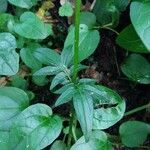
Valeriana dioica
Marsh valerian · Marsh Valeriana · Northern Valerian · Woods Valerian · Lesser valerian
Description
Source: leafsnapValeriana dioica, the marsh valerian, is a species of flowering plant in the genus Valeriana, native to Europe and Anatolia. It is typically found in calcareous fens. It is a dioecious species, with male and female flowers on separate individuals, and it is pollinated by small flies.
Care Guide
💧 Water
Marsh valerian flourishes in moist environments, thriving in damp soil and high humidity. To ensure its optimal growth, it requires weekly watering. Typically grown outdoors, this plant benefits from natural rainfall and is well-suited for rain gardens or areas with poor drainage.
How should I water my Marsh valerian plant?
To properly water the Marsh valerian, it is best to use filtered water at room temperature. Tap water may contain harmful particles that can negatively affect the plant. It is important to use room temperature or slightly warm water because the Marsh valerian is accustomed to a warm environment and cold water can be a shock to its system. Another important point is to avoid overhead watering as it can cause issues with the foliage. Instead, water the plant by applying filtered room temperature water directly to the soil until it is thoroughly soaked. This method promotes beneficial moisture for the roots and aids in their spread throughout the soil for effective nutrient absorption.
What should I do if I give my Marsh valerian too much or too little water?
Overwatering your Marsh valerian is a more common issue and can cause wilting, yellowing, and diseases like root rot, mold, and mildew. Underwatering is less common but can result in brittle, brown leaves. It's important to recognize the signs of overwatering early and reduce watering immediately. Check the soil drainage and replace it if needed. If your Marsh valerian is not getting enough water, increase your watering frequency until the signs improve.
How often do I need to water my Marsh valerian plant?
If your Marsh valerian plant is in a pot, the most precise way to determine if it needs water is by checking the soil. Simply stick your finger into the soil and if the top two to three inches feel dry, it's time to water. For those growing Marsh valerian outdoors, you can use a similar method to test the soil. Again, if the top few inches of soil are dry, it's time to give it some water. Typically, during the spring and early fall, watering once a week is sufficient using this method. However, during extremely hot weather, you may need to increase your watering to two or more times per week. It's worth noting that mature, well-established Marsh valerian plants have a great ability to withstand drought.
How much water does my plant called Marsh valerian need?
When watering your Marsh valerian, be generous with the amount of water you provide. Make sure the top two to three inches of soil are dry before watering thoroughly. The water should completely saturate the soil and drain out through the bottom of the pot. If you don't see any excess water draining, it means you haven't watered enough. However, be careful not to let the water accumulate in the soil, as it can be harmful to the plant. Additionally, if water doesn't drain properly, it may indicate poor soil drainage, which is not good for the plant's health. When the plant is outside, around 1 inch of rain per week should be enough.
How do I water my Marsh valerian as it grows?
The water needs of the Marsh valerian can vary depending on its growth stages. When your Marsh valerian is young or freshly transplanted, it requires more water as it focuses on developing new roots. These roots need extra moisture for optimal growth. As the plant matures over a few seasons, it will require less water. Additionally, during the bloom period, the Marsh valerian may need more water to support flower development.
☀️ Light Partial sun
The marsh valerian does best in locations that receive plenty of sunlight throughout the day. In its native marsh habitat, plentiful light stimulates vigorous growth. If light is insufficient, however, the plant may show stunted development or yellowing leaves.
What are the sunlight requirements for Marsh Valerian?
Marsh valerian thrives when exposed to full sunlight for more than 6 hours daily. This abundant exposure to light is crucial for its robust growth in its native marsh environments. Observing how sunlight meanders through your garden will help you find spots that provide the ideal balance of light and shade, ensuring the plants' well-being. It's vital to consider that insufficient sunlight can lead to stunted growth or yellowing leaves, indicating the plant's unhappiness.
How can artificial lighting support Marsh Valerian's growth indoors?
To supplement natural sunlight, especially in winter or less sunny spaces, artificial lighting is beneficial for indoor plants. Indoor Marsh valerians require adequate lighting for optimal growth. LED lights, capable of providing specific wavelengths, are recommended. For full sun plants, 30-50W/sq ft of artificial light is needed; 20-30W/sq ft for partial sun plants, and 10-20W/sq ft for full shade plants. The artificial light source should be placed 12-36 inches above the plant, mimicking natural sunlight for 8-12 hours daily.
What are the symptoms of insufficient sunlight in Marsh Valerian?
Marsh Valerian shows several symptoms when exposed to inadequate lighting, including smaller new leaves, leggy or sparse growth, faster leaf drop, slower or halted growth, lighter-colored new leaves, chlorosis, sunscald, leaf curling, wilting, and leaf scorching. These symptoms vary from the appearance of pale or yellowing leaves indicating a lack of chlorophyll, to physical damage like leaf scorching and curling due to excessive sunlight.
What solutions can be implemented for Marsh Valerian to ensure optimal sunlight exposure indoors and outdoors?
To ensure Marsh Valerian receives sufficient sunlight, gradually move plants to sunnier locations, aiming for at least 6 hours of direct sunlight daily. For indoor spaces, utilize south-facing windows and consider artificial lighting if relocating the plant is not feasible, ensuring lamps or grow lights are on for a minimum of 8 hours each day. Outdoors, careful acclimatization to brighter spots is essential to prevent sunburn. Note that parts of the plant affected by prior insufficient sunlight may not fully recover, but new growth should be healthy following improved light exposure. Additionally, reducing obstructions, like pruning trees for outdoor plants or moving indoor plants to a brighter location, can significantly enhance sunlight availability.
🌡️ Temperature 10–25°C
Marsh valerian is native to temperate climates and prefers temperatures between 50 and 77°F (10 to 25°C). For optimal growth, keep these temperatures year-round. Consider using heating or cooling methods during harsh seasons.
What is the ideal temperature range for Marsh Valerian?
Marsh Valerian, scientifically known as Valeriana dioica, thrives in temperate climates with an ideal temperature range of 50 to 77°F (10 to 25°C). To ensure optimal growth, it's important to maintain these temperatures throughout the different seasons. This may involve the use of heating or cooling methods to mitigate harsh weather conditions. Despite its preference for moderate temperatures, Marsh Valerian exhibits a high tolerance to cold and does not require special frost protection measures. However, to prepare for winter and early spring, it's suggested to water the plant generously before the first freeze in autumn. This is to keep the soil moist even when it enters a frozen state, preventing drought and water scarcity.
How does Marsh Valerian cope with low temperatures?
Marsh Valerian is remarkably cold-tolerant, capable of withstanding winter temperatures down to -25°C (-13°F) without requiring additional protective measures. Despite this tolerance, if temperatures fall below this threshold, the plant might not show noticeable changes during the winter but could experience reduced or even absent sprouting in spring. The recommended solution for any parts of the plant that fail to sprout with the arrival of spring is to remove them, allowing for new growth and avoiding the retention of potentially unviable sections.
What should I do if Marsh Valerian is exposed to high temperatures?
Marsh Valerian does not fare well under high temperatures, specifically when temps exceed 25°C (77°F). High temperatures halt its growth and increase its susceptibility to rot. To mitigate damage from excessive heat, it's advised to trim away any sunburned or dried-up parts of the plant. Relocating the plant to a shadier spot or employing shade cloths to protect it from the harsh midday and afternoon sun can help manage the temperature stress. Additionally, regular watering in the morning and evening helps keep the soil adequately moist, supporting the plant's well-being during periods of high temperature.
💨 Humidity
🪴 Soil 6-7
🌱 Fertilizer
The ideal time to fertilize a Marsh valerian is in early spring, as it is coming out of dormancy and beginning active growth. Fertilizing supplies essential nutrients for healthy development. Although Marsh valerian has relatively low fertilizer requirements, applying fertilizer once a year can improve its survival and encourage healthier, longer-lasting flowers.
Why should I add fertilizer to my Marsh valerian plant?
The Marsh valerian relies heavily on its leaves for structure, so fertilizing it properly is key to maintaining their appearance and function. By fertilizing correctly, you can ensure that the leaves of your Marsh valerian maintain a consistent color and maintain a healthy texture. Additionally, fertilization has benefits below the soil's surface, aiding in the development of new roots and the maintenance of existing ones. This not only promotes current plant health but also enhances the plant's ability to absorb nutrients from the soil in the future.
When should I fertilize my Marsh valerian?
If you grow your Marsh valerian outdoors, you will notice new growth appearing in early spring. This is the signal to start fertilizing for the year. Usually, one application of fertilizer is sufficient for a Marsh valerian to do well in the spring. However, if you want to promote maximum growth, you can fertilize multiple times during the spring and early summer. In this case, you can feed your Marsh valerian approximately once every month to a month and a half.
When is the best time to not fertilize my Marsh valerian?
During the late fall and winter, your Marsh valerian will enter a dormant phase, ceasing new growth. It is important to refrain from fertilizing during this period. For the spring and summer seasons, if you do choose to fertilize, it is recommended to gradually reduce the fertilization rate as summer approaches, as the growth rate of your Marsh valerian will also slow down. In general, it is not advisable to fertilize your Marsh valerian during exceptionally hot weather or when the soil is excessively dry. Fertilizing in either of these conditions can stress your Marsh valerian and lead to premature death.
What kind of fertilizer does my Marsh valerian plant need?
Choosing the best fertilizer for a Marsh valerian is actually quite simple. These plants thrive on a general-purpose garden fertilizer with equal parts nitrogen, phosphorus, and potassium. A fertilizer with a 10-10-10 ratio or something similar will work well. It's best to avoid fertilizers with high nitrogen levels if you're not sure. The majority of recommended fertilizers for Marsh valerian come in the form of granules, which are slow-release and easy to apply to the soil. You can also consider using organic soil amendments like compost to feed your Marsh valerian.
How can I help my Marsh valerian grow better?
To ensure the best timing, wait until your Marsh valerian starts to sprout its first leaves in early spring. Once you see this, apply a slow-release fertilizer with balanced nutrients to the soil surrounding the base of the plant. If you want, you can repeat this process later in the season. Remember to focus on fertilizing the soil at the base of the plant rather than the plant itself. Sometimes, you may need to move some leaves to access the soil around the roots. It's also beneficial to water your Marsh valerian before and after fertilizing it.
🪴 Pot & Repot
✂️ Pruning
To care for marsh valerian and keep it thriving, prune it in early to late spring. Focus on trimming away any dead or damaged growth while avoiding cutting into the old wood. This will help enhance blooming and maintain the plant’s shape. By following these guidelines, you can ensure that your marsh valerian remains robust and attractive throughout the growing season.
🌿 Propagating
🐛 Diseases & pets
☠️ Toxicity
Characteristics
- Plant Type
- Herb
- Life Cycle
- Perennial
- Genus
- Valeriana
- Family
- Caprifoliaceae
- Hardiness Zone
- 6
- Mature Height
- 15 cm to 40 cm
- Mature Spread
- 20 cm to 30 cm
- Leaf Color
- Green, Dark Green
- Leaf Type
- Deciduous
- Flower Color
- Pink, White
- Flower Size
- 0.10 cm to 0.20 cm
- Bloom Time
- Mid spring, Late spring
- Planting Time
- Spring, Summer, Autumn
- Harvest Time
- Early summer, Mid summer
- Native Area
- Turkey, Sweden, India, Austria, Czech Republic, Slovakia, Bulgaria, Pakistan, Poland, Croatia, Slovenia, Belarus, Ukraine, Serbia, Russia, Norway, Hungary, Germany, Italy, Spain, Switzerland, Denmark, Netherlands, Estonia, France, United Kingdom, Romania, Belgium, Portugal