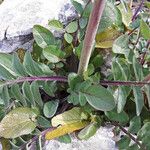
Images by part: leaf (1) · flower (5) · fruit (0) · bark (0) · habit (0) · other (0)
Valeriana dioscoridis
Dioscorides Valerian
Tier 2 Difficulty: medium Water: low Light: partial_sun
Temperature
5–35 °C
Soil pH
6–8
Hardiness
Zone 5–9
Click count
22
Observations
12
Care Guide
💧 Water
☀️ Light Partial sun
Valeriana dioscoridis occurs naturally in habitats like forest understories and rocky sites, where it is exposed to natural shade. It prefers partial sun but can tolerate full sun or full shade, showing its versatility and hardiness.
Ideal: Partial sun
🌡️ Temperature 5–35°C
Ideal temperature: 5–35°C
💨 Humidity
Humidity:
🪴 Soil 6-8
Soil pH: 6-8
🌱 Fertilizer
Applying fertilizer once in spring is generally adequate for Valeriana dioscoridis, although repeated feedings can maximize growth. Provide nutrients roughly every month to six weeks. Fertilization improves the leaves' appearance and function, helping maintain even color and a healthy texture. It also encourages root development and nutrient uptake, supporting the plant's long-term health.
🪴 Pot & Repot
✂️ Pruning
🌿 Propagating
🐛 Diseases & pets
☠️ Toxicity
Characteristics
- Plant Type
- Herb
- Life Cycle
- Perennial
- Genus
- Valeriana
- Family
- Caprifoliaceae
- Hardiness Zone
- 5-9
- Mature Height
- 30 cm to 61 cm
- Mature Spread
- 20 cm to 30 cm
- Leaf Color
- Green
- Leaf Type
- Deciduous
- Flower Size
- 0.25 cm to 0.51 cm
- Bloom Time
- Early spring, Mid spring
- Planting Time
- Autumn
- Harvest Time
- Late spring, Early summer
- Native Area
- Turkey, Syria, Bulgaria, Montenegro, Cyprus, Albania, Greece, Lebanon
Tags (6)
Common Names (1)
en Dioscorides Valerian