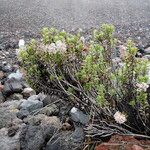
Valeriana microphylla
Care Guide
💧 Water
☀️ Light Partial sun
The marsh valerian does best in locations that receive plenty of sunlight throughout the day. In its native marsh habitat, plentiful light stimulates vigorous growth. If light is insufficient, however, the plant may show stunted development or yellowing leaves.
🌡️ Temperature 10–25°C
Marsh valerian is native to temperate climates and prefers temperatures between 50 and 77°F (10 to 25°C). For optimal growth, keep these temperatures year-round. Consider using heating or cooling methods during harsh seasons.
💨 Humidity
🪴 Soil 6-7
🌱 Fertilizer
The ideal time to fertilize a Marsh valerian is in early spring, as it is coming out of dormancy and beginning active growth. Fertilizing supplies essential nutrients for healthy development. Although Marsh valerian has relatively low fertilizer requirements, applying fertilizer once a year can improve its survival and encourage healthier, longer-lasting flowers.
🪴 Pot & Repot
✂️ Pruning
🌿 Propagating
🐛 Diseases & pets
☠️ Toxicity
Characteristics
- Plant Type
- Herb
- Life Cycle
- Perennial
- Genus
- Valeriana
- Family
- Caprifoliaceae
- Hardiness Zone
- 6
- Mature Height
- 15 cm to 40 cm
- Mature Spread
- 20 cm to 30 cm
- Leaf Color
- Green, Dark Green
- Leaf Type
- Deciduous
- Flower Color
- Pink, White
- Flower Size
- 0.10 cm to 0.20 cm
- Bloom Time
- Mid spring, Late spring
- Planting Time
- Spring, Summer, Autumn
- Harvest Time
- Early summer, Mid summer
- Native Area
- Turkey, Sweden, India, Austria, Czech Republic, Slovakia, Bulgaria, Pakistan, Poland, Croatia, Slovenia, Belarus, Ukraine, Serbia, Russia, Norway, Hungary, Germany, Italy, Spain, Switzerland, Denmark, Netherlands, Estonia, France, United Kingdom, Romania, Belgium, Portugal