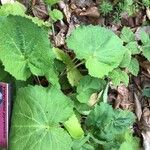
Valeriana pyrenaica
Pyrenean Valerian · Pyranean Valerian · Heart-leaved Valerian
Description
Source: wikipedia (CC BY-SA)Valeriana pyrenaica, the capon's tail grass or Pyrenean valerian, is a species of flowering plant in the family Caprifoliaceae. It is native to Spain and France, and is a garden escapee in Ireland and Great Britain. A perennial herbaceous plant reaching 1.2 m (4 ft), it grows in the Pyrenees and Cantabrian Mountains, typically near water.
Care Guide
💧 Water
Pyrenean valerian thrives in moderate climates with steady moisture. Although it has some drought tolerance, it benefits from weekly watering. As an herbaceous perennial, its growth is closely tied to water availability, and it reaches its peak during periods of abundant rainfall.
☀️ Light Partial sun
Pyrenean valerian is native to habitats such as forest understories or rocky areas, where it receives natural shade. It prefers partial sun but can tolerate full sun or full shade, illustrating its versatile and hardy nature.
What are the sun requirements for Pyrenean valerian (Valeriana pyrenaica)?
Pyrenean valerian (Valeriana pyrenaica) thrives in conditions where it can receive full sun, defined as above 6 hours of sunlight daily. It's important to observe the movement of sunlight through your garden, selecting locations that ensure a harmonious balance of light and shade. This careful placement aids in ensuring the plant's health and happiness.
🌡️ Temperature 5–35°C
💨 Humidity
🪴 Soil 6-7
🌱 Fertilizer
The best time to fertilize a Pyrenean valerian is in early spring, as it is coming out of dormancy and starting active growth. Fertilization supplies essential nutrients needed for healthy development. Although Pyrenean valerian requires relatively little fertilizer, giving it fertilizer annually can improve its survival and encourage better, longer-lasting flowers.
🪴 Pot & Repot
✂️ Pruning
The Pyrenean valerian is a perennial herb known for its fragrant flowers and lobed leaves. To encourage healthy growth, prune dead foliage in early spring and remove spent stems in late spring. Avoid pruning during the summer to minimize stress on the plant. Regular maintenance is key to maintaining a healthy and vibrant plant throughout the growing season.
🌿 Propagating
🐛 Diseases & pets
☠️ Toxicity
Characteristics
- Plant Type
- Herb
- Life Cycle
- Perennial
- Genus
- Valeriana
- Family
- Caprifoliaceae
- Hardiness Zone
- 5-9
- Mature Height
- 1.22 m
- Mature Spread
- 76 cm
- Leaf Color
- Green
- Leaf Type
- Deciduous
- Flower Color
- Purple
- Flower Size
- 0.51 cm to 0.51 cm
- Bloom Time
- Late spring, Early summer, Mid summer
- Planting Time
- Spring, Summer
- Harvest Time
- Mid summer, Late summer, Early fall
- Native Area
- Spain, France