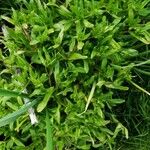
Valerianella locusta
Lamb’s lettuce · European cornsalad · Cornsalad · Common cornsalad · Lamb's-lettuce
Description
Source: leafsnapValerianella locusta, commonly known as corn salad or lamb's lettuce, is a small leafy green plant belonging to the Valerianaceae family. Native to Europe and Asia, it has been introduced and naturalized in many parts of the world. Corn salad grows in rosettes of small, spoon-shaped leaves that are dark green in color and have a mild, nutty flavor. The plant produces tiny white or pale blue flowers that bloom from late winter to early spring. As a cool-season crop, corn salad thrives in moist soil with good drainage. It prefers partial shade but can also grow well under full sun exposure if provided with adequate moisture. For centuries, the plant has been used as a medicinal herb for its calming properties and as an appetite stimulant. It is rich in vitamins A, C, and K, as well as iron, calcium, and potassium, making it an excellent addition to salads or cooked dishes. Overall, Valerianella locusta (corn salad) is an easy-to-grow leafy green vegetable with many health benefits, making it popular among gardeners worldwide.
🎭 Endearing, attractive, lightweight.
Care Guide
💧 Water Every 7 days
Corn salad flourishes in moist, temperate climates and requires consistent soil moisture for ideal growth. Although it can withstand drought conditions, providing weekly watering helps maintain its vibrant foliage. Typically grown outdoors, corn salad benefits from the natural rainfall during its growing season.
How should I water my Corn salad?
To water Corn salad, you have several options. You can use a garden hose with a spray nozzle or a watering can, or any common watering tool would work. Corn salad is not too picky about the kind of water it receives. It can thrive on rainwater, tap water, or filtered water. However, it's best to avoid watering this plant from overhead because it can damage the leaves and flowers, and even lead to disease. A drip irrigation system is often the preferred method for watering Corn salad as it delivers water evenly and directly to the soil. If you're growing Corn salad in a container, you can use a similar watering approach but with different tools. You can use a cup, watering can, or tap to water the plant directly at the soil.
What should I do if I give my Corn salad too much or too little water?
To remedy underwatering of Corn salad, you simply need to water it more regularly. Overwatering, on the other hand, can be more detrimental, leading to disease and death. To prevent overwatering, choose a growing location with ample sunlight and good drainage. If your potted Corn salad is overwatered, consider repotting it in a container with better drainage and loose soil.
How often do I need to water my Corn salad?
Corn salad requires regular watering throughout its growing season. In the spring, watering once a week is sufficient. However, as the weather gets warmer, you may need to water it two to three times a week. Be careful not to exceed this watering rate as it can harm the plant. It's important to keep the soil consistently moist but not wet, regardless of the watering frequency. If you are growing Corn salad in a pot, you will need to increase the watering frequency compared to plants in the ground. Potted plants tend to dry out faster, so watering a few times per week is usually necessary, whereas once per week is sufficient for plants in the ground.
How much water does my Corn salad require?
There are a few different ways to determine how much water your Corn salad needs. One method is to feel the soil for moisture and water until the first six inches are moist. Another option is to use a set measurement, such as giving the plant about two gallons of water per week, taking into consideration the temperature and how quickly the soil dries. However, be cautious not to overwater if your plant needs less. When growing Corn salad in a container, you should water enough to moisten all dry soil layers, which can be tested by sticking your finger in the soil or observing excess water drainage.
How can I know if I am giving enough water to my Corn salad?
Avoiding overwatering your Corn salad is somewhat challenging due to conflicting needs. While the plants have deep roots that require weekly soil moistening, they are highly susceptible to root rot and may develop browning. Underwatering is less likely to be a problem as Corn salad can survive without supplemental watering for a while. However, if you wait too long to water the plant, it will likely wilt and exhibit dry leaves.
☀️ Light Full sun
Corn salad grows best with plenty of sunlight, though it can tolerate moderate sun. Its native habitat is a place that consistently receives a great deal of sunshine, which aids its healthy development. Excessive sun can make it vulnerable to damage, while insufficient light may stunt its growth.
What are the sunlight requirements for growing corn salad?
Corn salad requires above 6 hours of sunlight daily for full sun exposure but can also thrive in conditions of partial sun, defined as about 3-6 hours of sunlight. It's important to watch how sunlight moves through your garden and choose spots that offer a balance of light and shade, ensuring your plants' optimal growth and happiness.
What are the essential growth conditions for corn salad?
Corn salad thrives best with abundant sun exposure, aligning with its native habitat conditions of substantial sunlight, which supports its beneficial growth. While it can tolerate moderate sun levels, overexposure may cause damage, and insufficient light can stunt growth. For indoor plants lacking natural sunlight, especially during winter or in less sunny locations, artificial lighting becomes essential. LED lights are a popular choice, providing specific wavelengths needed for growth. Full sun plants require 30-50W/sq ft, partial sun 20-30W/sq ft, and full shade plants 10-20W/sq ft of artificial light. The light source should be placed 12-36 inches above the plant, mimicking natural sunlight duration, which most plants need 8-12 hours of per day.
What symptoms indicate insufficient or excessive sunlight in corn salad?
Symptoms of insufficient sunlight in corn salad include smaller new leaves, leggy or sparse growth, early leaf drop, slower or halted growth, lighter-colored new leaves, and symptoms of excessive sunlight like chlorosis, sunscald, leaf curling, wilting, and leaf scorching. These symptoms highlight the plant's struggle under inadequate light conditions or its distress due to overexposure, signaling the need for adjustments in its growing environment.
How can I address light-related growth issues in corn salad?
To address indoor growth issues, gradually acclimate your plant to receive at least 6 hours of direct sunlight daily by moving it closer to a south-facing window each week. Open curtains during the day for maximum sunlight and consider artificial lighting if moving the plant isn't feasible, keeping it on for at least 8 hours daily. For outdoor plants, also acclimate them to sunnier spots gradually to prevent sunburn. Minimize light obstructions by pruning trees if they block sunlight and consider transplanting smaller plants during their dormant period to sunnier locations with good drainage. Note that parts of the plant damaged by insufficient light may not recover, but new growth should be healthy after improving light exposure.
🌡️ Temperature 5–32.2°C
Corn salad originates from temperate regions and needs temperatures of 68 to 95 °F (20 to 35 ℃) to thrive. Prolonged exposure to temperatures below or above that range can lead to stunted growth. Seasonal adjustments may be necessary to keep temperatures within this range.
What is the native climate for Corn Salad?
Corn salad is native to temperate zones and thrives in temperatures between 68 to 95 °F (20 to 35 °C). It's important for the plant to be in this temperature range for optimal growth, as prolonged exposure to temperatures outside this range can stunt its growth. Despite its strong cold resistance, making seasonal adjustments might be necessary to maintain these ideal temperature conditions.
How does Corn Salad handle cold weather and frost?
Corn salad has significant cold resistance and usually doesn't require special frost protection measures during winter. However, in environments where winter temperatures are expected to fall below -30°C, providing some form of cold protection is beneficial. This can be accomplished by covering the plant with soil or straw. Additionally, watering the plant abundantly before the first freeze in autumn ensures the soil remains moist when it enters a frozen state, which helps prevent drought and water scarcity for the plant during the colder months.
What should be done if the temperature drops below -30°C?
If the temperature falls below -30°C, corn salad may not show noticeable changes during the winter but could experience decreased sprouting or fail to sprout in spring. In such cases, it's recommended to remove any parts of the plant that have failed to sprout once spring arrives.
How does Corn Salad react to high temperatures?
Corn salad should ideally be kept below 35°C during summer months. If temperatures exceed 38°C, the plant's leaves may become lighter, curl, become susceptible to sunburn, and in severe cases, the entire plant may wilt and dry out. To mitigate these issues, trim away any sunburned and dried-up parts of the plant. Also, moving the plant to a shaded location or using a shade cloth can protect it from the harsh midday and afternoon sun. Watering the plant in the morning and evening helps keep the soil moist and supports the plant's health during hotter periods.
What is the botanical name of Corn Salad?
The botanical name of Corn Salad is Valerianella locusta. This plant is known for its adaptability to a range of temperate climates, but it requires specific care when it comes to temperature management to ensure healthy growth and development.
💨 Humidity normal (40-60%)
This plant will thrive in moderate humidity, which is probably the level in your home. However, misting it a few times a week can be very beneficial. Make sure the room has good ventilation.
🪴 Soil 6-7
🌱 Fertilizer
Corn salad does well with regular, light applications of fertilizer to encourage healthy leaf development. Fertilize corn salad roughly once a month during the summer. Nitrogen is important for foliage, and adding nitrogen-rich sources helps corn salad thrive.
🪴 Pot & Repot
When repotting Corn salad, choose a pot that’s 1–2 inches (2.5–5.1 cm) larger in diameter and make sure it drains well. Use a well-draining potting mix and you can add perlite for extra drainage. Repot in spring or early summer, water thoroughly afterward, and keep it in a shady spot at first.
✂️ Pruning
No necessary pruning is needed for Mache plants. These plants are typically grown in their natural form with little to no upkeep.
🌿 Propagating
🐛 Diseases & pets
☠️ Toxicity
Characteristics
- Plant Type
- Herb
- Life Cycle
- Annual, Biennial
- Genus
- Valerianella
- Family
- Caprifoliaceae
- Hardiness Zone
- 4-8
- Mature Height
- 10 cm to 40 cm
- Mature Spread
- 15 cm
- Leaf Color
- Green
- Leaf Type
- Deciduous
- Flower Color
- White
- Flower Size
- 0.10 cm to 0.20 cm
- Bloom Time
- Mid spring, Late spring, Early summer
- Planting Time
- Spring, Autumn
- Harvest Time
- Early summer, Mid summer
- Native Area
- Europe, North Africa, Western Asia