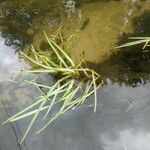
Vallisneria spiralis
گندمی، · آب فنر، · Coiled vallisneria · Eelgrass · Eelweed
Description
Source: leafsnapVallisneria spiralis, also known as straight vallisneria, tape grass, or eel grass is a common aquarium plant that prefers good light and a nutrient rich substrate. In the wild, it can be found in tropical and sub-tropical regions worldwide.
Care Guide
💧 Water
☀️ Light Full sun
Tape grass performs best with steady light exposure. Its native surroundings support this need, being noted for plentiful brightness. During its various growth stages, unblocked access to sunlight is preferred to ensure healthy development. However, excessive sun can harm the plant, while too little light restricts its growth.
What are the sunlight requirements for Tape Grass (Vallisneria spiralis)?
Tape Grass requires full sun, which means it needs above 6 hours of sunlight daily to thrive optimally. It's crucial to observe the movement of sunlight through your garden to find spots that offer a perfect balance of light and shade. This ensures the plants receive enough light for their happiness and healthy growth. In their natural habitat, Tape Grass is exposed to ample luminosity, which is essential for its development at different growth stages. However, both too much and too little sun can be detrimental, affecting the plant's health and growth.
How can artificial lighting be used for indoor Tape Grass plants?
For indoor Tape Grass plants, adequate lighting is vital, especially when natural sunlight is insufficient, such as in winter or less sunny spaces. Artificial lighting, like LED lights, is recommended because it can provide specific wavelengths needed by plants. The requirements vary depending on the plant's needs: full sun plants require 30-50W per square foot, partial sun plants 20-30W, and full shade plants 10-20W. The light source should be placed 12-36 inches above the plant to mimic natural sunlight, and most plants will need 8-12 hours of light per day to mimic the natural daylight hours.
What are the symptoms of insufficient light in Tape Grass?
When Tape Grass does not receive enough light, several symptoms may appear, often subtly. These include smaller new leaves, leggy or sparse growth, faster leaf drop, slower or no new growth, and leaves that are lighter in color or show chlorosis (yellowing due to a breakdown in chlorophyll). Excessive light can also harm, leading to symptoms like sunscald (damage from intense light), leaf curling (to reduce surface area exposed to light), wilting (due to water loss from transpiration), and leaf scorching (brown, dry patches on leaves). These symptoms indicate the plant's struggle with its current light conditions.
How can I alleviate light-related issues for my Tape Grass, both indoors and outdoors?
To address light-related issues, gradually expose your Tape Grass to more sunlight to reach the optimum level of at least 6 hours of direct sunlight daily. For indoor plants, moving them to a south-facing window or using artificial plant grow lights for at least 8 hours a day can help. Outdoors, it's crucial to move the plants gradually to sunnier spots to avoid sunburn. Pruning obstructing branches and considering transplanting to a location with more sunlight and good drainage can also benefit the plant. It's important to note that parts of the plant previously affected by light insufficiency may not recover, but new growth should be healthy after adjusting light conditions.
🌡️ Temperature 15–35°C
Tape grass is a plant native to temperate regions and does best at temperatures between 59 and 95 °F (15 to 35 °C). It adapts well to seasonal changes. Care should be taken in extreme temperatures by increasing or decreasing the temperature of the plant’s environment as needed.
What is tape grass and where is it originally from?
Tape grass, also known by its botanical name Vallisneria spiralis, is a plant that originally thrives in temperate climates. It prefers temperatures ranging from 59 to 95 °F (15 to 35 °C) and adjusts well to seasonal changes. This makes it a versatile plant suitable for various environments, as long as care is taken to manage its temperature requirements during extreme weather conditions.
How does tape grass handle cold temperatures?
Tape grass possesses strong cold resistance, making it well-adapted to survive in lower temperatures without the need for special frost protection measures in most winter conditions. If temperatures are expected to drop below -15°C, however, it's important to provide additional cold protection to the plant. This can include covering the plant with insulating materials such as soil or straw. Additionally, watering the plant abundantly before the first freeze of autumn ensures that the soil remains moist and enters a frozen state, which helps prevent drought and water scarcity during winter and early spring.
What are the signs of tape grass struggling with low temperatures, and how can they be addressed?
Tape grass is cold-tolerant and usually thrives when temperatures are above 15°C. During winter, it's crucial to ensure the temperature remains above -10°C. If the temperature falls below -15°C, the plant might not show immediate distress, but you might notice a decrease in springtime sprouting, or it may not sprout at all. The solution to this issue is to remove any parts of the plant that have failed to sprout in the spring, allowing for healthier growth.
How does tape grass react to high temperatures, and what solutions exist?
During the summer, it's vital to keep tape grass in temperatures below 35°C. Exceeding 41°C can cause the leaves to lighten in color, become prone to curling, suffer from sunburn, or in severe cases, lead to the entire plant wilting and drying out. To address these issues, sunburned and dried-up parts of the plant should be trimmed away. Moving the plant to a location with shade or using a shade cloth can protect it from direct midday and afternoon sun. Additionally, watering the plant in the morning and evening helps keep the soil moist and reduces stress on the plant.
💨 Humidity
🪴 Soil
🌱 Fertilizer
🪴 Pot & Repot
✂️ Pruning
Tape grass, known for its rosette leaves, thrives in freshwater environments. To promote growth and improve water circulation, regularly prune the dead leaves from early to late spring. Be sure to use sanitized tools during this process to prevent disease and support vigorous growth, maintaining a healthy aquatic environment.
🌿 Propagating
🐛 Diseases & pets
☠️ Toxicity
Characteristics
- Plant Type
- Herb
- Life Cycle
- Perennial
- Genus
- Vallisneria
- Family
- Hydrocharitaceae
- Hardiness Zone
- 7-10
- Mature Height
- 91 cm
- Mature Spread
- 30 cm
- Leaf Color
- Green
- Leaf Type
- Evergreen
- Flower Color
- White
- Flower Size
- 0.25 cm to 0.51 cm
- Bloom Time
- Summer, Early fall, Mid fall
- Planting Time
- Spring, Summer, Autumn
- Harvest Time
- Late summer, Fall, Early winter
- Native Area
- Egypt, Turkey, India, Namibia, Montenegro, Rwanda, Pakistan, Thailand, Nigeria, Croatia, Kenya, Uganda, Tanzania, Zimbabwe, Uzbekistan, Russia, Mali, Iraq, Sierra Leone, Equatorial Guinea, Ghana, Ethiopia, Romania, Botswana, Portugal, France, Malawi, Congo, Central African Republic, Tajikistan, South Africa, Zambia, Sudan, Bulgaria, Bangladesh, Greece, Ukraine, Chad, China, Afghanistan, Syria, Kyrgyzstan, Kazakhstan, Italy, Spain, Switzerland, Myanmar, Japan, Senegal, Iran, Albania, Algeria, Hungary, Congo (DRC), Turkmenistan