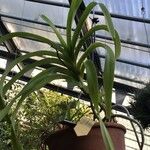
Vanda tricolor
Orchid · Three-colored vanda · Vanda
Description
Source: leafsnapVanda tricolor is a species of orchid occurring in Laos and from Java, Bali, Lombok and Sumbawa. It was imported to England by Thomas Lobb, the collector for Veitch Nurseries, from the western part of Java in 1846.
Care Guide
💧 Water
The three-colored vanda thrives in humid rainforests and needs daily watering to meet its high water requirements. As an epiphytic orchid, it absorbs moisture from the air, especially during the rainy season, mirroring its natural habitat conditions.
☀️ Light Partial sun
Three-colored vanda is native to habitats like forest understories or rocky areas, where it grows in natural shade. It prefers partial sun but can tolerate full sun or full shade, indicating its versatile and hardy nature.
🌡️ Temperature 20–37.8°C
The three-colored vanda does well in warm settings. It thrives at moderately high temperatures but not in conditions that are overly hot and humid. Sunlight helps warm the plant and encourages flowering. However, prolonged direct sun in summer can cause sunburn, so it is important to limit the amount of sunlight it receives during that season. The plant generally does not tolerate cold well, so it needs sufficient protection and warmer conditions in winter to avoid freezing.
What is the Three-colored vanda?
The Three-colored vanda, scientifically known as Vanda tricolor, is a species of orchid. It lacks detailed information about its essentials or specific symptoms associated with it. This may imply that it's a plant primarily appreciated for its aesthetics or botanical interest rather than for any notable essential uses or common symptoms that might be of concern to a gardener or plant enthusiast.
💨 Humidity
🪴 Soil 5-6
🌱 Fertilizer
Proper fertilization is essential for the Three-colored vanda's health and appearance. Fertilize the Three-colored vanda during summer, repeating the treatment every month throughout the season. Nutrients supply the energy for growth and help maintain the plant's parts. Fertilization improves the Three-colored vanda's floral display, ensuring the best blooms.
🪴 Pot & Repot Every 12 months
When repotting a Three-colored vanda, select a pot that is slightly larger with good drainage, preferably a clear orchid pot. Use an orchid-specific, well-draining mix that includes bark or moss. Carefully clean the roots and trim any that are dead or rotting. Repot after it finishes flowering, usually in spring or autumn, water thoroughly, and place it in bright, indirect light. Avoid disturbing the roots once repotted.
✂️ Pruning
To ensure the optimal health of your three-colored Vanda, follow these pruning guidelines: In early spring, remove any dead roots and leaves, and trim faded blooms to encourage new growth. Be careful not to cut healthy tissue. Always sterilize your tools before pruning to prevent infection. Regular pruning improves air circulation and light penetration, and it enhances the plant's aesthetic appeal.
🌿 Propagating
🐛 Diseases & pets
☠️ Toxicity
Characteristics
- Plant Type
- Herb
- Life Cycle
- Perennial
- Genus
- Vanda
- Family
- Orchidaceae
- Hardiness Zone
- 10-12
- Mature Height
- 30 cm to 61 cm
- Mature Spread
- 20 cm to 40 cm
- Leaf Color
- Green, Dark Green
- Leaf Type
- Evergreen
- Flower Color
- White, Purple, Pink
- Flower Size
- 5.08 cm to 7.62 cm
- Bloom Time
- All year round
- Planting Time
- Summer, Autumn
- Harvest Time
- All year round