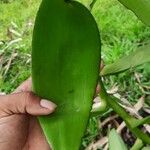
Vanilla planifolia
Bourbon vanilla · Vanilla · Vanilla bean · Vanilla orchid · Vanilla pod
Description
Source: leafsnapVanilla planifolia is a species of vanilla orchid. It is native to Mexico and Belize. It is one of the primary sources for vanilla flavouring, due to its high vanillin content. Common names include flat-leaved vanilla, and West Indian vanilla (also used for the Pompona vanilla, V. pompona). Often, it is simply referred to as "the vanilla". It was first scientifically named in 1808. With the species' population in decline and its habitats being converted to other purposes, the IUCN has assessed Vanilla planifolia as Endangered.
🌳 The flat-leaved vanilla is mainly known for its enticing pods used to flavor desserts, but it also has a notable, often overlooked role in the perfume industry. The extract, obtained from the orchid's seeds, is a key component in many luxury and everyday fragrances. Its complex aroma profile contributes a warm, creamy depth that is highly desired, subtly enhancing the scent of numerous perfumes. Beyond culinary and fragrance applications, flat-leaved vanilla also functions as an important natural pesticide, with certain compounds shown to be effective at repelling pests.
Care Guide
💧 Water
Flat-leaved vanilla originates from the humid tropics of Central America. This plant prefers consistent moisture but can tolerate some drought. For optimal growth, it's important to water it weekly. Commonly cultivated indoors, flat-leaved vanilla thrives in high humidity, which is crucial for maintaining its evergreen nature and lush foliage. This humidity also helps protect the plant from extreme temperatures.
How should I water my Flat-leaved vanilla plant to keep it healthy?
The watering needs of your Flat-leaved vanilla plant vary depending on its growth phase and the weather conditions. During an active growth phase, water the soil regularly and consider occasional overhead watering in warm weather to allow the plant to absorb moisture through its leaves. In contrast, during winter or cool and wet weather, only water the soil directly and avoid overhead watering. To determine if your plant needs more water, check for thin and dry leaves or discoloration. Overwatering will make the plant look mushy and limp. It is best to grow the Flat-leaved vanilla in a pot with excellent drainage. During the growing season, water the plant multiple times per week, ensuring that each watering drains quickly to prevent standing water. The amount of water needed depends on the pot size, with larger pots requiring less frequent watering and smaller pots needing slightly more frequent watering. Ideally, use rainwater or distilled water that matches the air temperature as closely as possible.
What should I do if I give my Flat-leaved vanilla plant too much or too little water?
To prevent your Flat-leaved vanilla plant from dying, it's important to avoid keeping the soil too moist for too long. While these plants require frequent watering during active growth, they also need a well-draining soil. Overwatering can lead to mushiness and root rot. If this happens, use sterile pruning shears to remove any rotted roots and then repot the plant in a container with good drainage and fast-draining potting mix. However, excessive repotting can be harmful to Flat-leaved vanilla, so it's crucial to water it correctly. If you notice your plant shriveling and feeling dry, it may be underwatered. In that case, increase your watering frequency as the soil is drying out faster than expected.
How often should I give water to my Flat-leaved vanilla plant?
To help your Flat-leaved vanilla thrive, here's a watering guide for different seasons. In the active growth stage (spring and summer), water your plant once or twice a week. If it's hot and dry, increase the frequency to three times per week or more. In winter, you still need to water, but not as much. Aim for two to three times per month to keep it alive during the coldest months. However, if you keep your plant indoors, the soil may dry out faster, so you might need to water more frequently. During fall, gradually reduce the watering from the summer rate to your winter schedule.
What things should I think about when giving water to my Flat-leaved vanilla at different times of the year and when it is growing?
When planning the watering schedule for your Flat-leaved vanilla, it is important to consider two growth phases. The first phase is the active growth period, which occurs in spring and summer. During this time, you should water the plant multiple times per week. The second phase is the rest period, which lasts for about two to three months in winter. During this period, the Flat-leaved vanilla requires less water and fertilization. Watering once or twice per month is sufficient. In fall, gradually decrease the watering frequency from multiple times per week to once or twice per month, which is appropriate for winter.
How should I change how I water my Flat-leaved vanilla when I grow it indoors?
The Flat-leaved vanilla plant needs a humid environment to grow well. However, indoor locations often lack the necessary air moisture for this plant. Consequently, the plant and its soil can quickly dry out when grown indoors compared to outdoors. To address this issue, consider using a humidifier in the room where you are growing the Flat-leaved vanilla. Additionally, you may need to water the plant more frequently. It is crucial to note that though Flat-leaved vanillas prefer humidity, they also require adequate air circulation to avoid excessive moisture and resulting diseases. For this reason, it may be beneficial to include a fan in the room to ensure proper air circulation.
☀️ Light Partial sun
Flat-leaved vanilla generally does well with moderate sunlight and can tolerate fairly shaded conditions. Since it comes from habitats with substantial canopy cover, it can endure lower light levels. Too much or too little light can harm its health and growth. Throughout its various growth stages it prefers a steady light intensity.
What are the sunlight requirements for Flat-leaved Vanilla (Vanilla planifolia)?
Flat-leaved Vanilla (Vanilla planifolia) thrives in environments that provide partial to moderate sun exposure, needing about 3-6 hours of sunlight per day. It can also tolerate full shade, receiving less than 3 hours of sunlight. Due to its origin in habitats with significant canopy cover, it can endure lower light conditions. However, both overexposure and insufficient exposure to sunlight can negatively affect the plant's health and growth. It's essential to observe the movement of sunlight through your garden to find the perfect balance ensuring the plant's wellbeing.
How can artificial lighting benefit indoor Vanilla planifolia plants?
Indoor Flat-leaved Vanilla plants require adequate lighting to grow optimally. When natural sunlight is insufficient, especially during winter or in less sunny spaces, artificial lights become essential. They promote faster, healthier growth by compensating for the lack of natural light. LED lights are recommended for their ability to provide specific wavelengths needed by plants. Depending on the plant's light requirements, the intensity of artificial light should be adjusted between 10-50W/sq ft. The light source should be placed 12-36 inches above the plant to mimic natural sunlight, ensuring the plants receive 8-12 hours of light per day.
What are the symptoms of improper lighting in Vanilla planifolia?
Symptoms of improper lighting in Flat-leaved Vanilla include small, new leaves that are smaller in size than the previous ones, leggy or sparse growth with long spaces between leaves or stems, quicker leaf drop to conserve resources, halted or no new growth as the plant enters survival mode, and the development of paler or irregularly colored new leaves. Excessive light exposure may lead to chlorosis, where leaves lose their green color; sunscald, indicated by pale or necrotic patches on leaves; leaf curling as a defense against intense light; wilting due to increased water loss; and leaf scorching, characterized by brown, dry edges on leaves.
What are the solutions for managing light exposure for Vanilla planifolia?
To optimize light exposure for Flat-leaved Vanilla, indoor plants should be gradually moved to sunnier spots until they receive the recommended 3-6 hours of sunlight, or use artificial lighting for at least 8 hours daily. Outdoor plants should also be moved gradually to prevent sunburn. Obstructions blocking sunlight should be minimized by pruning trees or plants blocking light or relocating the plants to sunnier spots. For plants that have suffered from insufficient light, increasing sunlight exposure gradually can promote the growth of healthy new foliage, although parts of the plant already affected may not recover.
🌡️ Temperature 20–37.8°C
Flat-leaved vanilla is indigenous to warm regions and grows best when temperatures range from 68 to 100 °F (20 to 38 ℃). In colder areas or during cooler seasons, employing heated grow lights or a greenhouse is advisable to keep temperatures within that range.
What is the ideal temperature range for growing Flat-leaved vanilla?
Flat-leaved vanilla, or Vanilla planifolia, thrives in warm climates with ideal temperatures ranging between 68 to 100 °F (20 to 38 °C). To ensure the plant's optimal growth, it's recommended to maintain this temperature range. In colder climates or seasons, utilizing heated grow lights or greenhouses can help sustain the necessary warmth. If the temperature falls below 5°C, particularly during winter, bringing the Flat-leaved vanilla indoors is advisable to protect it from the cold.
How do you care for Flat-leaved vanilla during colder months?
During the colder months, when the temperature is at risk of dropping below 5°C, it is essential to bring Flat-leaved vanilla indoors to a warmer environment. Maintaining an indoor temperature above 20°C is beneficial for the plant's health. Positioning the plant near a south-facing window can ensure it receives sufficient sunlight. Additionally, to mimic its native tropical conditions, regularly mist the plant or use a humidifier to maintain high humidity levels. For those growing orchids that need to remain outdoors, finding a sheltered and sunny spot, setting up a temporary greenhouse, or wrapping the plants with protective materials like plastic film or fabric can provide extra warmth and protection.
What are the symptoms of low temperature exposure in Flat-leaved vanilla, and how do you manage it?
Exposure to low temperatures is detrimental to Flat-leaved vanilla, as it is a plant that prefers warmth, with optimal growth above 20°C. If the plant experiences temperatures below 1°C, symptoms such as extensive water-soaked necrosis, wilting, and drooping of the leaves may occur. To manage this, affected areas should be trimmed off, and the plant must be brought into a warm indoor setting promptly. Placing the plant near a south-facing window ensures ample sunlight, but it should be kept away from heaters or air conditioning vents to prevent air dryness.
How should you care for Flat-leaved vanilla during high temperatures?
Flat-leaved vanilla should ideally be maintained at temperatures below 38°C, as temperatures above 43°C halt the plant's growth and lead to wilting leaves, increased susceptibility to root rot, and a risk of sunburn from direct sunlight exposure. To care for Flat-leaved vanilla in such conditions, sunburned or dried parts of the plant should be trimmed away. Moving the plant to a shaded area, away from direct midday and afternoon sun, helps prevent further damage. Watering the plant in the morning and evening will keep both the plant and its surrounding environment moist, aiding in its recovery and health during high temperatures.
💨 Humidity normal (40-60%)
This plant will thrive in moderate humidity, which is probably the level in your home. However, misting it a few times a week can be very beneficial. Make sure the room has good ventilation.
🪴 Soil 6-7
🌱 Fertilizer
Prefer organic fertilizers (e.g., fish emulsion, compost) instead of chemical fertilizers for Flat-leaved vanilla. Supply young plants with higher nitrogen and phosphorus during spring. Work compost or fertilizer into the soil either before or after planting. For mature plants, add a balanced fertilizer or one addressing a specific deficiency in spring. Nutrient deficiency produces small leaves, short branches, yellow or bronze foliage, acidic (sour) fruits, premature fruit drop, and splitting.
Why is it necessary to fertilize my Flat-leaved vanilla plant?
Fertilizer and soil nutrients are like fuel for your Flat-leaved vanilla plant. They are essential for maintaining healthy growth. Plants rely on soil nutrients to create new plant material and keep their existing parts in good condition. Specifically for the Flat-leaved vanilla plant, fertilization is crucial for achieving beautiful flowers. Since the flowers are the main attraction of this plant, most gardeners want to ensure they appear in their best form. Fertilization is a reliable method to help your Flat-leaved vanilla produce the most stunning blooms.
When should I fertilize my Flat-leaved vanilla plant?
The Flat-leaved vanilla has two main phases every year. The first phase is the dormant phase, which occurs during winter and involves minimal new growth. The second phase is the active growth phase, which occurs during spring and fall. It is during these times that your Flat-leaved vanilla requires the most fertilization. It is recommended to start fertilizing in the spring, repeating the process once a month throughout the spring and summer. As fall approaches, you can gradually decrease the frequency of fertilization.
When should I not add fertilizer to my Flat-leaved vanilla?
To successfully support the growth of Flat-leaved vanilla, it's important to avoid root burn. This plant thrives during the spring and summer when it actively grows, requiring additional nutrients. However, during the fall and winter when it enters its dormancy stage, fertilizing should be discontinued.
What kind of fertilizer should I use for my Flat-leaved vanilla plant?
To ensure proper nutrition for your Flat-leaved vanilla plant, it is recommended to use a fertilizer that has a balanced mix of the three main nutrients, with slightly higher phosphorus content. Alternatively, you can also enhance the soil by incorporating organic materials such as compost, worm castings, and manure. Fertilizers are available in various forms, most of which are suitable for your Flat-leaved vanilla. However, the liquid or powdered forms are considered among the best options. Regardless of the type you choose, make sure to dilute the fertilizer and apply it while watering your Flat-leaved vanilla.
How can I fertilize my Flat-leaved vanilla plant?
To effectively apply fertilizer to your Flat-leaved vanilla plant, there are a few steps to follow. First, find a suitable fertilizer and learn the recommended fertilization schedule. Once that's done, it's time to understand how to actually apply the fertilizer. The most dependable method is to mix your liquid fertilizer with water before applying it to the soil. However, take note that each fertilizer may have different instructions. It's advisable to refer to the manufacturer's guidance on how to use their specific fertilizer. These instructions should include details on how to dilute the fertilizer properly to avoid overfertilization. Mixing your fertilizer with water is a straightforward process, and once that's done, simply pour the mixture into the soil where your Flat-leaved vanilla plant is located.
🪴 Pot & Repot Every 12 months
✂️ Pruning
Flat-leaved vanilla is a climbing plant with flat leaves that requires careful pruning. To promote better airflow and reduce the risk of disease, trim dead or weak stems from late winter to early spring, concentrating on non-productive shoots. Be cautious not to prune too heavily, as this can stress the plant and hinder healthy growth.
🌿 Propagating
🐛 Diseases & pets
☠️ Toxicity
Characteristics
- Plant Type
- Herb, Vine
- Life Cycle
- Perennial
- Genus
- Vanilla
- Family
- Orchidaceae
- Hardiness Zone
- 10-12
- Mature Height
- 1.83 m to 30.48 m
- Mature Spread
- 30 cm
- Leaf Color
- Green
- Leaf Type
- Evergreen
- Flower Color
- Yellow, Green
- Flower Size
- 5.08 cm
- Bloom Time
- All year round
- Planting Time
- Spring, Summer, Autumn, Winter
- Harvest Time
- All year round
- Native Area
- Belize, Honduras, Mexico, Guatemala, Peru, Panama, Jamaica, Colombia, Cuba, Venezuela, Guyana, El Salvador, Nicaragua, Brazil, Ecuador, Costa Rica