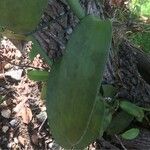
Vanilla pompona
Pompona vanilla · Guadeloupe vanilla · West Indian vanilla
Description
Source: leafsnapVanilla pompona, also known as the West Indian vanilla, is a species of orchid native to Central and South America. This climbing vine can grow up to 30 meters in length and features thick, fleshy leaves. The plant produces fragrant, greenish-yellow flowers that are pollinated by bees and hummingbirds. The fruit of the Vanilla pompona plant is a long pod containing numerous small seeds. These seeds are used to produce vanilla flavoring, which has been highly valued for centuries due to its unique taste and aroma. Vanilla pompona thrives in warm temperatures with high humidity levels and requires partial shade for optimal growth. Though it can be cultivated in tropical regions worldwide, it demands careful attention due to its delicate nature. Beyond its culinary uses as a flavoring agent for foods like ice cream and baked goods, Vanilla pompona also has medicinal properties. The plant contains compounds with anti-inflammatory effects, traditionally used by indigenous peoples to treat ailments such as headaches and stomach problems. Overall, Vanilla pompona is an important species with both culinary and medicinal value that continues to be cultivated around the world today.
Care Guide
💧 Water Every 7 days
West Indian vanilla thrives with adequate moisture, though it can tolerate occasional drought. Water the plant weekly during the summer, and reduce watering to once every 10 days in the fall and winter. To maintain humidity, regularly mist the plant using neutral pH water that has been stored in advance to allow dissolved CO2 to dissipate.
☀️ Light Partial sun
West Indian vanilla is native to places like forest understories or rocky areas, where it grows in natural shade. It prefers partial sun but can adjust to full sun or full shade, showing its versatility and hardiness.
🌡️ Temperature 20–37.8°C
West Indian vanilla does best in warm conditions. It prefers moderately high temperatures but not extreme heat and humidity. Sunlight warms the plant and encourages flowering. However, long periods of direct sun in summer can cause sunburn, so the amount of light it gets during that season should be managed. The plant is generally sensitive to cold, so it needs proper protection and warmer conditions in winter to avoid freezing.
What is the botanical name of West Indian Vanilla?
The botanical name of West Indian Vanilla is Vanilla pompona. It is one of the species within the vanilla genus, distinct from the more widely known Vanilla planifolia.
💨 Humidity
🪴 Soil 6-7
🌱 Fertilizer
Appropriate fertilization is essential for West indian vanilla's health and appearance. Fertilize West indian vanilla during the summer, repeating the application monthly throughout the summer. Nutrients provide the energy for growth and help maintain the plant's parts. Fertilization improves West indian vanilla's flower display, ensuring the best blooms.
🪴 Pot & Repot
✂️ Pruning
West Indian vanilla benefits from careful pruning, which is best done in early spring. By removing dead stems, you can improve airflow and prevent diseases. It's important to thin out dense areas while making sure not to trim more than one-third of the plant's growth to avoid causing stress. This practice enhances the plant's overall health and boosts bloom production.
🌿 Propagating
🐛 Diseases & pets
☠️ Toxicity
Characteristics
- Plant Type
- Vine, Herb
- Life Cycle
- Perennial
- Genus
- Vanilla
- Family
- Orchidaceae
- Hardiness Zone
- 10-12
- Mature Height
- 10.06 m to 14.94 m
- Mature Spread
- 2.13 m to 3.05 m
- Leaf Color
- Dark Green
- Leaf Type
- Evergreen
- Flower Size
- 10.16 cm to 15.24 cm
- Bloom Time
- All year round
- Planting Time
- Spring, Summer, Autumn
- Harvest Time
- All year round