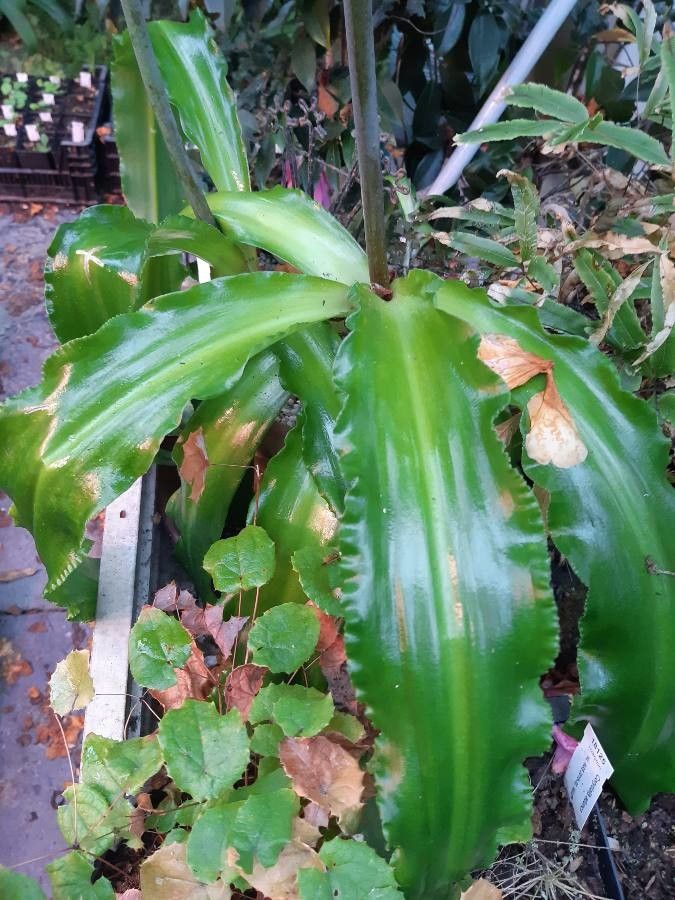
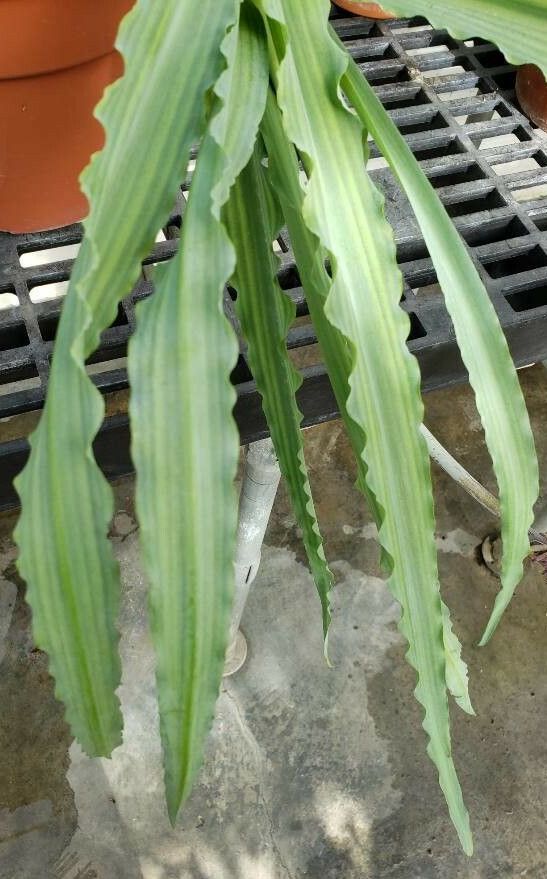
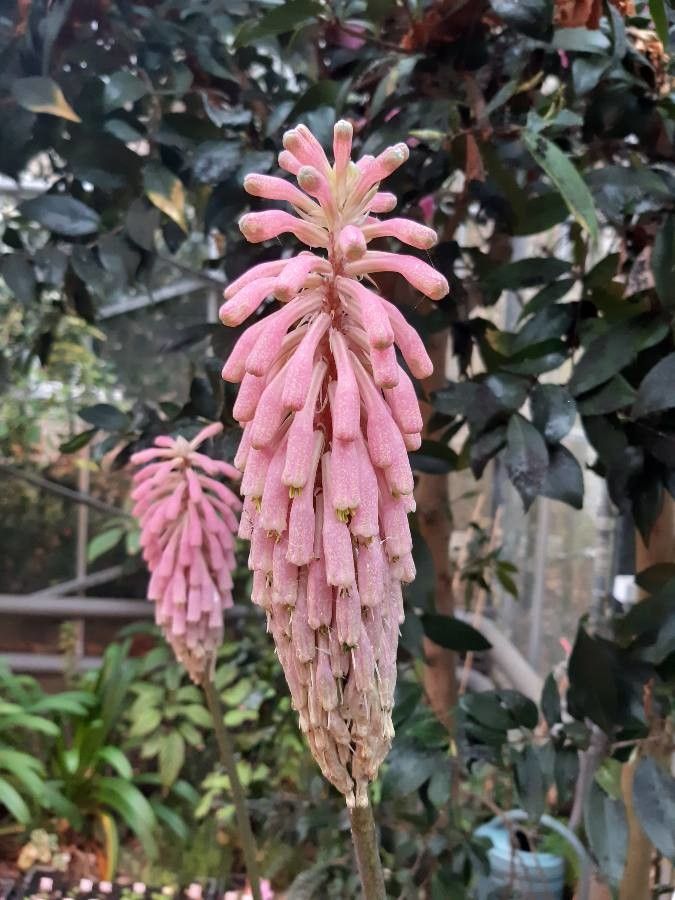
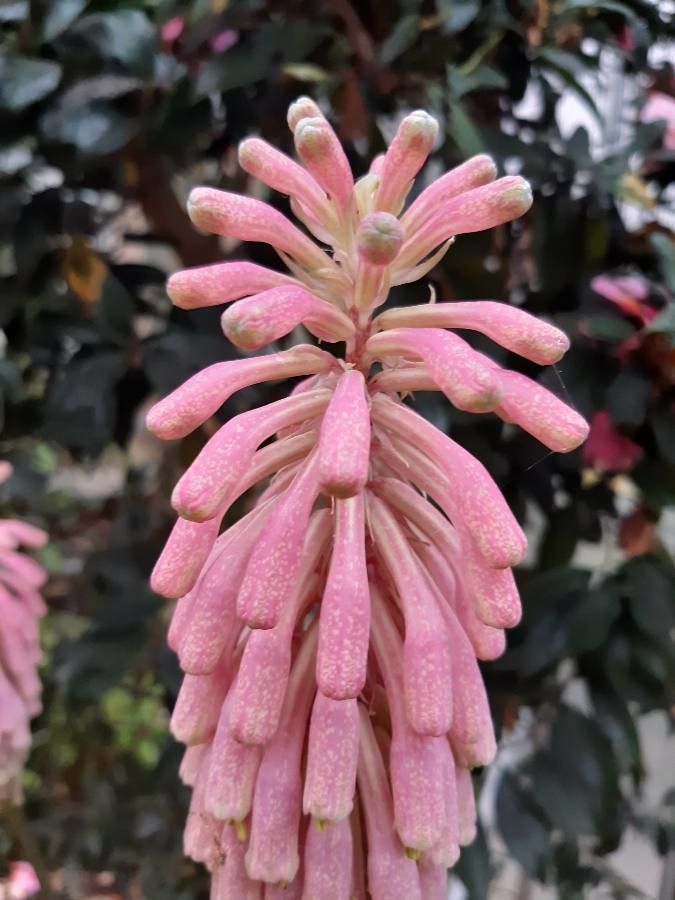
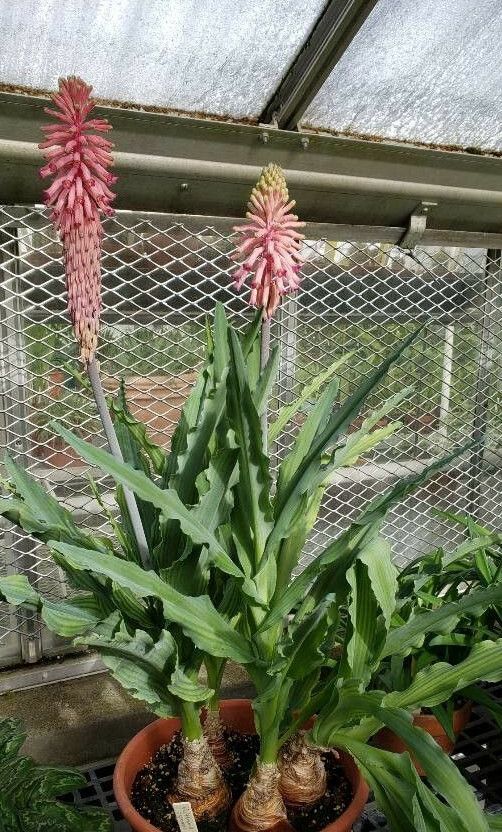
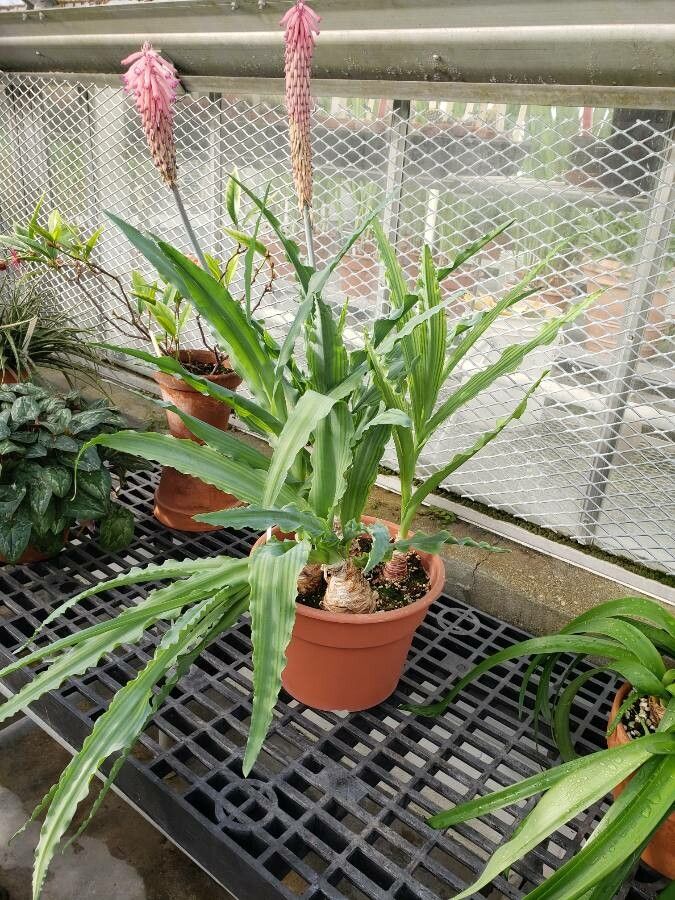
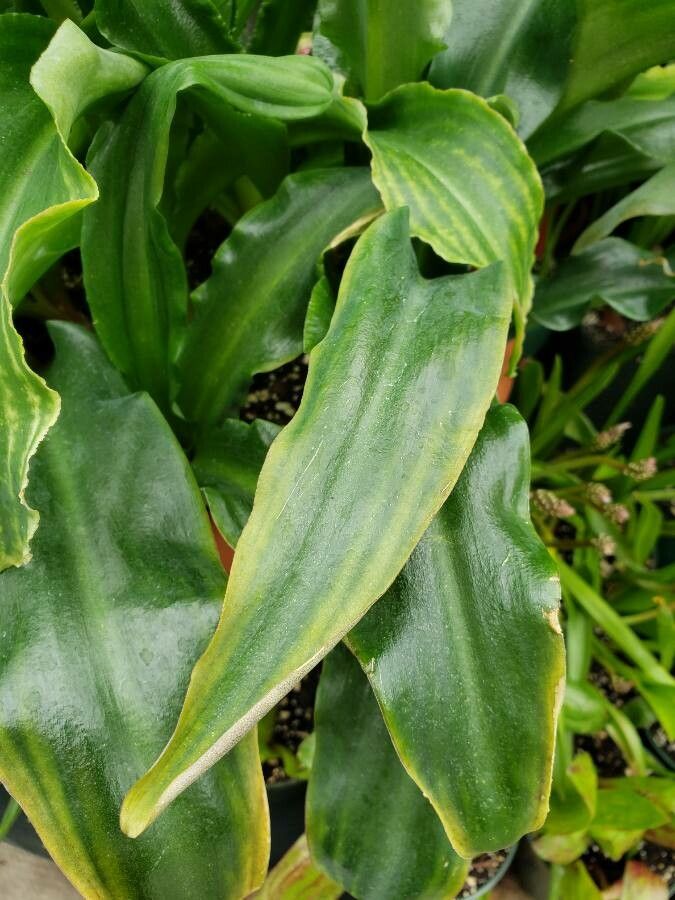
Veltheimia capensis is one of two species of flowering plants belonging to the genus Veltheimia, of the family Asparagaceae. It is a tender bulbous perennial reaching a height of 46 cm (18 in), with flowers varying in color from white with red spots to pink with green or red markings.
Sand lily is fairly disease-resistant and usually does not get sick. Still, it can be vulnerable to pests and diseases present in its environment. Such infections tend to be mild. In terms of care, this plant needs moderate maintenance. It should be pruned regularly to preserve a neat appearance and support healthy growth. Fertilizing can also encourage flowering. Sand lily is suitable for anyone with outdoor space like a garden or patio and does not demand extensive gardening experience. It may need more attention if grown indoors.
How to keep Veltheimia Capensis.
Light
The sand lily prefers abundant sunlight and performs best in places with strong solar illumination. It can tolerate somewhat filtered light, although that may limit optimal growth. Native to sunny regions, it can become stressed or show reduced growth when kept in inadequate light. Conversely, excessive exposure can cause sun scorch or decreased vigor.
Water
The sand lily is well-suited for arid environments due to its remarkable drought tolerance. It generally needs moderate watering, about once a week, to stay healthy. Being an evergreen plant, the sand lily keeps its leaves throughout the year, which helps conserve water during dry spells.
Temperature
Sand lily grows best in its native habitat, where temperatures vary widely, from 68 to 100.4 °F (20 to 38 ℃). With seasonal shifts, small adjustments may be needed to satisfy its temperature requirements.
Fertilizer
Proper fertilization is essential for Sand lily's health and appearance. Fertilize Sand lily in summer, repeating the application monthly throughout the season. Nutrients fuel growth and maintain the plant's parts. Fertilization improves Sand lily's flower display, ensuring the best blooms.
Pruning
The sand lily requires only minimal pruning to thrive. In early spring, remove any dead leaves, and after the plant has finished flowering, trim away the spent stalks. Throughout the growing season, make sure to consistently remove any yellowing foliage to promote the plant's health. Pruning at the appropriate times not only supports vitality but also enhances the plant's appearance.
Pot & Repot
When repotting Sand lily, select a pot 1-2 inches (2.5–5.1 cm) larger with ample drainage. Use a well-draining potting mix. Repot in spring or fall, making sure the root ball is slightly lower than the rim of the flower pot. Water thoroughly after repotting and place it in a warm spot with indirect sunlight.
Botanical profile.
- Plant Type
- Herb
- Life Cycle
- Perennial
- Genus
- Veltheimia
- Family
- Asparagaceae
- Hardiness Zone
- 9-11
- Mature Height
- 46 cm
- Mature Spread
- 10 cm to 49 cm
- Leaf Color
- Blue, Gray, Silver
- Leaf Type
- Deciduous
- Flower Color
- Pink
- Flower Size
- 3.05 cm to 5.08 cm
- Bloom Time
- Winter
- Planting Time
- Autumn
- Harvest Time
- Late winter, Early spring, Mid spring
- Native Area
- South Africa
Other names.
Reader questions.
What are the sunlight requirements for a Sand Lily?
The Sand Lily thrives best with generous sunlight exposure, ideally flourishing in areas where it can receive abundant solar illumination. It's adaptable to conditions where light may be somewhat filtered, but full sun exposure is crucial for its optimal growth. Originating from strong sunshine regions, the Sand Lily may experience stress or reduced growth under inadequate light conditions. While it requires significant light to thrive, too much direct exposure can also lead to issues such as sun scorch or diminished vigor. Understanding the balance of light and shade in your garden is key to ensuring the happiness and health of your Sand Lily.
What are the ideal growing temperatures for Sand Lily?
Sand Lily (Veltheimia capensis) thrives best in its native environment where there are substantial temperature fluctuations, with ideal temperatures ranging between 68 and 100.4 °F (20 to 38 °C). As the seasons change, minor adjustments may be necessary to accommodate the Sand Lily's temperature preferences. It is an extremely heat-loving plant and does not tolerate cold well. During autumn, if grown outdoors, it is advisable to bring the Sand Lily indoors and place it near a bright window, away from direct heat sources. To ensure healthy growth, maintaining indoor temperatures above 20°C, especially during winter, is beneficial. Exposure to temperatures nearing or below 0°C is detrimental to the plant.
How do I use artificial lighting for Sand Lily plant growth?
Indoor Sand Lily plants require sufficient lighting for optimal growth, particularly when natural sunlight is scarce, such as during winter or in less sunny spaces. Artificial lighting becomes essential in these conditions, promoting healthier, faster growth. LED lights are recommended due to their ability to be customized to provide specific light wavelengths needed by plants. For full sun plants, 30-50 Watts per square foot is ideal; partial sun plants need 20-30 Watts per square foot, and full shade plants require 10-20 Watts per square foot. The light source should be placed 12-36 inches above the plant to mimic natural sunlight adequately, and most plants will benefit from 8-12 hours of light per day to mimic natural daylight hours.
How should you care for a Sand Lily in low temperatures?
The Sand Lily prefers warm environments and does not tolerate low temperatures well. It is crucial to keep the temperature above 20°C to ensure its well-being. In winter, temperatures should not drop below 0°C. When exposed to temperatures below -5°C, the leaves may lighten in color, and after frost damage, they may turn brown or black, exhibiting signs of wilting and drooping. To manage frost damage, trim off the affected parts and immediately move the plant to a warmer indoor environment for protection against the cold. The ideal indoor placement is near a south-facing window to ensure ample sunlight, but avoid placing the plant near heaters or air conditioning vents to prevent air dryness.
What are the symptoms of inadequate lighting in Sand Lily plants?
Sand Lily plants may exhibit several signs when exposed to inadequate lighting conditions. These include smaller new leaves compared to mature ones, leggy or sparse growth with increased spacing between leaves or stems, quicker dropping of older leaves to conserve resources, slowed or completely halted new growth, and pale or irregularly colored new leaves indicating a lack of chlorophyll and nutrients. Conditions such as chlorosis, where leaves lose their green color and turn yellow, sunscald with pale or necrotic areas on the plant tissue, leaf curling as a defense mechanism against excessive light, wilting due to water loss from overexposure to sunlight, and leaf scorching, characterized by brown, dry edges on leaves, may also occur.
What care should be taken for a Sand Lily in high temperatures?
During the summer months, it is necessary to ensure that the Sand Lily does not get exposed to temperatures above 38°C. When temperatures rise above 43°C, the leaves may become lighter in color and the plant is more prone to sunburn. To mitigate damage from high temperatures, trim away the sunburned and dried parts of the plant. Relocate the Sand Lily to a spot where it is shaded from the harsh midday and afternoon sun. Additionally, watering the plant in the morning and evening helps to keep the soil moist and lowers the risk of heat stress.
How can I address and improve the light conditions for my Sand Lily?
Improving light conditions for your Sand Lily involves several strategies based on the plant's location. Indoors, gradually move the plant to sunnier spots weekly until it receives at least 6 hours of direct sunlight daily, utilizing south-facing windows and keeping curtains open during the day. Artificial lighting, such as desk lamps or professional grow lights, can be used for at least 8 hours daily for additional support. Outdoors, gradually acclimate your plants to brighter locations to prevent sunburn. Note that parts of the plant affected by previous insufficient light might not recover, but new growth should be healthy after adjusting the light exposure. For ground-planted Sand Lilies, reduce light obstructions by pruning trees or transplanting the plants during their dormant period to sunnier locations with ample sunlight and good drainage.