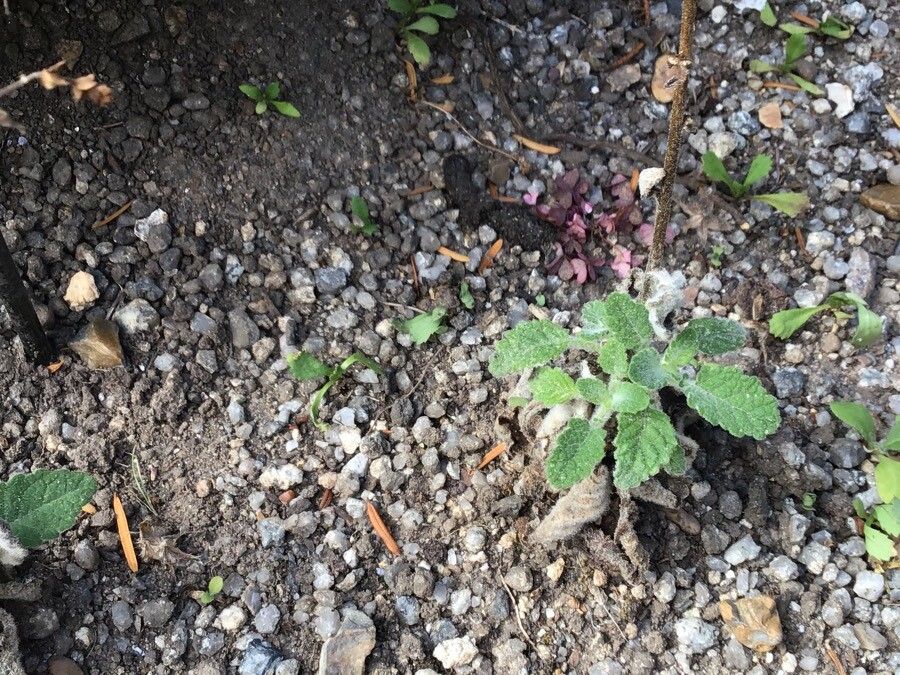
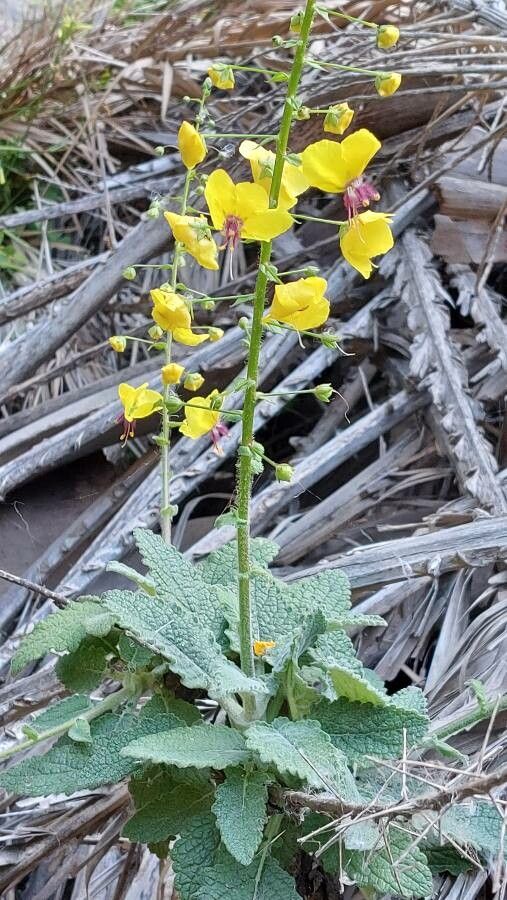
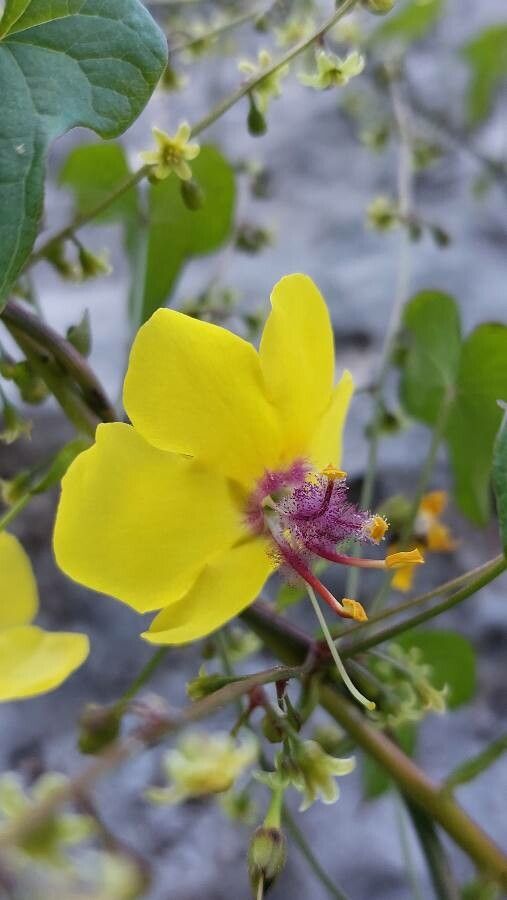
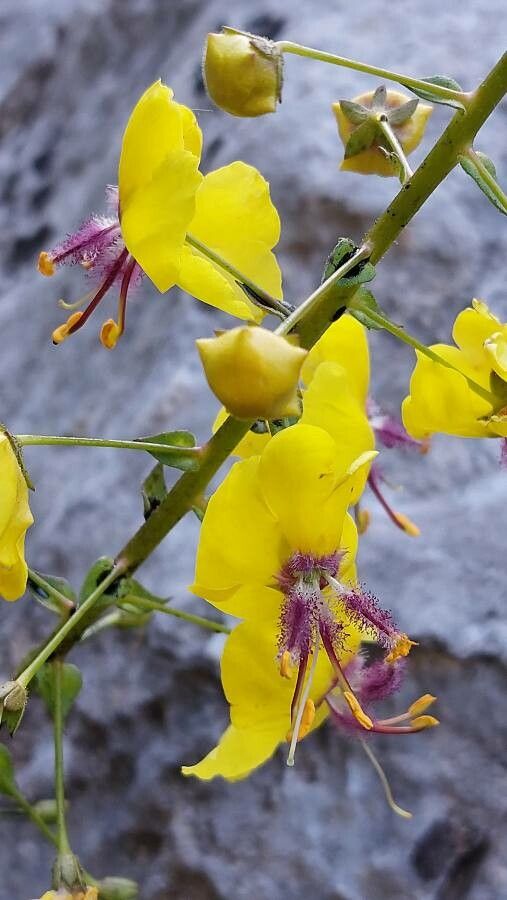
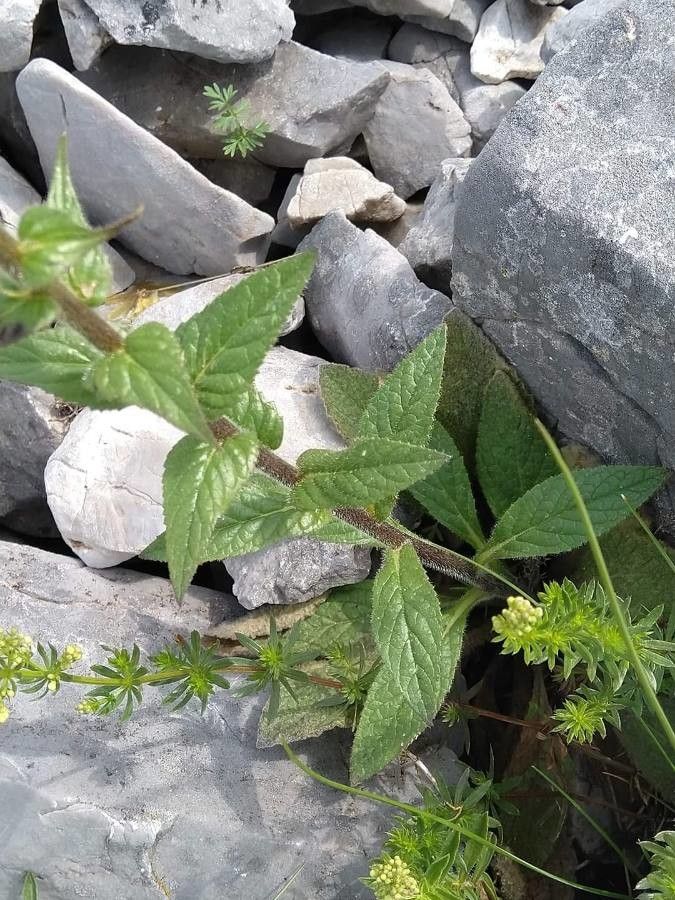
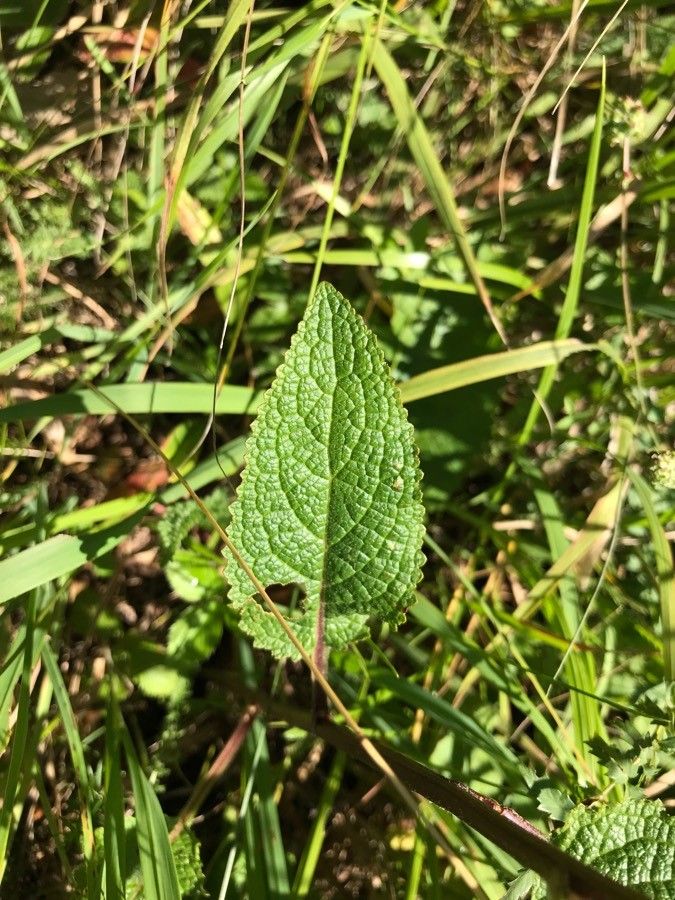
Bear's-tail mullein is fairly disease-resistant and typically not easily affected by illnesses. Still, it can be vulnerable to pests and pathogens found nearby. Such infestations are generally mild. Regarding care, the plant needs moderate upkeep. Regular pruning is necessary to preserve its appearance and encourage healthy growth. Applying fertilizer can also aid in boosting blooms. Bear's-tail mullein is appropriate for anyone who has outdoor areas like a garden or patio and does not demand extensive gardening experience. It may need extra attention if cultivated indoors.
How to keep Verbascum Arcturus.
Light
Bear's-tail mullein comes from sunny, open habitats where it flourishes in full sun. It can tolerate some partial shade but favors direct sunlight for best growth. This plant, which may be annual or biennial, is recognized for its sun-loving nature.
Water
Bear's-tail mullein thrives with moderate watering and consistent moisture levels. For optimal health, it requires weekly watering. Although it is usually grown outdoors and can endure short dry spells, adjusting supplemental watering to align with natural rainfall patterns will encourage vigorous growth and resilience.
Temperature
Bear's-tail mullein can tolerate a wide range of temperatures, but its distribution may still be restricted by different combinations of moisture and heat. It does best in warm summer conditions with sufficient rainfall or watering. Extended periods of cloudy, rainy weather, as well as prolonged high temperatures, can increase the likelihood of Bear's-tail mullein dying. In winter, protecting the plant from cold can improve its chances of survival.
Fertilizer
Bear's-tail mullein requires regular fertilizing to encourage flowering but does not tolerate excess. It needs small amounts of fertilizer applied frequently throughout its entire life cycle, especially during the peak period of active growth and while it is flowering. You should continue feeding your Bear's-tail mullein until it stops blooming.
Pruning
To keep Bear's-tail mullein healthy, it's best to prune it from early to late spring. Start by removing dead growth to promote better health. After the flowers have bloomed, cut back the flower stalks to maintain the plant's shape and encourage new blooms. Pruning also improves air circulation and prevents the plant from self-seeding. Make sure to use clean, sharp tools for the best results.
Botanical profile.
- Plant Type
- Herb
- Life Cycle
- Biennial
- Genus
- Verbascum
- Family
- Scrophulariaceae
- Hardiness Zone
- 7-10
- Mature Height
- 30 cm to 61 cm
- Mature Spread
- 20 cm to 40 cm
- Leaf Color
- Green, Dark Green
- Leaf Type
- Evergreen
- Flower Color
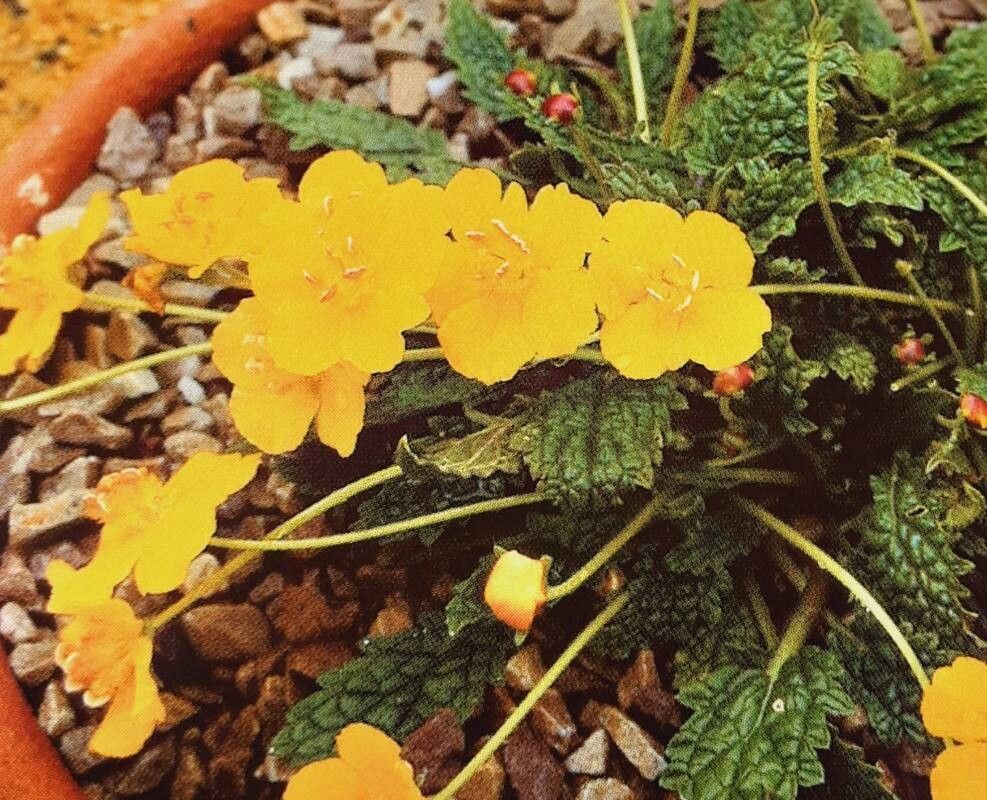
- Yellow
- Flower Size
- 2.03 cm to 3.05 cm
- Bloom Time
- Summer
- Planting Time
- Spring, Autumn
- Harvest Time
- Late summer, Early fall, Mid fall
- Native Area
- Cyprus, Greece