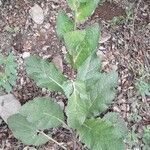
Verbascum blattaria
گل ماهور مواج، خرگوشک · Moth mullein · White Moth Mullein · Spurious mullein · White Moth Verbascum
Description
Source: leafsnapVerbascum blattaria, commonly known as moth mullein, is a biennial plant in the Scrophulariaceae family. Native to Europe and Asia, it has been introduced to North America and other parts of the world. The plant can grow up to 1 meter tall, forming a basal rosette of leaves in its first year. In its second year, it produces tall spikes adorned with numerous small white or yellow flowers that resemble moths. Moth mullein thrives in well-drained soils with full sun or partial shade and can tolerate drought conditions once established. It is commonly found growing along roadsides, in disturbed areas, meadows, and open woodlands. This plant has been used for medicinal purposes for centuries due to its anti-inflammatory compounds, which are believed to help alleviate respiratory problems such as coughs and bronchitis. Additionally, moth mullein is an important food source for various insects, including bees, butterflies, and moths, which are attracted to its nectar-rich flowers. Overall, Verbascum blattaria is an attractive biennial plant with medicinal properties that plays a significant ecological role by providing food for pollinators.
🌳 Moth mullein is not widely known for having many specific uses, but it acts as an indicator of ecological disturbance. Its presence in an ecosystem can signal that the soil has been disturbed. This can give ecologists and conservationists a helpful way to monitor habitat changes and the effects of human activity on the environment.
🎭 Kind disposition,
Care Guide
💧 Water Every 7 days
Moth mullein thrives in open areas with well-drained soil and moderate moisture levels, and it can handle short periods of drought. For optimal growth, water the plant weekly, ensuring the soil remains evenly moist without becoming waterlogged. As an herbaceous plant, moth mullein grows best outdoors and benefits from rainwater during its growing season.
How should I water my Moth mullein plant?
To properly water the Moth mullein, it is recommended to use filtered water at room temperature. Tap water can contain harmful particles for this plant, so using filtered water is preferable. Additionally, it is important to avoid using cold water as the Moth mullein is native to warm environments and cold water can be distressing to it. Another tip is to refrain from overhead watering to prevent issues with the foliage. Instead, thoroughly soak the soil with filtered, room temperature water. This method helps moisten the roots and facilitates their spread through the soil to gather essential nutrients.
What should I do if I give too much or too little water to my Moth mullein?
Overwatering and underwatering can harm your Moth mullein, but overwatering is more common. When this species gets too much water, its stems and leaves may wilt and turn yellow. Prolonged overwatering can also cause diseases like root rot, mold, and mildew that can kill your plant. Moth mullein is fairly resistant to underwatering, but it can still happen. Underwatering will make the leaves brittle and brown. It's crucial to notice signs of overwatering early. Some diseases caused by overwatering, like root rot, may not be fixable if you wait too long. Reduce watering immediately if you see early signs of overwatering. Check the soil quality where your Moth mullein grows. If it drains poorly, replace it with a loose, well-draining potting mix. If your Moth mullein shows signs of not enough water, simply water more regularly until those signs disappear.
How often do I need to water my Moth mullein?
If your plant is in a pot, the most precise way to determine if your Moth mullein needs water is to stick your finger into the soil. If the top two to three inches of soil feel dry, it's time to water it. If you have the Moth mullein planted outdoors, you can use the same method to check the soil. Once again, if the first few inches of soil are dry, it's time to water. Typically, during the spring and early fall, you'll need to water about once a week using this method. However, when it's very hot, you may need to increase watering to twice or more per week. It's worth mentioning that mature, well-established Moth mullein plants can endure drought quite well.
How much water does my Moth mullein plant require?
When watering your Moth mullein, don't hold back on the amount of water you give. Make sure the first two to three inches of soil are dry, and then give the plant a good, thorough soaking. The goal is to completely saturate the soil, allowing excess water to drain through the pot's drainage holes. If you don't see excess water draining, it's likely that you haven't given enough water. However, be careful not to let water accumulate in the soil, as this can harm the plant. On the other hand, if water isn't draining properly through the pot, this could be a sign of poorly draining soil, which is not good for the plant's health. If the plant is outside, receiving about 1 inch of rain per week should be enough.
How should I water my Moth mullein as it grows?
The water requirements of the Moth mullein can vary depending on its growth stages. When the plant is in its early years or has been recently transplanted, it needs more water than usual. During these stages, the plant focuses on developing new roots that will support its future growth. To aid root development, the plant requires slightly more moisture. As the plant matures over a few seasons, it will require less water. Additionally, during the bloom period, the Moth mullein may need more water due to the significant amount of moisture used in flower development.
☀️ Light Full sun
Moth mullein does best in places with abundant sunlight, though it can tolerate slight shade. This preference for light stems from its native habitat, which receives plentiful sun. Insufficient light can limit its growth, while excessive exposure can potentially cause damage.
What are the sunlight requirements for Moth Mullein?
Moth Mullein requires full sun, meaning it should receive above 6 hours of sunlight daily, though it can also thrive in partial sun, with about 3-6 hours of sunlight. It's essential to observe how sunlight moves through your garden to select spots that provide the ideal balance of light and shade to ensure the well-being of your plants.
What essentials should be known about Moth Mullein's light needs?
Moth Mullein thrives best in areas with plentiful daylight but can also tolerate slightly shaded environments, echoing its origins in habitats with abundant sunlight. Inadequate light can impede its growth, while too much direct exposure might be harmful. For indoor plants, artificial lighting becomes crucial when natural sunlight is insufficient, especially during winter or in less sunny spaces. LED lights are preferred for indoor plant lighting as they can be tailored to provide specific light wavelengths needed by plants, with varied wattage requirements based on whether the plant is full sun, partial sun, or full shade.
What are the symptoms of incorrect light exposure in Moth Mullein?
Inappropriate light conditions for Moth Mullein can lead to several symptoms: smaller new leaves, leggy or sparse growth, faster leaf drop, slower or halted new growth, pale or irregularly colored new leaves, chlorosis or yellowing of leaves, sunscald marked by pale or necrotic patches, leaf curling as a defense against too much light, wilting due to excessive water loss, and leaf scorching with brown, dry edges. These symptoms help in diagnosing and rectifying the plant's light exposure levels.
How can I address Moth Mullein's light-related issues?
To address light-related issues in Moth Mullein, an adaptive approach is required. For indoor plants, you can gradually increase sunlight exposure to at least 6 hours daily by using a south-facing window or supplementing with artificial light for larger, less movable plants. Outdoors, it's about finding the best sunlight spot and slowly acclimating the plant by reducing obstructions such as overhanging branches. For plants in the ground, consider transplanting during the dormant period to a more suitable location with ample sunlight and good drainage. It's key to remember that parts of the plant suffering from light deficiency might not recover, but new growth can be healthy with proper light adjustments.
🌡️ Temperature 5–35°C
Moth mullein originates in temperate zones and is naturally suited to temperatures between 68 and 95 °F (20 to 35 ℃). It tolerates seasonal temperature fluctuations well but favors warmer conditions for the best growth.
What is the origin and ideal temperature range for growing Moth mullein?
Moth mullein originates from temperate regions and is naturally adapted to temperatures ranging from 68 to 95 °F (20 to 35 ℃). It thrives in warmer climates for optimal growth and exhibits strong resilience in seasonal temperature changes. Moth mullein is also known for its strong cold resistance, meaning that special frost protection measures are not usually necessary during winter. However, in case winter temperatures are expected to drop significantly, it's important to provide some form of cold protection by covering the plant with soil or straw and ensuring the soil around it is moist before the first freeze in autumn to prevent drought and water scarcity during the colder months.
How does low temperature affect Moth mullein and what are the recommended solutions?
Moth mullein is cold-tolerant, ideally thriving in temperatures above a certain minimum that ensures healthy growth. During winter, it's important to keep the plant above a specific minimum temperature to avoid limiting its growth. If temperatures fall below this threshold, you may not notice immediate changes during winter, but it could lead to a decrease in sprouting or even a lack of sprouting come spring. In such cases, the recommended solution is to remove the parts of the plant that have failed to sprout in the spring.
What effects do high temperatures have on Moth mullein, and how can they be mitigated?
During the summer, it's crucial to keep Moth mullein below a certain maximum temperature for its health and wellbeing. Exceeding this temperature can lead to the plant's leaves becoming lighter in color, curling, and becoming susceptible to sunburn. In severe cases, the plant may wilt and become dry. To mitigate these effects, it is advisable to trim away the sunburned and dried-up parts of the plant. Moving the plant to a location that provides shade during the midday and afternoon or using a shade cloth can help protect it from excessive sunlight. Additionally, watering the plant in the morning and evening to maintain soil moisture is beneficial.
💨 Humidity
🪴 Soil 6-7
🌱 Fertilizer
Moth mullein are regarded as heavy feeders when it comes to nutrients. They require frequent, small applications of nitrogen and potassium fertilizers and occasional additions of phosphorus, micronutrients, sulfur, and magnesium to sustain good growth and vivid coloration. Continuous fertilization during the growing season is needed to prevent deficiency symptoms and preserve optimal growth.
🪴 Pot & Repot
✂️ Pruning
Prune your common mullein by cutting back the stalk until it is close to ground level. Ensure that you leave the rosette untouched. To prevent the plant from self-sowing, you can remove the secondary stalks right after blooming before they go to seed.
🌿 Propagating
🐛 Diseases & pets
☠️ Toxicity
Characteristics
- Plant Type
- Herb
- Life Cycle
- Biennial, Annual, Perennial
- Genus
- Verbascum
- Family
- Scrophulariaceae
- Hardiness Zone
- 5-9
- Mature Height
- 46 cm to 91 cm
- Mature Spread
- 10 cm to 49 cm
- Leaf Color
- Green
- Leaf Type
- Deciduous
- Flower Color
- Yellow, White
- Flower Size
- 2.54 cm
- Bloom Time
- Early summer, Mid summer
- Planting Time
- Autumn, Winter, Spring
- Harvest Time
- Mid summer
- Native Area
- Libya, Turkey, India, Austria, Slovakia, Montenegro, Slovenia, Morocco, Croatia, Belarus, Uzbekistan, Russia, Germany, Romania, Belgium, Netherlands, France, Tajikistan, Tunisia, Czech Republic, Cyprus, Bulgaria, Poland, Armenia, Greece, Ukraine, Serbia, China, Afghanistan, Kyrgyzstan, Kazakhstan, Italy, Spain, Switzerland, Iran, Albania, Azerbaijan, Algeria, Hungary, Turkmenistan