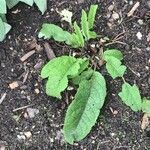
Verbascum chaixii
Nettle-leaf mullein · Nettle-leaved Mullein · Chaix's mullein · Chaix Mullein
Description
Source: leafsnapVerbascum chaixii, the nettle-leaved mullein, is a species of flowering plant in the genus Verbascum, native to Spain, France, Italy (including Sicily), the former Yugoslavia, and Greece. It is considered a good plant to attract pollinators. With Verbascum bombyciferum it is a parent of the 'Pink Domino' cultivar, which has gained the Royal Horticultural Society's Award of Garden Merit.
Care Guide
💧 Water
Nettle-leaved mullein, which typically grows on rocky slopes, does best in well-drained soil with moderate moisture. To support optimal growth, especially during the flowering season, water the plant weekly. This schedule complements natural rainfall, ensuring the plant remains consistently hydrated without being overwatered.
How should I water my Nettle-leaved mullein plant?
To ensure the health of your Nettle-leaved mullein, it is best to water it with filtered water at room temperature. Tap water may contain harmful particles, so filtering it is recommended. The plant prefers warm conditions, so avoid using cold water as it can be a shock. It's also important to avoid watering from above, as this can cause problems with the foliage. Instead, soak the soil with your filtered room temperature water until it is completely saturated. This will benefit the plant by moisturizing the roots and helping them absorb essential nutrients as they continue to spread through the soil.
What should I do if I give my Nettle-leaved mullein too much water or not enough water?
Both overwatering and underwatering can harm your Nettle-leaved mullein, but overwatering is more common. Excessive water can cause wilting and yellowing of the stems and leaves. It can also lead to diseases like root rot, mold, and mildew, which are fatal to the plant. The Nettle-leaved mullein is somewhat drought-tolerant, so underwatering is less likely. However, it can still happen, resulting in brittle and brown leaves. It's important to identify signs of overwatering promptly, as some diseases may become irreversible if not addressed early. Reduce watering if you notice these signs and consider replacing poorly draining soil with a loose, well-draining potting mix. If you see signs of underwatering, simply water more regularly until the plant recovers.
How often should I water my Nettle-leaved mullein plant?
If your Nettle-leaved mullein is in a pot, the easiest way to determine if it needs water is by checking the soil with your finger. If the top two to three inches of soil feel dry, then it's time to water it. For outdoor Nettle-leaved mullein plants planted directly in the ground, you can also use this method. If the first few inches of soil are dry, then it's time to water. Typically, during spring and early fall, watering once a week is sufficient. However, during extremely hot weather, you may need to water twice or more per week. However, it's important to note that mature, well-established Nettle-leaved mullein plants have a remarkable ability to withstand drought.
How much water does my Nettle-leaved mullein require?
When watering your Nettle-leaved mullein, don't hold back on the amount of water you give it. Wait until the top two to three inches of soil are dry, then give it a good, thorough watering. Make sure to soak the soil completely, adding enough water that it starts to drain through the holes at the bottom of the pot. If you don't see any excess water draining, it means you haven't watered enough. However, be careful not to let water accumulate in the soil, as this can harm the plant. If the water isn't draining properly, it may be due to poorly draining soils, which is bad for the plant's health. If the plant is outside, one inch of rain per week is enough.
How do I water my Nettle-leaved mullein as it grows?
The watering requirements of the Nettle-leaved mullein vary depending on its growth stages. When the plant is in its early years or has recently been transplanted, it will require more water than usual. During these stages, the plant focuses on developing new roots to support future growth, and these roots perform best when given slightly more moisture. As the plant matures, it will require less water. Additionally, during the bloom period, the Nettle-leaved mullein may need increased watering as the flower development process requires significant moisture.
☀️ Light Full sun
The nettle-leaved mullein prefers abundant light, which promotes healthy development. It naturally occurs in places that are not shaded. Too much shade or excessively strong light can adversely affect its growth. These sun-loving plants can adjust to different light levels at various stages of their development.
What are the sunlight requirements for nettle-leaved mullein?
Nettle-leaved mullein thrives in environments that provide ample exposure to sunlight, ideally above 6 hours of sunlight daily. It's important to observe how sunlight travels through your garden to find spots that offer a good balance of light and shade, ensuring the plants' well-being. The plant originates from areas where it is not overshadowed, and while it can adapt to various light conditions during different growth stages, both overly shaded areas and excessively strong light can adversely affect its growth.
How does artificial lighting support indoor nettle-leaved mullein plants?
When natural sunlight is not sufficient, especially during winter or in less sunny spaces, artificial lighting can be a vital solution for indoor plants. Indoor nettle-leaved mullein requires adequate lighting to ensure optimal growth. LED lights are recommended as they can be customized to provide specific wavelengths needed by the plants. Full sun plants need 30-50W/sq ft, partial sun plants require 20-30W/sq ft, and full shade plants should have 10-20W/sq ft of artificial light. The light source should be placed 12-36 inches above the plant to mimic natural sunlight, and the duration should match the natural daylight hours, typically 8-12 hours per day.
What are the symptoms of light deficiency or excess in nettle-leaved mullein?
Symptoms of light deficiency include smaller new leaves, leggy or sparse growth, early leaf drop to conserve resources, slower or halted growth, and lighter-colored new leaves indicating insufficient chlorophyll. Excessive sunlight can cause chlorosis (leaves turning yellow), sunscald (pale or necrotic areas on the plant), leaf curling, wilting from increased water loss, and leaf scorching (brown, dry edges on leaves). These symptoms highlight the plant's struggle in inappropriate lighting conditions.
What are the recommended solutions for correcting light issues with nettle-leaved mullein?
To correct light issues for indoor nettle-leaved mullein, gradually move the plant to a sunnier location each week until it receives at least 6 hours of sunlight daily, or use artificial light for at least 8 hours daily. For outdoor plants, also gradually increase sunlight exposure to avoid sunburn. Reducing obstructions like pruning trees can help, and for smaller plants, consider transplanting during the dormant period to a sunnier location. It's crucial to make these changes gently to avoid stressing the plant unnecessarily. While parts of the plant affected by insufficient light may not recover, new growth should be healthy with improved lighting.
🌡️ Temperature 5–35°C
When grown in its native temperate regions, nettle-leaved mullein prefers temperatures of 68 to 95°F (20 to 35°C). Extra care is required if the temperature falls below or rises above that range.
What are the ideal growing temperatures for nettle-leaved mullein?
Nettle-leaved mullein, with its botanic name Verbascum chaixii, thrives in its native temperate regions at temperatures ranging from 68 to 95°F (20 to 35°C). It's important to closely monitor and adjust the plant's environment when temperatures fall below or rise above this comfort range to ensure its health and growth.
Does nettle-leaved mullein need special frost protection during winter?
Nettle-leaved mullein exhibits strong cold resistance and does not usually require special frost protection measures during winter. However, in conditions where winter temperatures are forecasted to drop below -25°C, it's crucial to protect the plant. This can be accomplished by covering it with soil or straw to insulate it against the extreme cold. To assist in its survival through winter and early spring, watering the plant abundantly before the first freeze in autumn to keep the soil moist is also recommended.
How does low temperature affect nettle-leaved mullein, and what are the solutions?
Nettle-leaved mullein is cold-tolerant and performs best in temperatures above 20°C. It should be kept above 0°C during winter. At temperatures falling below -25°C, while there may not be obvious changes during the winter, the plant may experience decreased sprouting or no sprouting at all come springtime. If such a situation occurs, it is advised to remove any parts of the plant that have failed to sprout in the spring as a solution to encourage new growth.
What are the effects of high temperature on nettle-leaved mullein, and how can they be mitigated?
During the summer, it’s essential to ensure that nettle-leaved mullein is kept below 35°C. Exposure to temperatures above 38°C may result in the plant’s leaves becoming lighter, prone to curling, susceptible to sunburn, and, in severe cases, cause the entire plant to wilt and dry out. To mitigate these effects, sunburned and dried parts should be trimmed away. Moving the plant to a shaded location or using a shade cloth to protect it from the midday and afternoon sun can prevent further damage. Additionally, watering the plant in the morning and evening will help keep the soil moist and support the plant’s health during high-temperature periods.
💨 Humidity
🪴 Soil 6-7
🌱 Fertilizer
The ideal time to fertilize a Nettle-leaved mullein is early spring, when it is coming out of dormancy and beginning active growth. Fertilizing supplies essential nutrients for healthy growth. Although Nettle-leaved mullein has relatively low fertilizer requirements, applying fertilizer once a year can improve its survival and encourage better, longer-lasting flowers.
Why should I add fertilizer to my Nettle-leaved mullein?
Fertilization is important for the Nettle-leaved mullein for various reasons. It provides essential nutrients for the plant's growth above and below the ground. Despite that, Nettle-leaved mulleins have relatively low fertilization needs and can sometimes survive well without it. However, annual fertilization can greatly benefit the plant by keeping it alive and promoting the development of better and longer-lasting flowers. Therefore, if you want your Nettle-leaved mullein to thrive, make sure to fertilize it on a yearly basis.
When should I fertilize my Nettle-leaved mullein?
To give your Nettle-leaved mullein the best start for the year, it's ideal to fertilize it in late winter or early spring. This is when the plant is coming out of its dormant phase and starting to grow actively. Fertilizing at this time promotes healthy growth. Fertilizing in the early spring is generally the most beneficial, but it's also possible to fertilize in the fall. However, it's not recommended to feed the mullein during summer or winter.
When is the best time to not fertilize my Nettle-leaved mullein?
It is best to fertilize your Nettle-leaved mullein in the late winter or early spring. This plant doesn't require much fertilization, so a single annual feeding should be enough. If you continue to fertilize during the spring, summer, and fall, you risk overfertilization and all the associated problems. The only exception is if you didn't fertilize in the spring, in which case it is okay to feed the plant in the fall. Additionally, it is not necessary to fertilize during the winter. The Nettle-leaved mullein is in a dormant phase during this time and doesn't undergo new growth. Therefore, it is not recommended to fertilize in most of the winter.
What kind of fertilizer does my Nettle-leaved mullein require?
When fertilizing a Nettle-leaved mullein, any general-purpose fertilizer with a balanced mix of the three main plant nutrients will work well. However, there are specific nutrient blends that can be even more beneficial. Many gardeners believe that higher amounts of phosphorus promote stronger roots and better flowers. Since Nettle-leaved mullein is a flowering plant, using a phosphorus-rich fertilizer may be the best choice. Whether you choose a granular or liquid fertilizer, ensure it contains plenty of nutrients. Additionally, you can improve the soil for your Nettle-leaved mullein by using organic methods such as compost, manure, or similar materials. These will help create a healthy growing medium for your plant.
How can I fertilize my Nettle-leaved mullein plant?
To fertilize a Nettle-leaved mullein, the most common method is to use granular or pellet fertilizer and apply it to the soil surrounding the plant. It is important to fertilize when the plant transitions from its dormant winter phase to its active growth phase. In early spring, wait for shoots to emerge from the soil before applying fertilizer. Alternatively, some people prefer to use liquid fertilizer, which should be diluted with water before application. Regardless of the fertilizer type, it is recommended to moisten the soil before, during, and after applying it.
🪴 Pot & Repot
✂️ Pruning
The nettle-leaved mullein is characterized by tall spikes and woolly leaves, and it thrives with careful pruning. To maintain its shape and encourage blooming, prune the plant from early to late spring. Thinning out crowded sections can improve air circulation and reduce the risk of disease, leading to a healthier and more vibrant display.
🌿 Propagating
🐛 Diseases & pets
☠️ Toxicity
Characteristics
- Plant Type
- Herb
- Life Cycle
- Perennial, Biennial
- Genus
- Verbascum
- Family
- Scrophulariaceae
- Hardiness Zone
- 5-9
- Mature Height
- 91 cm
- Mature Spread
- 46 cm
- Leaf Color
- Green, Silver, Blue, Gray
- Leaf Type
- Semi-evergreen
- Flower Color
- White, Yellow
- Flower Size
- 2.03 cm to 3.05 cm
- Bloom Time
- Summer
- Planting Time
- Spring, Summer, Autumn
- Harvest Time
- Late summer, Early fall, Mid fall