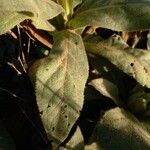
Verbascum phlomoides
Wooly Mullein · Woolly Mullein · Orange mullein · Mullein · Pale yellow mullein
Description
Source: leafsnapVerbascum phlomoides, the orange mullein, wooly mullein (which often refers to Verbascum thapsus), or clasping-leaf mullein, is a plant species in the family Scrophulariaceae native to Europe and Asia Minor. It is a widespread weed in North America. The Royal Horticultural Society considered it to be a good plant to attract pollinators. It is used as a respiratory catarrh and diuretic.
🌳 Hoary mullein acts as a bioindicator, indicating the presence of particular soil conditions such as high mineral content.
Care Guide
💧 Water
Orange mullein is well-suited to the dry, rocky soils of Europe and requires minimal watering—about once a week. This plant prefers a well-draining substrate and needs consistent moisture during its active growth period in order to support flower development. As a biennial herb, it is best cultivated outdoors.
How should I water my Orange mullein plant?
To properly water your Orange mullein plant, it is important to follow a few guidelines. Firstly, use filtered water that is at room temperature. Tap water may contain harmful particles, so filtered water is preferable. Secondly, make sure the water is not cold, as the Orange mullein is used to warm environments and cold water can be shocking for it. Additionally, avoid watering from above, as this can cause problems with the foliage. Instead, apply the filtered, room temperature water directly to the soil until it is fully soaked. This method benefits the plant by moistening the roots and facilitating the spread and collection of nutrients throughout the soil.
What should I do if I give my Orange mullein too much or too little water?
The health of your Orange mullein can be negatively affected by both overwatering and underwatering. However, overwatering is a more common issue. When this plant receives too much water, its stems and leaves may wilt and turn yellow. Prolonged overwatering can also lead to diseases like root rot, mold, and mildew, which can be fatal for your plant. Underwatering is less common for the Orange mullein due to its drought tolerance. However, it is still possible, and in such cases, you may notice brittle and brown leaves. It is important to identify signs of overwatering early as some diseases like root rot cannot be reversed if not addressed quickly. If you notice early signs, reduce your watering schedule and check the quality of the soil. If the soil drains poorly, replace it with a loose and well-draining potting mix. On the other hand, if you observe signs of insufficient water, increase the frequency of watering until the signs disappear.
How often do I need to water my Orange mullein?
If your Orange mullein plant is in a pot, you can determine if it needs water by checking the soil. Stick your finger into the soil and if the top two to three inches are dry, it's time to water it. If you're growing your Orange mullein plant outdoors in the ground, you can use the same method to test the soil. Once again, if the first few inches of soil have dried out, it's time to water it. Typically, during the spring and early fall, you'll need to water this plant about once a week using this method. However, in extremely hot weather, you may need to water it twice a week or even more. It's worth mentioning that mature, well-established Orange mullein plants have the ability to withstand drought.
How much water does my Orange mullein require?
To properly water your Orange mullein, make sure you give it plenty of water. Wait until the top two to three inches of soil are dry, then give the plant a thorough watering, making sure to soak the entire soil. The amount of water you add should be enough to cause excess water to flow out through the drainage holes at the bottom of the pot. If you don't see excess water draining, you probably haven't watered enough. However, be careful not to let water accumulate in the soil, as this can harm the plant. On the other hand, if water doesn't drain properly from the pot, it could indicate poor soil drainage, which is bad for the plant's health. If the plant is outside, it should receive about 1 inch of rain per week, which is enough.
How do I water my Orange mullein at different stages of growth?
The water requirements of the Orange mullein can vary depending on its growth stages. In the first few years or when newly transplanted, it will need more water to support root development and future growth. As the plant matures, it will require less water. Additionally, during the blooming period, extra water may be needed to aid in flower development.
☀️ Light Full sun
Hoary mullein prefers spots that get plentiful sunlight, which are best for its robust growth. In its natural habitat this plant does well under direct, unshaded sun. Any departure from that light condition, whether increased or decreased, can harm its health and development.
What are the sunlight requirements for Orange Mullein?
Orange Mullein requires full sun, meaning it should receive above 6 hours of sunlight daily. It's important to watch how sunlight moves through your garden, choosing spots that provide a perfect balance of light and shade for your plants. This ensures their happiness and promotes healthy growth, similar to its natural habitat in open fields and slopes.
How does artificial lighting benefit indoor Orange Mullein plants?
Indoor Orange Mullein plants require adequate lighting for optimal growth. When natural sunlight is insufficient, artificial lights offer a vital solution, promoting faster, healthier growth. LED lights are a popular choice because they can be customized to provide specific wavelengths of light that your plants need. Full sun plants need 30-50W/sq ft of artificial light, partial sun plants need 20-30W/sq ft, and full shade plants need 10-20W/sq ft. The light source should be placed 12-36 inches above the plant, mimicking natural sunlight for 8-12 hours per day.
What symptoms indicate Orange Mullein is experiencing light deficiency?
Symptoms of light deficiency in Orange Mullein include smaller new leaves than the previous ones, leggy or sparse growth, early leaf drop to conserve resources, delayed growth or survival mode due to poor light conditions causing a halt in new leaf production, and irregular color patterns or pale leaves indicating a lack of chlorophyll. Additionally, chlorosis, sunscald, leaf curling, wilting, and leaf scorching can occur due to excessive sunlight, affecting the plant’s health.
How can light exposure be optimized for Orange Mullein?
To optimize light exposure for Orange Mullein, gradually move plants to a sunnier location to receive at least 6 hours of direct sunlight daily, especially if using a south-facing window. If the plant is large or not easily movable, consider using artificial light with a desk or ceiling lamp on for at least 8 hours daily, or invest in professional plant grow lights. Reduce obstructions by pruning trees or branches that block sunlight, and for smaller plants, consider transplanting during the dormant period to a location with ample sunlight and good drainage.
🌡️ Temperature 20–35°C
Hoary mullein prefers temperatures between 68 and 95 °F (20 and 35 °C), consistent with its natural habitat. Depending on the season, temperature adjustments may be needed to maintain its health.
What is the ideal climate for orange mullein?
Orange mullein thrives in a moderate climate with temperatures ranging from 68 to 95°F (20 to 35°C). It adapts well to summer heat, but during colder seasons, it's advisable to ensure the environment is kept within this comfort zone. Despite its strong cold resistance, in winters where temperatures might drop below -25°C, protective measures should be taken, such as covering the plant with soil or straw. It's also recommended to water the plant abundantly before the first freeze in autumn, to keep the soil moist, helping prevent drought and water scarcity during winter and early spring.
How does orange mullein react to low temperatures?
Orange mullein is cold-tolerant, performing best when temperatures stay above 20°C and should be maintained above 0°C during winter. If temperatures fall below -25°C, there might not be noticeable changes during winter, but there could be a decrease in sprouting or even a complete lack of sprouting in springtime. To address this issue, in spring, remove any parts of the plant that failed to sprout.
What should be done if orange mullein is exposed to high temperatures?
During summer, it's crucial to ensure orange mullein's temperature doesn't exceed 35°C. Exposure to temperatures above 38°C can cause the leaves to lighten in color, curl, become susceptible to sunburn, and, in severe cases, lead to the entire plant wilting and dying. To mitigate these issues, trim away sunburned and dried-up parts of the plant, move it to a shaded location away from the midday and afternoon sun, or use a shade cloth for protection. Additionally, watering the plant in the morning and evening can help keep the soil moist and prevent heat stress.
💨 Humidity
🪴 Soil 6-7
🌱 Fertilizer
Hoary mullein requires regular fertilization to encourage flowering but is sensitive to overfertilizing. It needs light, frequent applications of fertilizer throughout its lifespan, especially during the peak of active growth and while it is in bloom. Continue feeding your hoary mullein until it stops flowering.
🪴 Pot & Repot
✂️ Pruning
Orange mullein features tall spikes of bright orange flowers and fuzzy leaves. To maintain its health and appearance, prune the plant from early to late spring by removing spent flower spikes and old growth. This encourages the emergence of new shoots. Additionally, trim any dead foliage to promote the plant's overall health. Make sure to use clean tools to prevent the spread of disease. Proper pruning not only enhances air circulation but also improves the plant's vigor.
🌿 Propagating
🐛 Diseases & pets
☠️ Toxicity
Verbascum phlomoides seeds contain the insecticide and fish poison rotenone. While rotenone is relatively safe in humans, it does present some toxic risks.
Characteristics
- Plant Type
- Herb
- Life Cycle
- Biennial
- Genus
- Verbascum
- Family
- Scrophulariaceae
- Hardiness Zone
- 9
- Mature Height
- 0.49 m to 2.13 m
- Mature Spread
- 30 cm to 61 cm
- Leaf Color
- Light Gray
- Leaf Type
- Semi-evergreen
- Flower Color
- Yellow
- Flower Size
- 2.03 cm to 2.54 cm
- Bloom Time
- Early summer, Mid summer
- Planting Time
- Spring, Summer
- Harvest Time
- Mid summer
- Native Area
- Romania, Montenegro, Bulgaria, Greece, Croatia, Slovenia, Serbia, Germany, Portugal, Italy, Spain, Switzerland, Albania, United Kingdom, Hungary, Belgium, France