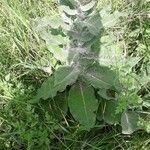
Verbascum pulverulentum
گل ماهور، خرگوشک · Broad-leaf mullein · Hoary Mullein · Kargoshak
Description
Source: leafsnapVerbascum pulverulentum, the hoary mullein or broad-leaf mullein, is a species of flowering plant in the family Scrophulariaceae. It is native to central and southern Europe, and has been introduced to Austria, Madeira, and Washington state in the US. It is a specialist on coastal shingle, and so is preadapted to human-influenced habitats such as old quarries and gravel pits, road verges, railway embankments, and similar disturbed stony ground.
🌳 Hoary mullein acts as a bioindicator, indicating the presence of particular soil conditions such as high mineral content.
Care Guide
💧 Water once a week
Hoary mullein thrives with moderate hydration, preferring consistent moisture without becoming overly saturated. To maintain this balance, water the plant weekly. Its growth is strongly influenced by seasonal rainfall patterns, flourishing during periods of higher precipitation that are typical of its native temperate regions.
How should I water my Hoary mullein?
To ensure the health of the Hoary mullein, it is recommended to use filtered water at room temperature or slightly warmer. Tap water may contain harmful particles, so filtered water is safer. Since the Hoary mullein is accustomed to a warm climate, cold water can be a shock to its system. It is best to avoid overhead watering as it can cause problems with the foliage. Instead, simply pour the filtered room temperature water directly onto the soil until it is fully saturated. This will provide benefits for the plant by moisturizing the roots and aiding in the absorption of essential nutrients.
What do I do if I give my Hoary mullein too much water or too little water?
Both overwatering and underwatering can harm your Hoary mullein plant, but overwatering is more common and can cause wilting, yellowing leaves, and potential diseases like root rot, mold, and mildew. Underwatering is less likely since Hoary mullein is drought-tolerant, but it can lead to brittle, brown leaves. It's crucial to detect overwatering early to prevent irreversible damage like root rot. If you notice signs of overwatering, reduce watering immediately and consider replacing the poorly draining soil with a loose, well-draining potting mix. If signs of underwatering appear, simply water more regularly until the plant recovers.
How often should I water my Hoary mullein plant?
If your Hoary mullein is in a pot, the best way to determine if it needs water is by checking the moisture level of the soil. Stick your finger in the soil and if the top two to three inches are dry, it's time to water the plant. Similarly, if you have your Hoary mullein planted directly in the ground outside, you can use the same method to test the soil. Once you find that the top few inches of soil have dried out, it's time to give it some water. Typically, during the spring and early fall, watering once a week will be sufficient. However, in extremely hot weather, you may need to water the plant twice or more per week. It's important to note that mature, well-established Hoary mulleins are quite resilient and can tolerate drought conditions.
How much water does my Hoary mullein plant need?
When watering your Hoary mullein, make sure you give it plenty of water. Check if the top few inches of soil are dry, and if so, water it thoroughly until the soil is completely soaked. The water should flow out of the drainage holes at the bottom of the pot. If you don't see excess water draining, you may have not given enough water. Avoid letting water accumulate in the soil, as this can harm the plant. If you're watering the plant outdoors, 1 inch of rain per week is enough.
How do I water my Hoary mullein at different stages of growth?
The water requirements of the Hoary mullein depend on its growth stages. In the first few years or after transplanting, it needs more water to support root development for future growth. As it matures, it requires less water. Additionally, during the bloom period, extra water may be needed due to the significant moisture use in flower development.
☀️ Light Full sun
Hoary mullein prefers spots that get plentiful sunlight, which are best for its robust growth. In its natural habitat this plant does well under direct, unshaded sun. Any departure from that light condition, whether increased or decreased, can harm its health and development.
What are the sunlight requirements for Hoary mullein?
Hoary mullein requires full sun conditions, thriving best when exposed to more than 6 hours of sunlight daily. It is crucial to observe how sunlight moves through your garden and select locations that ensure a balance of light and shade, optimizing the plant's health and growth.
How important is sunlight for the growth of Hoary mullein?
Sunlight plays a critical role in the growth and health of Hoary mullein. This plant prefers areas with extensive exposure to sunlight, as it is accustomed to thriving under clear, unobstructed sun in its natural habitat. Any significant deviation from these light conditions can negatively affect its health and development.
Can artificial lighting be used for Hoary mullein, and how?
Yes, artificial lighting can be a vital solution for Hoary mullein, especially when natural sunlight is insufficient. For optimal growth, indoor plants may require 30-50W/sq ft of artificial light for full sun conditions, 20-30W/sq ft for partial sun, and 10-20W/sq ft for full shade. LED lights are recommended due to their ability to provide specific wavelengths needed by plants. The light source should be placed 12-36 inches above the plant to mimic natural sunlight, and plants typically need 8-12 hours of light per day.
What are some common symptoms of inadequate light in Hoary mullein?
When Hoary mullein receives inadequate light, several symptoms may appear, including small new leaves, leggy or sparse growth, faster leaf drop, slower or ceased new growth, lighter-colored new leaves, chlorosis, sunscald, leaf curling, wilting, and leaf scorching. These symptoms indicate either a deficiency or excess of light, impacting the plant's overall health.
How can I address light-related issues for an indoor or outdoor Hoary mullein?
For indoor Hoary mulleins, gradually increase sunlight exposure to at least 6 hours daily using a south-facing window or supplement with artificial light for at least 8 hours daily. For outdoor plants, move them gradually to sunnier locations to prevent sunburn. If obstructions like trees block sunlight, consider pruning or transplanting to better-lit locations. Note that parts of the plant affected by poor light may not recover, but new growth will be healthy with improved light conditions.
🌡️ Temperature 20–35°C
Hoary mullein prefers temperatures between 68 and 95 °F (20 and 35 °C), consistent with its natural habitat. Depending on the season, temperature adjustments may be needed to maintain its health.
What temperature does Hoary mullein thrive in?
Hoary mullein thrives in temperatures ranging from 68 to 95 °F (20 to 35 °C), which reflects its preference based on its natural habitat. It shows some cold tolerance, generally not requiring additional measures if the temperature stays above 0°C. Nonetheless, in anticipation of temperatures dropping below 0°C, temporary cold protection steps, such as wrapping the plant with plastic, fabric, or other materials, are advisable. These protective measures should be removed once temperatures rise to ensure the plant's health.
How does Hoary mullein react to low temperatures?
Hoary mullein has a moderate tolerance for low temperatures and does best when kept above 20°C. During the winter months, it's important to maintain a temperature above 0°C to avoid stress to the plant. Exposure to temperatures below -5°C may cause the leaves to droop; they might recover in mild cases but can wilt and fall off in severe instances. To protect Hoary mullein from frost damage, trim the affected parts and wrap the plant with non-woven fabric or cloth. Additionally, erecting a wind barrier can help shield it from cold winds.
How does Hoary mullein react to high temperatures?
In the summer, it's crucial to keep the Hoary mullein's environment below 35°C to prevent heat stress. When temperatures soar above 38°C, the plant may experience symptoms such as lighter leaf color, dry and withered leaf tips, curled leaves, and increased susceptibility to sunburn. Solutions include trimming away sunburned and dried parts of the plant, moving it to a shaded area during the peak sun hours, or using a shade cloth to mitigate direct sunlight. Additionally, watering the plant in the morning and evening helps keep the soil adequately moist.
💨 Humidity
🪴 Soil 6-7
🌱 Fertilizer
Hoary mullein requires regular fertilization to encourage flowering but is sensitive to overfertilizing. It needs light, frequent applications of fertilizer throughout its lifespan, especially during the peak of active growth and while it is in bloom. Continue feeding your hoary mullein until it stops flowering.
🪴 Pot & Repot
✂️ Pruning
To ensure a healthy and vibrant hoary mullein, proper pruning is essential and is best carried out from early to late spring. Begin by removing any dead or damaged stems, and cut back the flower stalks after they have bloomed to prevent seedlings from forming. This practice improves airflow and sunlight exposure, encouraging lively blooms and a healthier appearance while also reducing the risk of disease.
🌿 Propagating
🐛 Diseases & pets
☠️ Toxicity
Mullein plants contain toxic principles that are potentially harmful to people and pets. These can be found in the root, seeds, and leaves. Although some people may use mullein for medicinal purposes with minimal risk of side effects, a higher concentration can cause reactions, like irritation, itching, and rashes.
Characteristics
- Plant Type
- Herb
- Life Cycle
- Biennial
- Genus
- Verbascum
- Family
- Scrophulariaceae
- Hardiness Zone
- 9
- Mature Height
- 0.49 m to 2.13 m
- Mature Spread
- 30 cm to 61 cm
- Leaf Color
- Light Gray
- Leaf Type
- Semi-evergreen
- Flower Color
- Yellow
- Flower Size
- 2.03 cm to 2.54 cm
- Bloom Time
- Early summer, Mid summer
- Planting Time
- Spring, Summer
- Harvest Time
- Mid summer
- Native Area
- Romania, Montenegro, Bulgaria, Greece, Croatia, Slovenia, Serbia, Germany, Portugal, Italy, Spain, Switzerland, Albania, United Kingdom, Hungary, Belgium, France