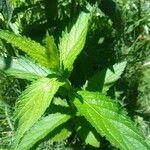
Verbena brasiliensis
Brazilian vervain · Brazil vervain · Purpletop vervain
Description
Source: leafsnapVerbena brasiliensis, commonly known as Brazilian verbena, is a perennial flowering plant in the Verbenaceae family. Native to Brazil, it also thrives in other parts of South America. This plant grows up to 1 meter in height, featuring slender stems and small green leaves arranged opposite each other. The flowers of Verbena brasiliensis are small and tubular, each with five petals that come in shades of pink, purple, blue, or white. Blooming from late spring through summer, these flowers attract butterflies and bees, aiding in pollination. Verbena brasiliensis prefers full sun exposure but can tolerate partial shade. It thrives in well-draining soil with moderate moisture levels. Once established, the plant is quite hardy and can withstand drought conditions. In traditional medicine, the leaves of Verbena brasiliensis have been used for their anti-inflammatory properties to treat skin conditions such as eczema and psoriasis. Overall, Verbena brasiliensis is an attractive perennial that adds vibrant color to any garden or landscape. It benefits pollinators and holds potential medicinal uses, making it a valuable addition to any setting.
🌳 Brazilian vervain is more than just decorative; it also plays a key role in supporting butterfly populations by providing an important source of nectar. This trait makes Brazilian vervain a vital plant for butterfly gardening, promoting a diverse ecosystem for pollinators that, in turn, helps sustain wider ecological health.
🎭 Magic
Care Guide
💧 Water Every 7 days
Brazilian vervain thrives in tropical rainforests where there is high humidity and regular moisture. To mimic its natural environment, it needs to be watered weekly. Being an evergreen plant, it retains water throughout the year, which makes it more resistant to drought compared to deciduous varieties.
How can I know if I am giving enough water to my Brazilian vervain?
Avoiding overwatering your Brazilian vervain can be somewhat difficult since these plants have deep roots that need weekly soil moisture. However, it's important to note that Brazilian vervain is highly vulnerable to root rot and may also develop browning due to excessive watering. Underwatering is less of a concern for Brazilian vervain as they can tolerate periods without supplemental watering. However, if you wait too long to water the plant, it may start wilting and exhibit dry leaves.
What's the difference between watering Brazilian vervain inside and outside?
Most Brazilian vervain prefer to be grown outdoors for a few reasons. Firstly, these plants tend to grow quite tall, making indoor spaces less suitable. Secondly, Brazilian vervain requires more daily sunlight than most indoor locations can provide. However, if you do manage to find an ideal indoor growing spot, be aware that you may need to water your Brazilian vervain more often compared to an outdoor setting. This is because indoor locations are typically drier due to HVAC units, and soil in containers can dry out quickly too.
☀️ Light Full sun
Brazilian vervain performs best in strong light, which encourages vigorous growth. Native to sun-rich habitats, it can also tolerate places with moderate sunlight. Excessive exposure may not significantly damage the plant, but insufficient light could potentially impede its healthy development.
What are the sunlight requirements for Brazilian vervain?
Brazilian vervain requires full sun, meaning it thrives in locations that receive above 6 hours of sunlight daily. It can also tolerate partial sun, which amounts to about 3-6 hours of sunlight. When planning where to place your garden, consider the movement of sunlight through the area to ensure a mix of light and shade that suits the needs of your plants, including the Brazilian vervain. Observing your garden's sun exposure carefully will help ensure the happiness and health of your plants.
How does Brazilian vervain respond to light, and what are essential lighting tips?
Originating from brightly lit environments, Brazilian vervain performs best under intense light exposure, which promotes vigorous growth. Although it can manage moderate sunlight, insufficient light may hinder its growth. If natural sunlight is lacking, especially in winter or in spaces that don't get much sun, using artificial lights can effectively supplement light exposure, promoting healthier growth. LED lights are recommended for their customizable wavelengths and energy efficiency. For full sun plants, 30-50W/sq ft of artificial light is ideal, partial sun plants require 20-30W/sq ft, and full shade plants need 10-20W/sq ft. Place the light source 12-36 inches above the plant to mimic the conditions of natural sunlight and ensure to provide 8-12 hours of light per day to meet the needs of most plants.
What are symptoms of inadequate or excessive light exposure in Brazilian vervain?
When Brazilian vervain experiences insufficient light, it may show several symptoms such as small leaves, leggy or sparse growth, accelerated leaf drop, slower or halted growth, lighter-colored new leaves, and chlorosis—where leaves lose their vibrant green. Conversely, excessive sunlight can lead to sunscald, leaf curling, wilting, and leaf scorching, indicating damage from overexposure. Recognizing these symptoms early can help in adjusting light conditions to better suit the needs of Brazilian vervain, ensuring its health and vitality.
How can you address lighting issues for Brazilian vervain, both indoors and outdoors?
To address lighting issues for Brazilian vervain indoors, gradually move the plant to sunnier spots until it gets at least 6 hours of direct sunlight daily, ideally near a south-facing window. If moving the plant isn't feasible, consider supplementing with artificial lighting, keeping a lamp on for about 8 hours a day or investing in professional grow lights for adequate exposure. Outdoors, gradually increase the plant's exposure to sunlight to avoid sunburn. Note that parts already affected by poor lighting may not recover, but new growth will be healthier with improved light conditions. For ground plants with sunlight obstruction, removing barriers and possibly transplanting to sunnier locations during dormant periods can enhance light access.
🌡️ Temperature 5–35°C
Brazilian vervain prefers a warm growing environment, native to regions where temperatures commonly fall between 68 and 95 °F (20 to 35 ℃). In colder months, take steps to maintain that temperature range, for instance by moving the plant indoors or providing insulating cover.
What is the preferred growth environment for Brazilian vervain?
Brazilian vervain, known botanically as Verbena brasiliensis, thrives in warm environments typical of temperatures ranging from 68 to 95 °F (20 to 35 °C). Originating from climates within this temperature range, it requires similar conditions to grow optimally. During the colder seasons, to maintain this temperature range, it might be necessary to bring the plant indoors or use insulating cover to protect it. Despite its strong cold resistance, additional cold protection measures should be taken if winter temperatures are expected to drop below -30°C, such as covering the plant with soil or straw. Additionally, watering the plant abundantly before the first freeze of autumn is recommended to ensure the soil remains moist and enters a frozen state, which helps prevent drought and water scarcity during winter and early spring.
How does Brazilian vervain react to low temperatures?
Brazilian vervain is notably cold-tolerant and prefers temperatures above 20°C for optimal growth. During winter, it is crucial to keep the plant in conditions above 0°C to prevent damage. Should temperatures plummet below -30°C, Brazilian vervain may not exhibit noticeable changes during the winter itself, but come spring, there may be a significant decrease in sprouting or a complete lack thereof. To manage this, it is advisable to remove any parts of the plant that have failed to sprout in spring, aiding in the plant's recovery and continued growth.
How should Brazilian vervain be cared for during high temperatures?
During the summer months, keeping Brazilian vervain below 35°C is essential to avoid heat stress. Should temperatures rise above 38°C, it may result in the plant's leaves becoming lighter in color, curling, and becoming susceptible to sunburn. In severe cases, the plant may wilt and dry out completely. To mitigate these effects, trim away any sunburned and dried up parts of the plant. Relocating the plant to a shaded area or using a shade cloth can protect it from the harsh midday and afternoon sun. Adequate watering in the morning and evening is also crucial to keep the soil moist and prevent the plant from drying out.
💨 Humidity
🪴 Soil 6-7
🌱 Fertilizer
When most of the Brazilian vervain blooms have opened to full size, resume fertilizing. At the time of peak bloom, begin fertilizing once every three to four weeks, as weather permits. Then, after the vervain starts producing fewer new blooms, stop fertilizing — there's no need to fertilize when the plant can't produce any more blooms.
🪴 Pot & Repot
✂️ Pruning
Brazilian vervain is a tall perennial plant known for its lavender flowers. For optimal growth, it benefits from early spring pruning, which encourages branching. It's also important to trim any dead stems to improve air circulation and reduce the risk of disease. Removing spent blooms can extend the flowering period and prevent the plant from self-seeding. Additionally, thinning out congested areas helps maintain a healthy structure.
🌿 Propagating
🐛 Diseases & pets
☠️ Toxicity
Characteristics
- Plant Type
- Herb
- Life Cycle
- Annual, Perennial
- Genus
- Verbena
- Family
- Verbenaceae
- Hardiness Zone
- 4-9
- Mature Height
- 0.91 m to 1.83 m
- Mature Spread
- 30 cm to 91 cm
- Leaf Color
- Green
- Leaf Type
- Semi-evergreen
- Flower Color
- Lavender
- Flower Size
- 0.25 cm to 0.51 cm
- Bloom Time
- Late spring, Summer
- Planting Time
- Autumn, Winter, Spring
- Harvest Time
- Summer, Early fall