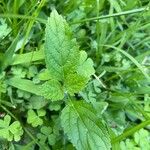
Verbena urticifolia
White vervain · Burvine · Nettle-leaf vervain · Large-Flowered Verbena · Nettle-leaved Vervain
Description
Source: leafsnapVerbena urticifolia, commonly known as nettle-leaved vervain, is a perennial herbaceous plant in the Verbenaceae family. Native to North America, it thrives in diverse habitats such as prairies, meadows, and open woods. This plant can reach up to 3 feet in height and features branching stems with opposite, serrated, and hairy leaves. The flowers of Verbena urticifolia are small, with five petals that vary in color from pale pink to lavender. Blooming from June through September, these flowers attract pollinators including bees, butterflies, and hummingbirds. For centuries, Native Americans have utilized Verbena urticifolia for its medicinal properties. It was traditionally used to treat various ailments, such as headaches, fever, and respiratory issues like asthma and bronchitis. In landscaping, Verbena urticifolia is valued for its attractive appearance, especially when planted en masse or mixed with other wildflowers. It flourishes in full sun but can also tolerate some shade, provided the soil is well-drained. Overall, Verbena urticifolia is a valuable wildflower that offers both aesthetic appeal in landscaping and medicinal benefits, making it a significant component of North American flora.
🎭 Magic
Care Guide
💧 Water Every 7 days
White vervain thrives in moist environments, requiring consistent soil moisture without becoming waterlogged. It has moderate drought tolerance, so maintaining a balance between hydration and drainage is important. For optimal health, water it weekly. If grown outdoors, it can benefit from natural rainfall during the growing season.
How should I water my White vervain plant?
To properly water the White vervain, follow these steps for optimal plant health. Firstly, use filtered water that is at room temperature. This is preferred over tap water as tap water may contain harmful particles. The White vervain originates from a warm environment, so it is important to avoid using cold water as it may shock the plant. Secondly, refrain from overhead watering to prevent any issues with the foliage. Instead, apply the filtered room temperature water directly to the soil. It is important to soak the soil completely as this helps to moisten the roots and allows them to spread and collect necessary nutrients.
What should I do if I give my White vervain plant too much water or too little water?
Both overwatering and underwatering can harm your White vervain plant. However, overwatering is more common and can cause wilting, yellowing of the stems and leaves, and diseases like root rot, mold, and mildew that can be fatal to the plant. While underwatering is less likely, it can still happen, causing the leaves to become brittle and brown. It's important to be vigilant for signs of overwatering to prevent irreversible damage. If you notice early signs, reduce watering immediately and consider improving the soil drainage. If the plant shows signs of underwatering, simply water more regularly until the symptoms improve.
How frequently should I water my White vervain?
If your White vervain plant is in a pot, the most accurate way to determine if it needs water is by sticking your finger into the soil. When the top two to three inches of soil are dry, it's time to add water. For outdoor White vervain plants grown in the ground, you can use a similar method to test the soil. Once the top few inches of soil have dried out, it's a sign to water the plant. This testing method usually results in watering the plant once a week during spring and early fall. However, during hot weather, you may need to water the plant twice or more per week. Keep in mind that mature and well-established White vervain plants have impressive drought tolerance.
How much water does my White vervain plant need?
To properly water your White vervain, don't hold back on the amount of water you provide. Make sure the top two to three inches of soil are dry before giving it a good, thorough watering. Water it enough so that the soil becomes completely soaked. You'll know you've added enough water when excess water starts flowing out of the drainage holes at the bottom of the pot. If you don't see any excess water draining out, it means you haven't watered the plant enough. However, be careful not to let water accumulate in the soil as it can harm the plant. On the other hand, if no water drains through the pot, it could indicate that the soil doesn't drain well, which is not ideal for this plant's health. If the plant is outside, one inch of rain per week should be sufficient.
How do I water my White vervain at different stages of growth?
The water requirements of the White vervain vary depending on its growth stages. When the plant is in its early years or has just been transplanted, it needs more water than usual. During these stages, the White vervain focuses on growing new roots to support future growth, and these roots require extra moisture. As the plant matures, it will need less water. Additionally, during the bloom period, the plant may require more water due to the significant moisture needed for flower development.
☀️ Light Partial sun
White vervain prefers moderate sunlight, which helps it thrive, although plenty of sun does not impair its growth. Coming from environments with a range of light levels, this plant can tolerate strong sun even though it does not need it. Too little sun, however, can restrict its growth and reduce its health.
What are the sunlight requirements for plants?
Plants have varied sunlight requirements to thrive. Partial sun plants need about 3-6 hours of sunlight daily, while full sun plants require more than 6 hours of sunlight. Observing how sunlight moves through your garden helps in placing plants in spots that offer the right balance of light and shade, ensuring their growth and health.
How does white vervain respond to different light conditions?
White vervain, or Verbena urticifolia, does well with moderate exposure to sunshine, promoting its growth without necessitating copious sunlight. This versatility stems from its origin in habitats with variable lighting, allowing it to endure strong sunlight yet not be dependent on it. However, insufficient sunlight can impair its health and growth.
What is the role of artificial lighting for indoor plants?
Artificial lighting becomes crucial when natural sunlight is inadequate, especially during winter or in less sunny spaces. It supports optimal growth by providing essential light, with LED lights being a popular choice due to their adjustability to fulfill specific plant needs. Full sun plants typically require 30-50W/sq ft, partial sun plants need 20-30W/sq ft, and full shade plants should have 10-20W/sq ft of artificial light. Positioning the light source 12-36 inches above the plants for 8-12 hours mimics natural sunlight conditions, promoting healthier growth.
What are the symptoms of light deficiency in white vervain?
When white vervain is grown indoors under insufficient light, it may exhibit several symptoms. These include smaller new leaves, leggy or sparse growth, early leaf drop, delayed or no growth, and changes in leaf color such as lighter hues or irregular patterns. Insufficient sunlight affects the plant's chlorophyll and nutrient absorption, leading to these growth challenges.
How can you address sunlight-related issues in plants?
To optimize plant growth in response to sunlight-related issues, indoor plants can gradually be moved to sunnier spots or supplemented with artificial light if they're large or not easily movable. Outdoors, it's advisable to gradually transition plants to better sunlight spots to prevent sunburn. Pruning obstructions like tree branches, or transplanting smaller plants during their dormant period to sunnier locations with good drainage can also help in maximizing sunlight exposure and enhancing plant health.
🌡️ Temperature 0–35°C
White vervain prefers a temperature range of 32 to 95 ℉ (0 to 35 ℃). It flourishes in its native habitat where temperatures stay warm during the growing season and remain mild in winter. Recommendations for altering temperatures between seasons are not necessary for this plant.
What temperature range is ideal for White vervain?
White vervain thrives best within a temperature range of 32 to 95°F (0 to 35°C), which matches its native growth environment. The plant enjoys warm temperatures during the growing season and prefers milder conditions during winter. It has strong cold resistance, so there usually isn't a need for special frost protection measures. However, if temperatures are expected to drop below -35°C, it's important to protect the plant by covering it with materials like soil or straw and watering it abundantly before the first freeze in autumn to ensure the soil stays moist. This preparation helps prevent drought and water scarcity for the plant during the colder months.
How does White vervain handle low temperatures?
White vervain is notably cold-tolerant, performing best when temperatures stay above 0°C. Throughout the winter, it's crucial to maintain temperatures above -30°C for the plant. If temperatures plunge below -35°C, you might not observe immediate changes during winter, but there could be a noticeable decrease in sprouting or a complete lack of sprouting come spring. If this occurs, the recommended solution is to remove any portions of the plant that failed to sprout in spring.
How should you care for White vervain in high temperatures?
During the summer months, it's essential to ensure the temperature around White vervain does not exceed 35°C. If temperatures soar above 38°C, the plant's leaves may start to lighten in color, curl, become prone to sunburn, and in extreme cases, the entire plant may wilt and dry out. To combat these issues, trim away any sunburned or dried-up parts of the plant. Relocate the plant to a shaded area, especially during the peak sun of midday and afternoon, or use a shade cloth to provide protection. Adequate watering in the morning and evening will also help keep the soil moist and support the plant's wellbeing during hot spells.
💨 Humidity
🪴 Soil 6-7
🌱 Fertilizer
A single fertilizer application in spring is typically enough for White vervain, although repeated feedings can help maximize growth. Apply fertilizer roughly once every month to a month and a half. Fertilizing improves the leaves' appearance and function, helping maintain uniform color and a healthy texture. It also promotes root development and better nutrient uptake for the plant's long-term health.
🪴 Pot & Repot Every 12 months
✂️ Pruning
White vervain can grow to heights between 10 cm and 140 cm and spread as wide as 2 meters. It blooms from early summer to mid-winter. To maintain its shape and encourage flowering, it's important to prune the plant regularly. During the summer, prune monthly, and trim it twice during the colder seasons. Be sure not to remove more than a third of the plant at a time, as this will protect future blooms.
🌿 Propagating
🐛 Diseases & pets
☠️ Toxicity
Characteristics
- Plant Type
- Herb
- Life Cycle
- Perennial
- Genus
- Verbena
- Family
- Verbenaceae
- Hardiness Zone
- 3-9
- Mature Height
- 30 cm
- Mature Spread
- 30 cm
- Leaf Color
- Green, Blue
- Leaf Type
- Deciduous
- Flower Color
- White
- Flower Size
- 0.25 cm
- Bloom Time
- Early summer, Mid summer
- Planting Time
- Autumn, Winter
- Harvest Time
- Mid summer