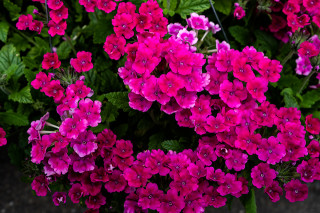
Verbena × hybrida
Verbena · Hybrid Verbena · Verbena hybrida
Description
Source: leafsnapVerbena Hybrida can be trailing to upright plants and are grown as annuals in most areas. They have moderate drought tolerance and showy flowers with a long bloom season.
Care Guide
💧 Water Every 1 week
Keep plants evenly moist until established, when they can tolerate some dry spells. Verbena is somewhat drought tolerant, and it certainly does not do well in boggy conditions, but you must not underwater it either. Soggy plants will succumb to botrytis blight, but drought-stressed plants will attract spider mites. Water verbena as you might your lawn, with an inch of rain or irrigation each week.
☀️ Light
🌡️ Temperature
Annual verbena may decline quickly when summer weather turns hot and humid. In warmer climates, perennial verbenas may grow better than the annual form.
💨 Humidity
🪴 Soil
🌱 Fertilizer
Verbenas are not heavy feeders, but they do appreciate a monthly application of balanced, slow-release flower fertilizer to help them keep up the flower show, which can last from spring until frost.
🪴 Pot & Repot
✂️ Pruning
All verbenas benefit greatly from regular deadheading. This not only removes the seed heads that signal the plant to rest but also helps to keep sprawling plants in their place in your landscape. If you have a large planting of low-growing verbena, you can accomplish this quickly with a string trimmer.
🌿 Propagating
🐛 Diseases & pets
☠️ Toxicity
Characteristics
- Plant Type
- Perennial
- Genus
- Verbena
- Family
- Verbenaceae
- Hardiness Zone
- 5-11
- Bloom Time
- Summer, fall
- Native Area
- Americas and Asia