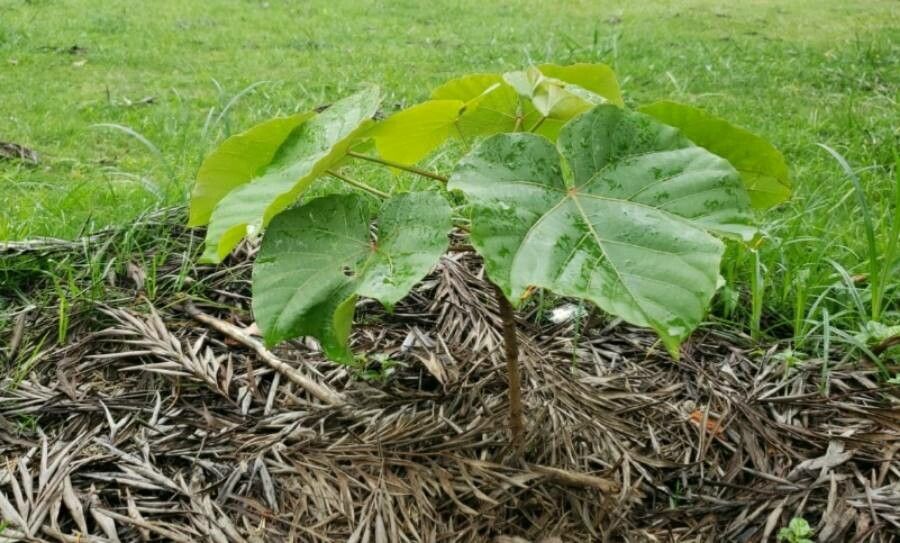
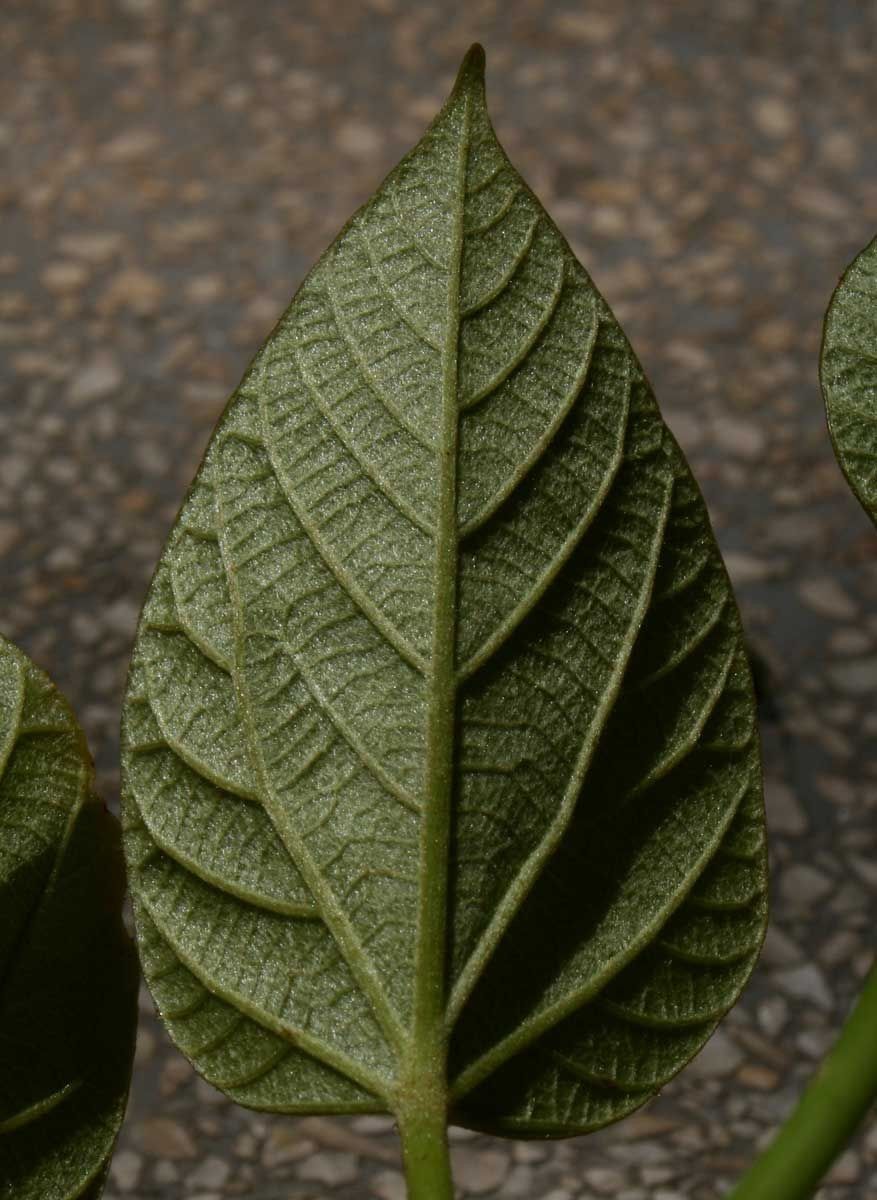
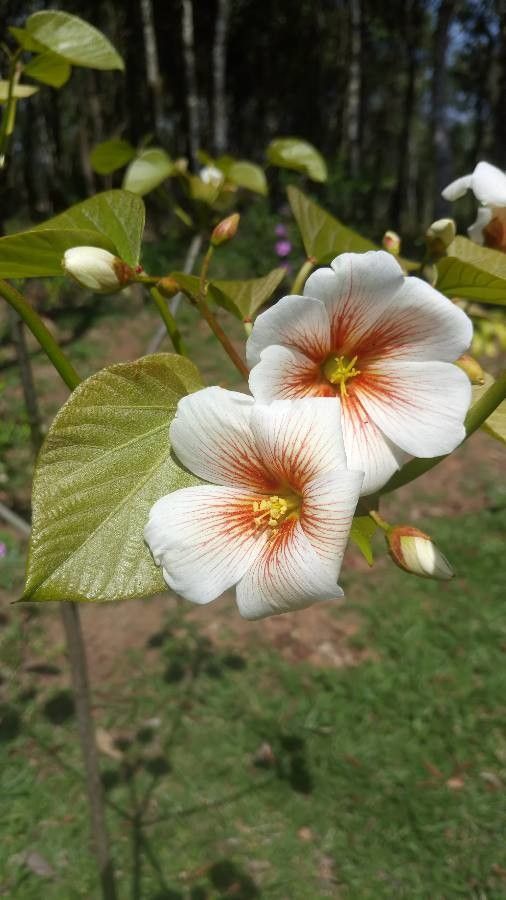
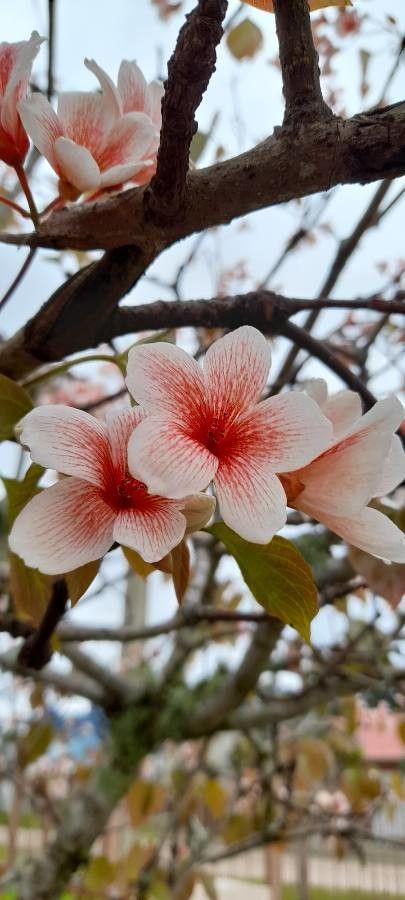
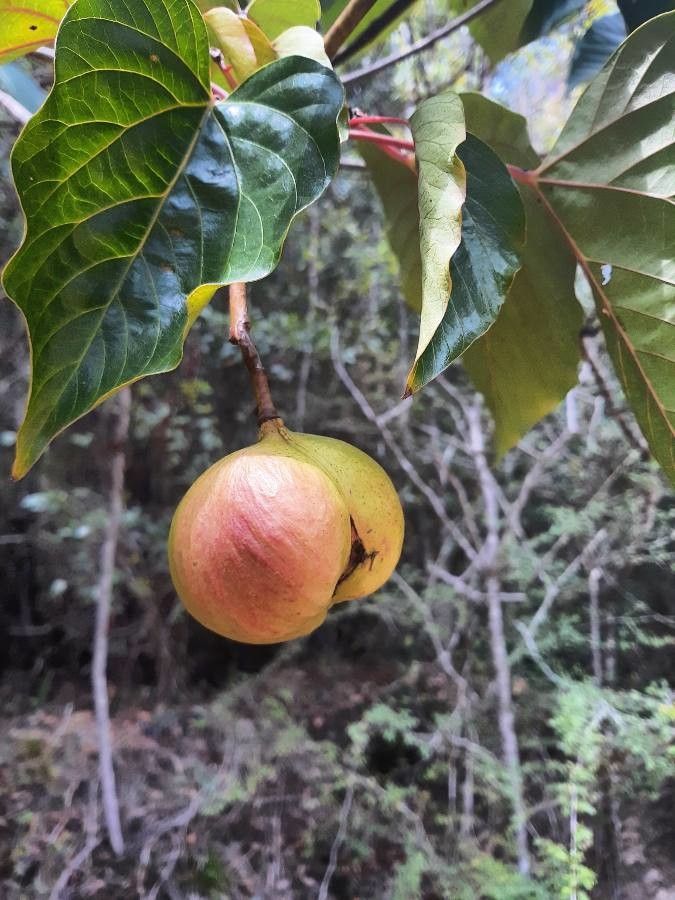
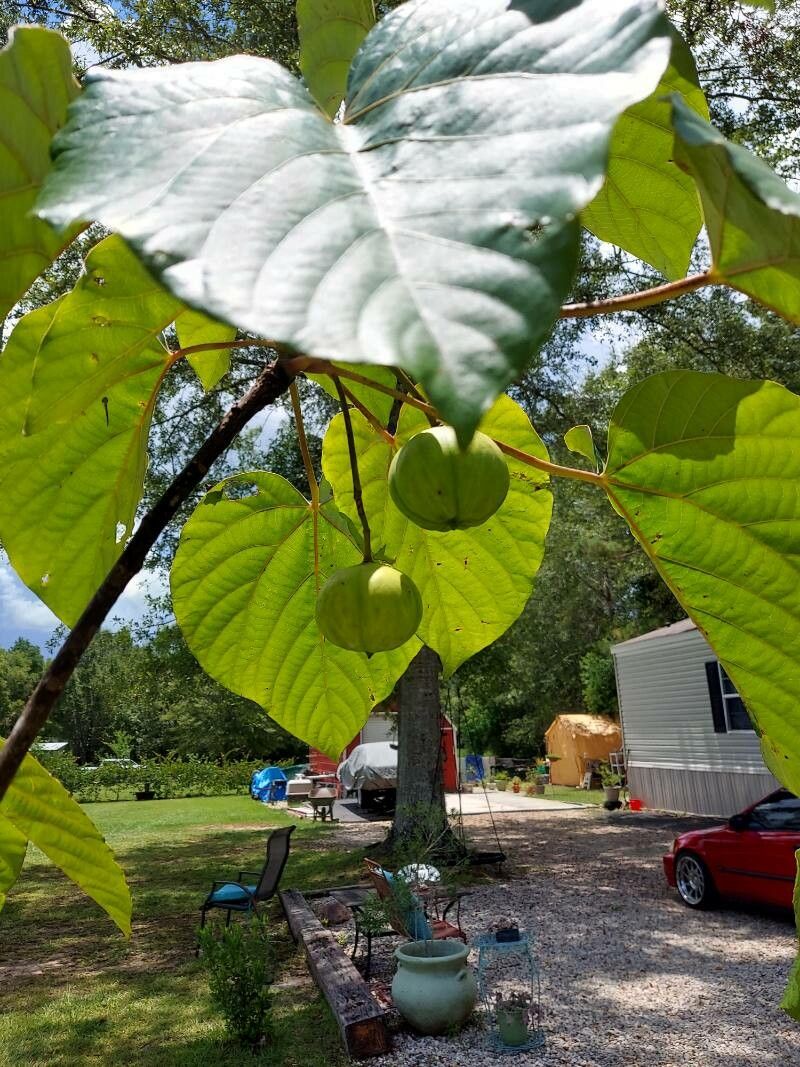
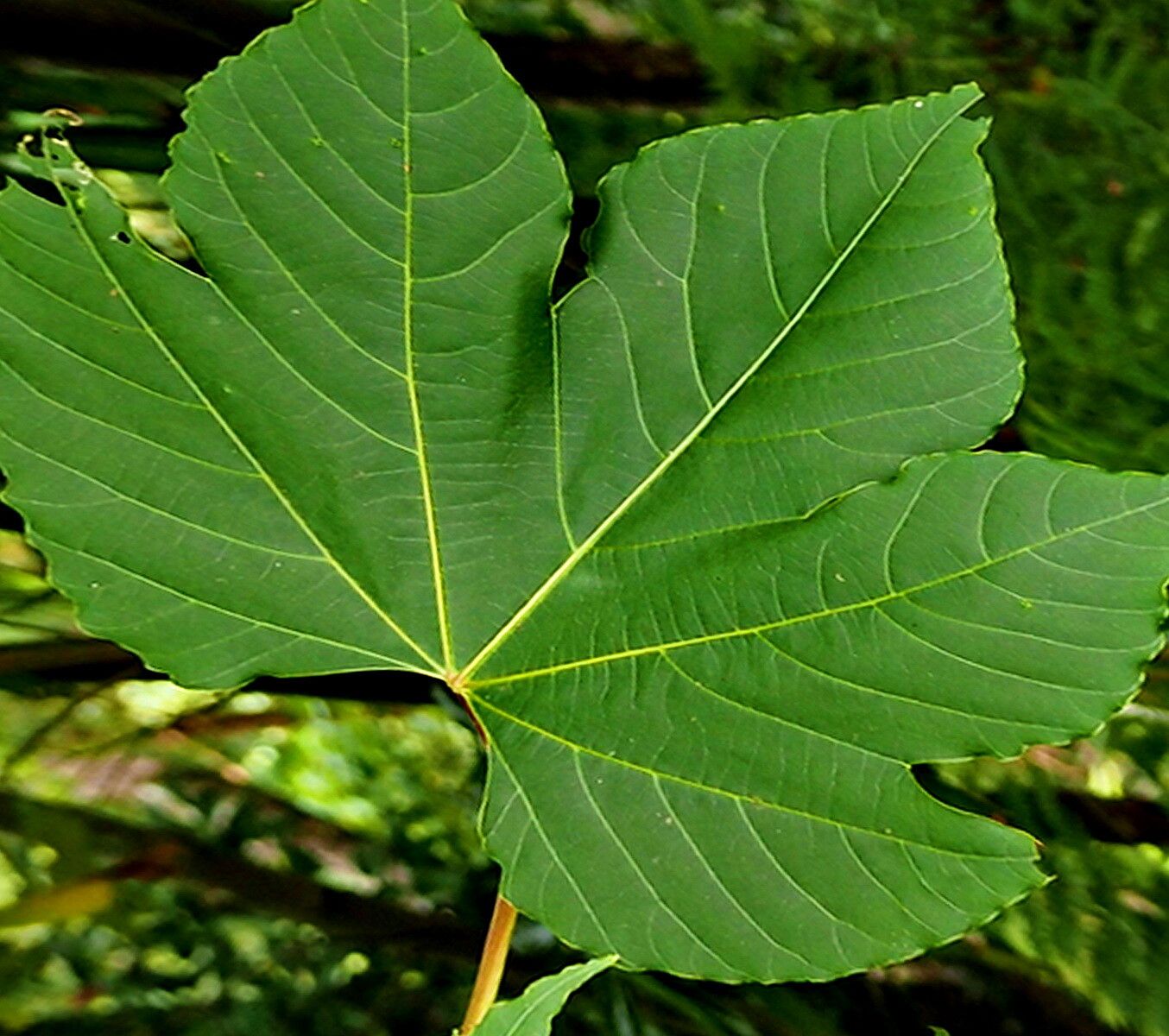
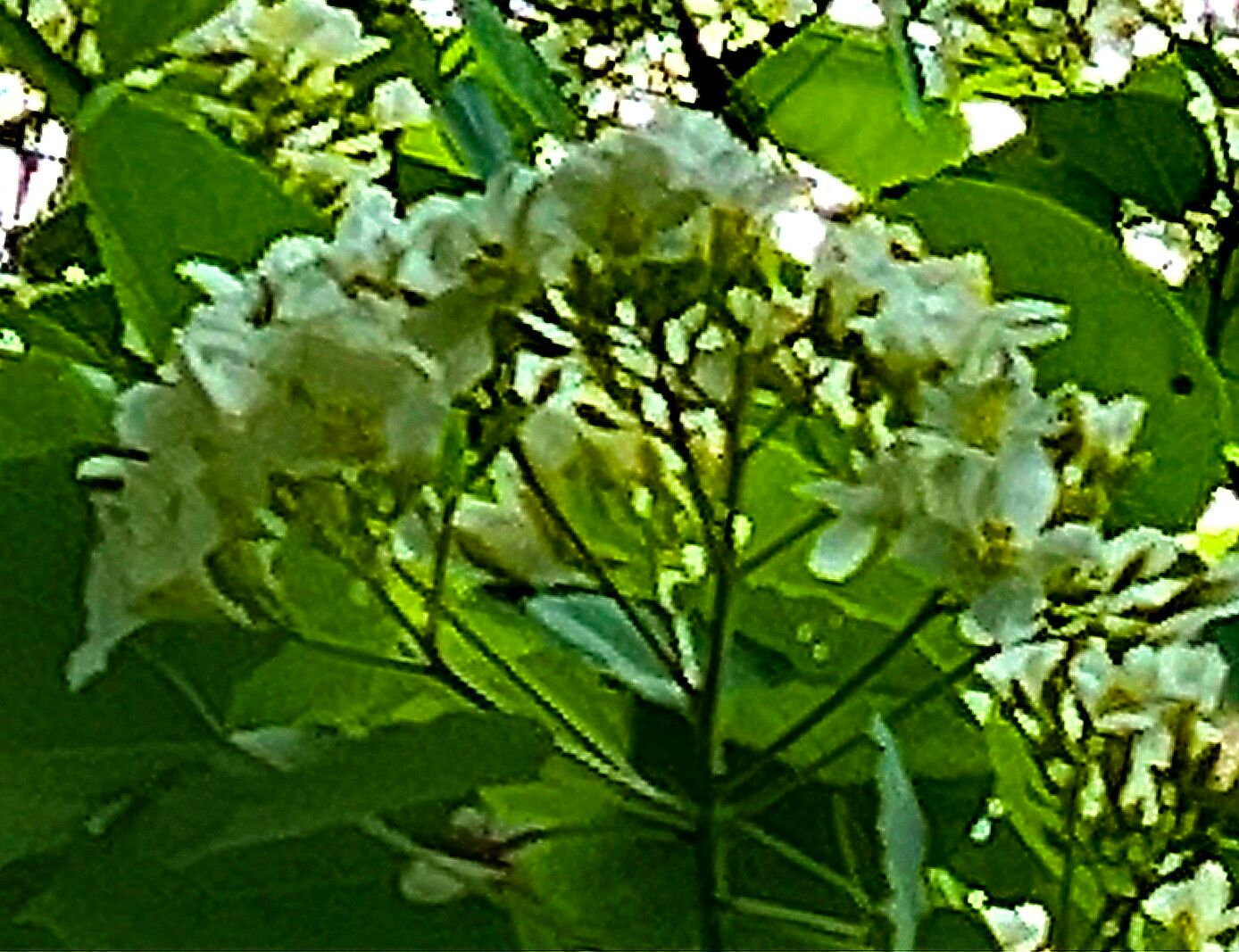
Vernicia fordii, commonly known as the tung tree, is a deciduous tree native to China, belonging to the Euphorbiaceae family. It can grow up to 20 meters tall and is renowned for its oil-rich seeds used in various industries, including paint, varnish, and soap production.
The tung tree features large, glossy, dark green leaves. Its small, yellow-green flowers, which have five petals, bloom in late winter or early spring. The tree produces a round capsule fruit containing three seeds.
The oil extracted from the seeds of Vernicia fordii is rich in unsaturated fatty acids, such as linoleic acid and oleic acid, making it highly valuable for industrial applications. Historically, the Chinese have also used this oil for medicinal purposes due to its anti-inflammatory properties.
Tung trees thrive in well-drained soil with plenty of sunlight but can tolerate partial shade. They grow best in warm climates but can also survive cold temperatures if protected from frost.
Beyond its industrial uses, Vernicia fordii is also valued as an ornamental plant. Its attractive foliage and flowers make it a beautiful addition to any garden or landscape design.
The tung oil tree is fairly disease-resistant and typically does not suffer from illnesses. Regarding care, this plant is quite low-maintenance. When planted outdoors it needs minimal watering, and larger specimens generally do not require pruning. Smaller plants, however, should be pruned after they have bloomed. The tung oil tree is suitable for anyone with an outdoor area, such as a garden or deck, and does not demand much caretaking experience.
How to keep Vernicia Fordii.
Light
The tung oil tree prefers sites with abundant sunlight for most of the day to grow best. It can somewhat tolerate locations that only receive light for part of the day. Too little or too much light can harm the plant, hindering its growth or damaging its leaves.
Water
The tung oil tree comes from subtropical regions, where it thrives in moderate humidity and can tolerate brief periods of drought. It prefers consistent moisture levels but cannot withstand waterlogged conditions. For optimal growth, it should be watered every two weeks. Proper irrigation during the growing season is essential to support its lush foliage and seed production.
Temperature
The tung oil tree grows well in environments where temperatures range from 59 to 100.4 °F (15 to 38 ℃). Native to temperate climates, these plants need moderate temperatures to thrive. In colder months, consider applying warming measures to replicate its preferred habitat.
Fertilizer
Timing is important when fertilizing the Tung oil tree. Apply fertilizer in early spring and continue monthly until early summer. Fertilizer promotes attractive blooms and provides energy during both dormant and active growth phases.
Pruning
The tung oil tree is a fast-growing plant with broad leaves and clusters of white flowers. For healthy growth, it is important to prune these trees in early spring. Start by removing dead branches and thinning out crowded areas. Regular pruning helps maintain the tree's shape, stimulates flowering, and keeps the tree healthy. Always use clean tools to prevent infections, and be sure to seal large cuts promptly.
Botanical profile.
- Plant Type
- Tree
- Life Cycle
- Perennial
- Genus
- Vernicia
- Family
- Euphorbiaceae
- Hardiness Zone
- 8-11
- Mature Height
- 20.12 m
- Mature Spread
- 4.57 m to 6.1 m
- Leaf Color
- Green
- Leaf Type
- Deciduous
- Flower Color
- White
- Flower Size
- 2.54 cm to 3.56 cm
- Bloom Time
- Early spring, Mid spring
- Planting Time
- Winter
- Harvest Time
- Late summer, Early fall, Mid fall
- Native Area
- India, Vietnam, Myanmar, Laos, China
Other names.
Reader questions.
What are the sunlight requirements for a Tung oil tree?
The Tung oil tree requires areas that receive abundant daylight for most of the day for its ideal growth, though it can adapt to locales with partial day light. Specifically, full sun conditions entail more than 6 hours of direct sunlight, while partial sun conditions mean about 3-6 hours of sunlight. It's essential to watch how sunlight moves through your garden and choose spots that provide a perfect balance of light and shade, ensuring your plants' happiness.
What are the essential care requirements for a Tung Oil Tree?
The Tung Oil Tree, or Vernicia fordii, thrives in environments with temperatures ranging from 59 to 100.4 °F (15 to 38 °C), characteristic of temperate climates. It requires moderate temperatures to flourish. During colder months, it's important to implement warming measures to simulate its ideal habitat. Although the Tung Oil Tree has some cold tolerance and generally does not need extra measures when temperatures are mild, it is crucial to protect the tree with materials like plastic film, fabric, or other covers if temperatures are expected to drop significantly. These protective measures should be removed once temperatures rise again.
How does insufficient or excessive lighting affect the Tung oil tree?
Insufficient or excessive lighting can negatively affect the Tung oil tree by deterring its growth or damaging its leaves. If the plant does not receive the optimal amount of light, it may exhibit symptoms such as smaller new leaves, leggy or sparse growth, faster leaf drop, slower or no new growth, and changes in leaf color such as lighter-colored new leaves, chlorosis, sunscald, leaf curling, wilting, and leaf scorching.
What should I do if the Tung Oil Tree is exposed to temperatures lower than its tolerance?
The Tung Oil Tree has a moderate tolerance to low temperatures and prefers to be kept in conditions where the temperature remains above its minimum tolerable level. In the event of exposure to temperatures below its growth limit, the leaves may droop; mild exposure can lead to recovery, whereas severe exposure results in wilting and leaf fallout. To mitigate frost damage, trim off frost-damaged parts. Before encountering low temperatures again, it is advisable to wrap the tree with non-woven fabric or cloth and erect a wind barrier to shield it from cold winds.
What solutions exist for Tung oil trees experiencing insufficient sunlight?
For Tung oil trees experiencing insufficient sunlight, solutions vary based on the setting. Indoors, you can gradually move the plant to a sunnier location, striving for at least 6 hours of direct sunlight daily, utilize a south-facing window, or use artificial light such as desk, ceiling lamps or professional plant grow lights for at least 8 hours daily. Outdoors, gradually shifting your plants to sunnier spots each week helps them adapt without incurring sunburn. Ground plants benefit from reducing obstructions like pruning trees that block sunlight, or transplanting smaller plants during their dormant period to locations with better sunlight exposure and drainage. It's crucial to understand that parts of the plant affected by insufficient sunlight may not recover, but new growth should be healthy with improved light exposure.
How should I care for a Tung Oil Tree during high temperatures?
In summer, it is crucial to ensure the Tung Oil Tree does not stay in temperatures exceeding its tolerance. Excessively high temperatures can cause the leaves to lighten in color, tips to dry and wither, leaves to curl, and increase the risk of sunburn. To care for the tree under such conditions, remove sunburned or dried parts. Relocate the tree to a shaded area during the midday and afternoon sun or use a shade cloth. Additionally, watering in the morning and evening helps keep the soil moist, further assisting in temperature management.
Can artificial lighting be used for Tung oil trees? If so, how?
Yes, artificial lighting can be used for Tung oil trees, especially when natural sunlight is insufficient, like in winter or less sunny spaces. Optimal growth under artificial lights involves selecting the right type of light, such as LEDs that provide specific wavelengths needed by the plant. For full sun plants, 30-50W/sq ft is recommended; partial sun plants need 20-30W/sq ft; and full shade plants require 10-20W/sq ft of artificial light. The light source should be placed 12-36 inches above the plant to mimic natural sunlight. Most plants will need 8-12 hours of artificial light per day to mimic natural daylight hours and promote healthy growth.