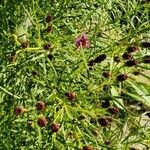
Vernonia angustifolia
Tall ironweed
Description
Source: leafsnapVernonia angustifolia is a species of flowering plant in the family Asteraceae, native to the southeastern United States (Alabama, Florida, Georgia, Louisiana, Mississippi, North Carolina and South Carolina). It was first described by André Michaux in 1803.
Care Guide
💧 Water
Tall ironweed flourishes in humid environments and can tolerate wet conditions. It needs weekly watering and grows best during the warmer months, depending on frequent rainfall and steady moisture typical of its native regions.
☀️ Light Full sun
Tall ironweed is a sun-loving, perennial herbaceous plant native to open habitats and commonly found in meadows and grasslands. It prefers full sun but can also tolerate partial sun.
What are the sunlight requirements for Tall Ironweed (Vernonia angustifolia)?
Tall Ironweed (Vernonia angustifolia) thrives in locations that receive full sunlight, which is defined as above 6 hours of sunlight daily. When planning where to plant Tall Ironweed in your garden, it's important to observe the movement of sunlight throughout the day. Choosing spots that offer a perfect balance of light and shade will ensure your plants grow happy and healthy. Watching how sunlight gracefully moves through your garden and selecting the ideal locations based on this observation can make a significant difference in the well-being of your Tall Ironweed.
🌡️ Temperature 10–35°C
Tall ironweed can tolerate a wide range of temperatures, but its distribution may still be constrained by different combinations of moisture and heat. It performs best in warm summer conditions with sufficient rainfall or watering. Extended periods of cloudy, rainy weather, as well as prolonged high temperatures, can increase the chance of Tall ironweed dying. In winter, protecting it from cold can enhance its likelihood of survival.
💨 Humidity
🪴 Soil 6-7
🌱 Fertilizer
The best time to fertilize a Tall ironweed is in early spring, as it comes out of dormancy and begins active growth. Fertilizing supplies essential nutrients for healthy development. While Tall ironweed has relatively low fertilizer needs, applying fertilizer annually can improve its survival and encourage better, longer-lasting flowers.
🪴 Pot & Repot
✂️ Pruning
Tall ironweed is known for its height and vibrant purple flowers. To help it thrive, consider pruning it in early spring. Start by removing any dead stems and thinning the plant to improve airflow. This not only enhances its blooms but also reduces the risk of disease. Pruning also helps manage the plant's height and spread, promoting vigorous growth and maintaining a tidy appearance in the garden.
🌿 Propagating
🐛 Diseases & pets
☠️ Toxicity
Characteristics
- Plant Type
- Herb
- Life Cycle
- Perennial
- Genus
- Vernonia
- Family
- Asteraceae
- Hardiness Zone
- 6-9
- Mature Height
- 1.22 m
- Mature Spread
- 91 cm
- Leaf Color
- Dark Green
- Leaf Type
- Deciduous
- Flower Color
- Purple, Violet
- Flower Size
- 1.02 cm to 2.03 cm
- Bloom Time
- Mid summer, Late summer, Early fall
- Planting Time
- Spring, Autumn
- Harvest Time
- Early fall, Mid fall