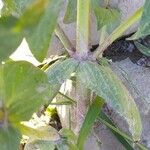
Veronica anagallis-aquatica
سیزاب آبی · Blue water speedwell · Brook-pimpernel · Water speedwell · Water pimpernel
Description
Source: leafsnapVeronica anagallis-aquatica, commonly known as water speedwell, is a perennial herbaceous plant in the family Plantaginaceae. Native to Europe and Asia, it has also been introduced and naturalized in many regions of North America. Water speedwell typically thrives in wetlands, marshes, and along the edges of streams or ponds. It exhibits a creeping growth habit, with stems that can extend up to 60 cm in length. The leaves are opposite, lance-shaped or oval, with toothed margins. The plant produces small, blue-purple flowers with four petals, which are arranged in a spike-like inflorescence at the top of the stem. These flowers bloom from May to September and attract bees and other pollinators. For centuries, water speedwell has been used medicinally due to its anti-inflammatory compounds, which can help alleviate pain associated with arthritis and other inflammatory conditions. Overall, Veronica anagallis-aquatica is not only an attractive plant, providing essential ecological functions such as wildlife habitat, but it also offers medicinal benefits. It makes a valuable addition to any wetland garden or natural area restoration project.
Care Guide
💧 Water Every 7 days
Water speedwell thrives in wetland habitats, preferring consistent moisture and can even withstand brief flooding. Watering it weekly encourages lush growth. As an outdoor aquatic perennial, it effectively manages its water intake through a widespread root system during the growing season.
How should I water my Water speedwell plant?
To properly water the Water speedwell, it's best to use filtered water at room temperature. Tap water may have harmful particles, so filtered water is preferred. The Water speedwell is accustomed to warm environments, so it's important to avoid using cold water, which can shock the plant. Additionally, overhead watering should be avoided as it can cause issues with the foliage. Instead, gently pour the filtered room temperature water onto the soil until it is fully soaked. This benefits the plant by keeping the roots moist and enabling them to spread and absorb necessary nutrients from the soil.
What do I do if I give too much or too little water to my Water speedwell?
Overwatering is a more common problem for Water speedwell than underwatering. When it receives too much water, the stems and leaves may wilt and turn yellow. Overwatering for a long time can cause diseases like root rot, mold, and mildew, which can kill the plant. Underwatering is less common, but it can still happen. In this case, the leaves become brittle and brown. It's important to notice the signs of overwatering early on because some diseases, like root rot, can't be fixed if you wait too long. If you see early signs, reduce watering immediately and check the soil's drainage. If it drains poorly, replace it with well-draining potting mix. If the signs indicate too little water, simply water more regularly until they go away.
How frequently should I give my Water speedwell plant some water?
If you have a potted plant, the best way to determine if your Water speedwell needs water is by checking the soil with your finger. If the top two to three inches of soil are dry, it's time to water it. The same method can be used if you have your Water speedwell planted outdoors. Once the first few inches of soil have dried out, it's time to give it some water. Typically, during spring and early fall, watering once a week is sufficient. However, in extremely hot weather, you may need to water it twice or more per week. Nevertheless, mature and well-established Water speedwell plants can withstand drought conditions quite well.
How much water does my Water speedwell plant require?
When watering your Water speedwell, be generous with the amount of water you give. Make sure the top two to three inches of soil are dry before watering, and then give it a long and thorough watering. You want the water to completely soak the soil. Add enough water so that it flows through the drainage holes at the bottom of the pot. If you don't see excess water draining, it means you haven't watered enough. However, be careful not to let water accumulate in the soil, as this can be harmful to the plant. On the other hand, if water isn't draining properly, it could be due to poorly draining soils, which is not good for the plant's health. If the plant is outside, about 1 inch of rain per week should be sufficient.
How should I water my Water speedwell as it grows?
The water needs of the Water speedwell can vary depending on its growth stages. When it is young or has just been transplanted, it requires more water than usual. This is because it is focusing on developing new roots to support future growth, and these roots need additional moisture. As the plant matures, its water needs decrease. However, during the bloom period, when it is producing flowers, it may require more water again due to the high moisture demand for flower development.
☀️ Light Full sun
Water speedwell grows best when it gets abundant sunlight throughout the day. Still, it is adaptable and can also tolerate areas with moderate sunlight. In its natural aquatic environment, sufficient sun exposure promotes strong, vigorous growth. However, very little or excessive sunlight can harm its health and development.
What are the sunlight requirements for Water Speedwell?
Water Speedwell (Veronica anagallis-aquatica) thrives best in full sunlight, requiring more than 6 hours of sunlight daily for optimal growth, but it can also tolerate partial sun, which amounts to about 3-6 hours of sunlight. It's important to observe your garden's sunlight patterns to choose spots that provide the right balance of light and shade, ensuring the plant's happiness and health.
How does inadequate or excessive sunlight affect Water Speedwell?
Water Speedwell thrives in abundant sunlight, supporting vibrant growth in its natural aquatic habitat. However, both extremely scant and excessive sunlight can adversely affect the plant's health and growth. Inadequate sunlight may lead to symptoms like small leaves, leggy growth, accelerated leaf drop, slower growth, and lighter-colored new leaves. Excessive sunlight can cause chlorosis, sunscald, leaf curling, wilting, and leaf scorching, indicating the plant's inability to photosynthesize effectively.
What artificial lighting requirements do indoor Water Speedwell plants have?
Indoor Water Speedwell plants need adequate lighting, especially when natural sunlight is insufficient. LED lights are recommended because they can provide specific wavelengths needed by the plants. Full sun plants require 30-50W/sq ft, partial sun plants need 20-30W/sq ft, and full shade plants require 10-20W/sq ft of artificial light. The light source should be placed 12-36 inches above the plant for 8-12 hours per day to mimic natural daylight conditions.
How do you manage Water Speedwell in low light conditions?
For indoor Water Speedwell, you can gradually move it to a sunnier spot, ensuring it receives at least 6 hours of sunlight. Utilizing a south-facing window or artificial light, such as desk lamps or professional grow lights for at least 8 hours daily, can also be beneficial. For outdoor plants, carefully move them to areas with better sunlight exposure each week to avoid sunburn. If your plant is grounded and sunlight is obstructed, consider pruning surrounding trees or transplanting the plant during its dormancy to a sunnier location.
🌡️ Temperature 0–35°C
Water speedwell is native to habitats with moderate to warm temperatures. It grows best at 68 to 95 °F (20 to 35 ℃). Temperatures outside this range call for adjustments, for example providing insulation during colder seasons.
What is the native environment of Water speedwell?
Water speedwell, also known by its botanical name Veronica anagallis-aquatica, is native to environments that have moderate to warm temperatures. It thrives best in temperatures ranging from 68 to 95 °F (20 to 35 °C). These conditions suggest that Water speedwell prefers a climate that does not experience extreme cold or heat, maintaining its growth within a comfortable temperature range.
How does Water speedwell handle cold temperatures?
Water speedwell has a strong resistance to cold temperatures, indicating that special frost protection measures are generally not necessary during the winter. However, it's important to provide some form of cold protection if winter temperatures are expected to drop below -35°C. This can include covering the plant with insulating materials such as soil or straw. Additionally, before the onset of freezing conditions in autumn, it's recommended to water the plant well, which helps ensure the soil stays moist and enters into a frozen state more gradually. This preparation aids in preventing drought and water scarcity for the plant during the colder months.
What should be done if Water speedwell experiences extremely low temperatures?
If Water speedwell is exposed to temperatures below -35°C, although it may not show immediate distress during the winter, a decrease in sprouting or a complete lack of sprouting might be observed come spring. To mitigate this, it's advisable to inspect the plant as the weather warms and remove any parts that have failed to sprout. This helps the plant to recover from the cold stress and promotes healthier growth in the subsequent season.
How should Water speedwell be cared for during high temperatures?
In the summer months, it's crucial to ensure that the temperature surrounding Water speedwell does not exceed 35°C. Exposure to temperatures above 38°C can cause the plant's leaves to lighten in color, become prone to curling, and in extreme cases, lead to sunburn or wilting of the entire plant. To aid the plant during such high temperatures, sunburned and dried parts should be trimmed away. The plant should be moved to a location that provides shade, especially during the midday and afternoon sun, or a shade cloth can be used to protect it. Additionally, watering the plant in the morning and evening will help keep the soil adequately moist, further assisting in its health and growth during hot periods.
💨 Humidity
🪴 Soil
🌱 Fertilizer
To ensure optimal growth for water speedwell, apply balanced nutrient fertilizers every three months during the growing season. Using a diluted solution can promote flowering without the risk of burning the plants. However, be sure to reduce fertilization during the winter months. Over-fertilizing can lead to algae blooms, which compete for resources with the water speedwell.
🪴 Pot & Repot
✂️ Pruning
Water speedwell, recognized for its small blue flowers and aquatic habitat, thrives when pruned in the spring. By removing dead stems, you can promote healthy growth, improve air circulation, and maintain the plant's shape. Regularly cutting away spent flowers and tall stems will further encourage vigorous growth and overall plant health.
🌿 Propagating
🐛 Diseases & pets
☠️ Toxicity
Characteristics
- Plant Type
- Herb
- Life Cycle
- Perennial, Biennial
- Genus
- Veronica
- Family
- Plantaginaceae
- Hardiness Zone
- 3-9
- Mature Height
- 10 cm to 91 cm
- Mature Spread
- 30 cm
- Leaf Color
- Green, Dark Green
- Leaf Type
- Deciduous
- Flower Color
- Lavender
- Flower Size
- 5.08 cm to 15.24 cm
- Bloom Time
- Late spring, Summer, Early fall, Mid fall
- Planting Time
- Autumn
- Harvest Time
- Mid summer, Late summer, Fall, Early winter