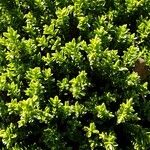
Veronica cupressoides
Whipcord Hebe
Care Guide
💧 Water
Cypress veronica thrives in moderate moisture and prefers stable hydration without being oversaturated. To maintain its health, it requires a weekly watering schedule. Although it is typically grown outdoors, its water needs can vary with the changing seasons, so it's important to adjust your watering practices accordingly.
☀️ Light Full sun
Cypress veronica is a sun-loving perennial herbaceous species native to open habitats, often thriving in meadows and grasslands. It prefers full sun but can also tolerate partial sun conditions.
🌡️ Temperature 5–35°C
💨 Humidity
🪴 Soil 6-8
🌱 Fertilizer
For Cypress veronica, the primary time to fertilize is in early spring when the flowers are starting to form. The correct fertilizer promotes better blooms and helps Cypress veronica produce lovely flowers. Fertilizing in early spring ensures strong flowering during the season and provides energy for dormant growth phases.
🪴 Pot & Repot
✂️ Pruning
Cypress veronica is known for its soft, needle-like foliage and compact growth. To maintain its health and appearance, prune in early spring. This helps remove dead branches, improve its shape, and encourage denser growth. Be careful not to cut into old wood; instead, focus on light trimming to manage its size and improve air circulation, which can also reduce pest problems. For optimal care, refer to reputable sources to learn about best practices.
🌿 Propagating
🐛 Diseases & pets
☠️ Toxicity
Characteristics
- Plant Type
- Herb
- Life Cycle
- Perennial
- Genus
- Veronica
- Family
- Plantaginaceae
- Hardiness Zone
- 5-9
- Mature Height
- 1.22 m
- Mature Spread
- 1.22 m
- Leaf Color
- Dark Green
- Leaf Type
- Evergreen
- Flower Color
- White
- Flower Size
- 0.51 cm to 0.76 cm
- Bloom Time
- Early summer, Mid summer
- Planting Time
- Spring, Summer, Autumn
- Harvest Time
- Late summer, Early fall
- Native Area
- New Zealand