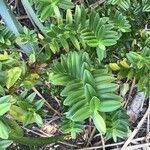
Veronica elliptica
Hebe Petita Pink
Description
Source: wikipedia (CC BY-SA)Veronica elliptica, synonym Hebe elliptica, is a plant of the family Plantaginaceae. It is native to New Zealand, Patagonia and the Falkland Islands. It is an evergreen, bushy shrub of 1 m or more in height, with green, oval leaves, 2–4 cm long. Flowers are white to pale mauve.
Care Guide
💧 Water
Boxwood, which comes from regions with varying moisture levels, is able to withstand dry periods and actually prefers its soil to dry out a bit between waterings. For best results, water boxwood every 2 to 3 weeks, making sure to let the soil partially dry out between each session. Its thick foliage helps retain moisture, making boxwood an excellent choice for hedges and topiaries.
☀️ Light
What are the sunlight requirements for Boxwood?
Boxwood, or Veronica elliptica, thrives under various light conditions but prefers full sun to partial shade. Full sun exposure refers to areas receiving above 6 hours of sunlight daily, while partial sun represents about 3-6 hours of sunlight. To ensure the health and happiness of your plants, it's essential to observe how sunlight moves through your garden and select locations that offer an ideal balance of light and shade.
Do different stages of Boxwood growth require different light conditions?
Different stages of Boxwood growth do not require varying light conditions. The plant generally flourishes in environments with abundant solar radiation, mimicking its native habitat, which contributes to optimal growth. However, Boxwood can also tolerate lesser light conditions. Regardless of the growth stage, insufficient lighting might impede development, while overexposure to sunlight could have adverse effects.
How can artificial lighting be used for indoor Boxwood plants?
When natural sunlight is insufficient, particularly during winter or in less sunny spaces, artificial lighting becomes crucial for indoor Boxwood plants. To promote healthy growth, opt for LED lights as they can be customized to provide specific light wavelengths needed by the plants. Full sun plants require 30-50W/sq ft, partial sun plants need 20-30W/sq ft, and full shade plants should have 10-20W/sq ft of artificial light. The light source should be placed 12-36 inches above the plant, mimicking the length of natural daylight, usually 8-12 hours per day.
What are the signs of light deficiency in Boxwood?
Light deficiency in Boxwood can be identified through several symptoms. These include smaller new leaves, leggy or sparse growth, faster leaf drop, slower or halted new growth, and leaves that may appear lighter in color or show signs of chlorosis (turning yellow). Additionally, symptoms like sunscald, leaf curling, wilting, and leaf scorching may indicate excessive sunlight exposure, revealing a need to adjust the plant's light environment.
What solutions can address Boxwood's light deficiency?
To combat light deficiency in Boxwood, gradually move plants to sunnier spots, ensuring they receive at least 6 hours of direct sunlight daily. Utilize south-facing windows and keep curtains open during the day. If moving the plant isn't feasible, use artificial light sources such as desk lamps or invest in grow lights, keeping them on for a minimum of 8 hours a day. For outdoor plants, avoid sudden changes to prevent sunburn. Pruning obstructions or transplanting to sunnier locations can also improve light exposure. Note that parts of the plant affected by inadequate light might not recover, but new growth after adjusting light conditions will be healthy.
🌡️ Temperature 20–38°C
Boxwood is native to temperate environments and prefers temperatures ranging from 68 to 100.4 °F (20 to 38 ℃). Regular temperature monitoring and adjustments in both summer and winter are essential to replicate its natural conditions.
What is the ideal temperature range for Boxwood?
Boxwood thrives in temperate climates, with an ideal temperature range between 68 to 100.4 °F (20 to 38 °C). It's crucial to regularly monitor and adjust temperatures to mimic its native conditions, especially during summer and winter. Boxwood is notably heat-loving, and exposure to cold temperatures can be harmful. Ensuring the temperature stays above 20°C during winter is beneficial for its growth, while temperatures nearing 0°C can be detrimental.
What should be done with Boxwood during the autumn and winter?
In the autumn, it's recommended to bring outdoor-grown Boxwood indoors to protect it from cold temperatures. Placing it near a bright window will ensure it receives adequate light, but it's important to keep it away from heaters to avoid excessive drying. This helps in maintaining an optimal environment for the plant during colder months.
How does low temperature affect Boxwood and what are the solutions?
Boxwood prefers warm temperatures and does not tolerate cold well. It thrives best when the temperature is above 20°C, and during winter, it should be kept above 0°C. Temperatures falling below -5°C can cause the leaves to lighten in color, leading to them turning brown or black after frost damage, accompanied by wilting and drooping. To mitigate frost damage, trim off the frost-damaged parts and move the plant to a warm environment indoors, near a south-facing window for ample sunlight, while avoiding placement near heaters or air conditioning vents to prevent air dryness.
How does high temperature affect Boxwood and what are the solutions?
During summer, Boxwood should be kept at temperatures below 38°C to prevent heat stress. If temperatures exceed 43°C, the plant's leaves may lighten, and it becomes more susceptible to sunburn. To counteract these effects, trim away sunburned and dried-up parts, relocate the plant to a shaded area away from the intense midday and afternoon sun, and water in the morning and evening to maintain soil moisture.
💨 Humidity
🪴 Soil
🌱 Fertilizer
The ideal time to fertilize a Boxwood is in early spring as it breaks dormancy. This stimulates overall growth and the development of flowers. Fertilization improves the foliage, stems, and branches, and encourages larger, more vibrant, and longer-lasting flowers. It helps move nutrients from the roots to the flowers and enhances the plant’s health and resistance to disease.
🪴 Pot & Repot
✂️ Pruning
Boxwood requires annual pruning to maintain its health, ideally performed between early and late winter. During pruning, shape the plant and remove any damaged branches to encourage fullness. Be sure to use clean tools and cut just above the leaf nodes. Regular pruning improves airflow and light penetration, reducing the risk of disease. Focus on thinning the plant to preserve its natural form.
🌿 Propagating
🐛 Diseases & pets
☠️ Toxicity
Characteristics
- Plant Type
- Tree, Shrub
- Life Cycle
- Perennial
- Genus
- Veronica
- Family
- Plantaginaceae
- Hardiness Zone
- 9-11
- Mature Height
- 2.13 m
- Mature Spread
- 0.91 m to 2.13 m
- Leaf Color
- Dark Green
- Leaf Type
- Evergreen
- Flower Color
- White
- Flower Size
- 5.08 cm
- Bloom Time
- Summer
- Planting Time
- Spring, Summer
- Harvest Time
- Fall
- Native Area
- New Zealand