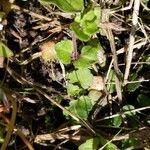
Veronica filiformis
Creeping speedwell · Slender speedwell · Threadstalk speedwell · Creeping Veronica · Whetzel Weed
Description
Source: leafsnapVeronica filiformis, commonly known as Slender Speedwell, is a low-growing perennial plant that belongs to the Plantaginaceae family. Native to Europe and Asia, it has been introduced to North America as an ornamental plant. This plant features a prostrate growth habit with thin stems that can grow up to 10 cm in length. Its leaves are small, narrow, lance-shaped, and bright green. The flowers of Veronica filiformis are small and come in blue-violet or white, with four petals arranged in a cross shape. They bloom from late spring through summer, attracting bees and other pollinators. Slender Speedwell prefers well-drained soils but can adapt to various soil types, including sandy and clay soils. It thrives best in full sun but can also grow in partial shade. Due to its low-growing habit and ability to spread quickly through runners or stolons, Veronica filiformis is commonly used as ground cover. It is also a great addition to rock gardens, borders, or containers, thanks to its attractive foliage and colorful flowers. Overall, Veronica filiformis is an easy-to-grow perennial that requires minimal maintenance, making it ideal for novice gardeners looking for appealing ground cover options for their garden spaces.
🌳 Bird's Eye Speedwell is often ignored but functions as a valuable bioindicator, assisting ecologists in assessing the ecological health of an area. Because it grows and spreads quickly in disturbed soils, Bird's Eye Speedwell indicates soil compaction and can reveal the effects of heavy foot traffic or machinery on an ecosystem.
🎭 Fidelity, Female Fidelity
Care Guide
💧 Water Every 7 days
Slender speedwell, native to the moist meadows of Eurasia, thrives in environments with consistent moisture. It prefers well-hydrated soil but can withstand short periods of dryness. To ensure optimal growth, especially during its active growing season, it is essential to water the plant weekly to maintain adequate soil moisture.
How should I water my Slender speedwell plant?
To properly water the Slender speedwell, it is advisable to use filtered water at room temperature or slightly warmer. This is because tap water may contain harmful particles for the plant's health. Since the Slender speedwell originates from a warm environment, it is sensitive to cold water, which can be a shock to its system. It is best to avoid overhead watering as it can cause foliage complications. Instead, it is recommended to apply the filtered room temperature water directly to the soil until it is completely soaked. This will benefit the plant by moisturizing its roots and allowing them to spread through the soil to collect necessary nutrients.
What do I do if I give too much or too little water to my Slender speedwell?
Overwatering is a more common issue with Slender speedwell, which can cause wilting, yellowing leaves, and diseases like root rot, mold, and mildew. Underwatering is less common due to the plant's drought tolerance, but it can lead to brittle, brown leaves. It's important to catch overwatering early to prevent irreversible damage. Reduce watering if you see signs of overwatering and check soil drainage. If underwatering is the issue, simply increase watering until signs improve.
How many times should I water my Slender speedwell?
If you have a potted Slender speedwell plant, the best way to know if it needs water is by checking the moisture level of the soil. Simply stick your finger into the soil and if the top two to three inches feel dry, it's time to water it. The same method applies if you have the plant growing outdoors in the ground. When the first few inches of soil are dry, it's time to water. Generally, during spring and early fall, watering once a week is sufficient. However, during extremely hot weather, you may need to water twice or more per week. It's worth noting that mature, well-established Slender speedwell plants have a strong ability to withstand drought.
How much water does my Slender speedwell plant need?
When watering your Slender speedwell, don't be afraid to give it a good amount of water. Make sure the top two to three inches of soil are dry before watering thoroughly. The water should soak the soil completely, and there should be enough to cause excess water to drain through the pot's bottom holes. If you don't see excess water draining, you may not be giving enough water. Avoid letting water accumulate in the soil, as this can harm the plant. If there is no water draining through the pot, it may indicate poorly draining soils, which is not good for the plant's health. If the plant is outside, 1 inch of rain per week is enough.
How do I water my Slender speedwell at different times of its growth?
The water needs of the Slender speedwell vary depending on its growth stages. In the first few years of its life or when it is newly transplanted, it requires more water than usual. During these stages, the Slender speedwell focuses on growing new roots, which need extra moisture to support future growth. As the plant matures, it will require less water. Another growth stage that requires increased watering is during the bloom period when the flower development utilizes a substantial amount of moisture. Therefore, providing more water to the Slender speedwell during this time may be necessary.
☀️ Light Full sun
Bird's Eye Speedwell thrives in abundant sunlight but can also tolerate moderate light. Native to sunny habitats, this energy is essential for the plant’s healthy development at every stage. Insufficient sunlight can limit growth, while too much can damage the plant, highlighting the need for a balanced amount of light.
What are the sunlight requirements for Slender speedwell?
Slender speedwell, or Veronica filiformis, thrives in locations with abundant light exposure, ideally under conditions that mimic a wide-open sky. It requires at least 6 hours of direct sunlight (full sun) for optimal growth, but it can adapt to partial sun conditions, receiving about 3-6 hours of sunlight daily. However, it's crucial to monitor the plant as too little light can cause weaker stems and paler leaves, while too much sunlight can lead to leaf scorch.
What should I do if natural sunlight is not enough for my indoor Slender speedwell plants?
When natural sunlight is insufficient for your indoor Slender speedwell plants, especially during winter or in less sunny spaces, artificial lighting can be a viable solution to ensure healthy growth. Using artificial lights such as LED, which can be customized for specific wavelengths, helps. Full sun plants need 30-50W/sq ft, partial sun plants need 20-30W/sq ft, and full shade plants require 10-20W/sq ft of artificial light. The light source should be placed 12-36 inches above the plant, and the lighting duration should mimic natural daylight hours, usually between 8-12 hours per day.
What are the symptoms of insufficient or excessive sunlight on Slender speedwell plants?
Symptoms of insufficient sunlight in Slender speedwell include smaller new leaves, leggy or sparse growth, faster leaf drop, slower or no new growth, and paler or irregularly colored new leaves. Excessive sunlight exposure can lead to chlorosis (leaf yellowing), sunscald, leaf curling, wilting, and leaf scorching, indicating damage and stress in plants. These symptoms highlight the importance of providing the right amount of sunlight for healthy growth.
How can I remedy light-related issues for my Slender speedwell?
To address light-related issues for Slender speedwell, indoors, gradually move your plants to a sunnier spot until they receive at least 6 hours of direct sunlight daily, and consider using artificial light for large or immovable plants. Outdoors, similarly move plants to sunnier locations gradually to avoid sunburn. If sunlight is blocked by obstacles like trees, prune them to allow more light through. For smaller plants, you may consider transplanting during their dormant period to a location with ample sunlight and good drainage. Be aware that parts of the plant already affected by insufficient sunlight may not recover, but new growth after adjusting light exposure should be healthy.
🌡️ Temperature 15–35°C
Bird's Eye Speedwell originates from habitats with moderate temperatures. It grows best in a temperature range of 68 to 95 °F (20 to 35 ℃). In extreme conditions, consider modifying the environment to recreate its preferred range.
What is the native climate for Slender speedwell?
Slender speedwell, or Veronica filiformis, is native to environments that experience temperatures ranging from 41 to 89.6 °F (5 to 32 °C). It thrives best in these climate conditions, indicating its strong cold resistance. Despite this, it's crucial to avoid exposing the plant to frosty conditions below this temperature range during winter.
How should Slender speedwell be protected in extreme winter conditions?
Although Slender speedwell has strong cold resistance and usually doesn't require special frost protection measures, if winter temperatures are expected to drop below -30°C, it's important to provide cold protection. This can be achieved by covering the plant with protective materials such as soil or straw. Additionally, it is recommended to water the plant abundantly before the first freeze in autumn to ensure the soil remains moist and enters a frozen state, helping to prevent drought and water scarcity during winter and early spring.
How does Slender speedwell react to low temperature conditions?
Slender speedwell is cold-tolerant and performs best when temperatures are above 5°C. Should the temperature fall below -25°C during winter, while there may not be any noticeable changes during the colder months, there could be a decrease in sprouting or even a failure to sprout come springtime. Should this occur, in spring, any parts of the plant that have failed to sprout should be removed.
What should be done if Slender speedwell experiences high temperature conditions?
During summer, it's important to ensure that Slender speedwell's temperature doesn't exceed 32°C. Should temperatures go beyond 35°C, the leaves may become lighter in color, prone to curling, and susceptible to sunburn, and in severe cases, the entire plant may wilt and dry out. Solutions include trimming away the sunburned and dried-up parts of the plant, moving it to a shaded location away from the midday and afternoon sun or using a shade cloth to provide shade, and watering the plant in the morning and evening to keep the soil moist.
💨 Humidity
🪴 Soil 6-7
🌱 Fertilizer
Bird's Eye Speedwell responds well to regular, mild fertilizer applications to encourage healthy foliage. Apply fertilizer roughly once a month during the summer. Nitrogen is essential for leaf development, and providing nitrogen-rich fertilizers helps Bird's Eye Speedwell do well.
🪴 Pot & Repot Every 12 months
✂️ Pruning
To enhance the appearance of slender speedwell and conserve nutrients, it's important to remove its withered flowers, as they do not fall off naturally. For best results, prune during dry mornings by cutting near the last flower. Additionally, after winter, trim any yellowed parts above ground to encourage new growth.
🌿 Propagating
🐛 Diseases & pets
☠️ Toxicity
Characteristics
- Plant Type
- Herb
- Life Cycle
- Annual, Biennial
- Genus
- Veronica
- Family
- Plantaginaceae
- Hardiness Zone
- 7-10
- Mature Height
- 10 cm to 49 cm
- Mature Spread
- 10 cm to 30 cm
- Leaf Color
- Green
- Leaf Type
- Deciduous
- Flower Color
- Blue
- Flower Size
- 1.02 cm
- Bloom Time
- Spring, Early summer
- Planting Time
- Spring
- Harvest Time
- Mid spring, Late spring, Early summer, Mid summer
- Native Area
- Tajikistan, Turkey, India, Egypt, Cyprus, Armenia, Pakistan, Yemen, Lebanon, Uzbekistan, Afghanistan, Iraq, Syria, Kyrgyzstan, Kazakhstan, Iran, Azerbaijan, Turkmenistan