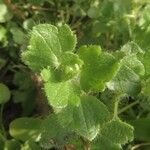
Veronica hederifolia
سیزاب ایرانی · Ivy-leaved Speedwell · Small henbit · Ivy-leaf speedwell · Ivyleaf speedwell
Description
Source: leafsnapVeronica hederifolia, commonly known as ivy-leaved speedwell, is a low-growing perennial plant that belongs to the Plantaginaceae family. Native to Europe and Asia, this plant has also been introduced and naturalized in many parts of North America. It has a spreading habit and can reach up to 30 cm in height. The leaves of Veronica hederifolia are small, glossy green, and resemble ivy, with a distinct three-lobed shape. The plant produces numerous small flowers, each with four petals that are typically blue or purple. These flowers bloom from late spring through summer. Ivy-leaved speedwell thrives in moist soils but can adapt to dry conditions once established. It grows well in full sun or partial shade and is often used as a ground cover or border plant because of its low-growing nature. Historically, the plant has been used for its medicinal properties, particularly for its anti-inflammatory effects. Ancient cultures also attributed magical properties to it, using it for protection against evil spirits. Overall, Veronica hederifolia is an attractive perennial that adds color and texture to gardens while also offering some medicinal benefits.
🎭 Allegiance and faithfulness
Care Guide
💧 Water Every 7 days
Ivy-leaved speedwell thrives in environments that resemble its native temperate zones, where there is consistent moisture and evenly moist soil. To maintain soil hydration, it's helpful to follow a weekly watering schedule. Typically grown outdoors, ivy-leaved speedwell also benefits from rainwater during its active growing season, which helps meet its hydration requirements.
How should I water my Ivy-leaved speedwell properly?
To water Ivy-leaved speedwell, you have several options like using a garden hose with a spray nozzle or a watering can. This plant is not too particular about the type of water it receives, as it can tolerate rainwater, tap water, or even filtered water. It is generally recommended to avoid watering from overhead to prevent damage to the leaves and flowers and reduce the risk of disease. A drip irrigation system works well for Ivy-leaved speedwell as it provides even and direct watering to the soil. In the case of container-grown Ivy-leaved speedwell, you can use a cup, watering can, or tap water to water it directly into the soil.
What should I do if I give too much water or too little water to my Ivy-leaved speedwell?
To prevent underwatering Ivy-leaved speedwell, simply water it consistently when you notice it lacks moisture. Overwatering, on the other hand, can have more severe consequences. It can lead to diseases that cause the plant to decline and die. To prevent overwatering, choose a growing location that receives plenty of sunlight and has good drainage. If your potted Ivy-leaved speedwell is overwatered, consider changing to a new pot with better drainage. Use loose soil and a pot that drains efficiently when repotting.
How frequently do I need to water my Ivy-leaved speedwell?
To keep your Ivy-leaved speedwell healthy, you'll need to water it throughout the growing season. In spring, you should water it once a week. As the weather gets warmer, you may need to increase your watering to two or three times per week. However, be careful not to overwater, as this can harm the plant. It's important to keep the soil moist but not soaked, regardless of how often you water. If your Ivy-leaved speedwell is in a pot, you'll need to water it more frequently. Potted soil tends to dry out faster, so plan to water it a few times per week. In contrast, an in-ground plant only needs watering once per week.
How much water does my Ivy-leaved speedwell plant need?
Determining how much water to give your Ivy-leaved speedwell can be done in a few different ways. Some gardeners prefer to rely on their senses and feel the soil for moisture. In this method, you would water the plant until the top six inches of soil feel moist. Another approach is to use a specific measurement. Typically, Ivy-leaved speedwell requires about two gallons of water per week, but this can vary depending on the weather and soil conditions. However, it's important to be cautious not to overwater if your plant doesn't need that much. If you're growing Ivy-leaved speedwell in a container, a different method is needed. You should water until all layers of soil have dried out and then moisten them thoroughly. To check if the soil is dry, simply insert your finger into it. Another indicator is when you see a small amount of excess water draining from the pot's holes.
How do I know if I'm giving enough water to my Ivy-leaved speedwell plant?
Avoiding overwatering Ivy-leaved speedwell can be a bit challenging due to some conflicting factors. These plants have deep roots that need to be moistened weekly, but they are also highly prone to root rot if overwatered. Overwatering can lead to browning of the plant. On the other hand, underwatering is less likely to occur as Ivy-leaved speedwell can survive for a while without additional watering. However, if left without water for too long, they may start to wilt and exhibit dry leaves.
☀️ Light Full sun
The ivy-leaved speedwell grows best in full, direct sunlight. Although it can tolerate dappled or partial shade, abundant sun produces healthier flowers. Its origin in bright habitats explains its preference for plenty of light. Both too much and too little sun can stunt its growth or dull its foliage.
What are the sunlight requirements for ivy-leaved speedwell?
Ivy-leaved speedwell, also known as Veronica hederifolia, thrives best under full sun, requiring more than 6 hours of direct sunlight daily. It can also grow in partial sun, with about 3-6 hours of sunlight. However, achieving the best balance of light and shade is crucial for the plant's health, as both over and underexposure to sunlight can affect its growth and foliage vibrancy. Notably, the plant originates from well-lit environments, which accustoms it to abundant sunlight, resulting in healthier blossoms when exposed adequately.
How do you manage lighting for indoor ivy-leaved speedwell plants?
When natural sunlight is insufficient for indoor ivy-leaved speedwell plants, especially during winter or in less sunny spaces, artificial lights become essential. These lights promote faster and healthier growth by providing adequate lighting. LED lights are recommended due to their customizable wavelengths, catering specifically to plant needs. For full sun plants, 30-50W/sq ft of artificial light is required; partial sun plants need 20-30W/sq ft, and full shade plants require 10-20W/sq ft. The light source should be placed 12-36 inches above the plant to mimic natural sunlight, and the duration should parallel natural daylight hours, with most plants needing 8-12 hours of light per day.
What are the symptoms of inadequate light exposure in ivy-leaved speedwell?
Ivy-leaved speedwell shows several symptoms when exposed to inadequate light, including smaller new leaves, leggy or sparse growth, faster leaf drop, slower or halted new growth, lighter-colored new leaves indicating a lack of chlorophyll, chlorosis leading to green color loss, sunscald characterized by pale or necrotic areas due to intense sunlight, leaf curling as a defense mechanism against sunlight overexposure, wilting from excessive water loss, and leaf scorching showing as brown, crispy edges or patches from too much sun.
What solutions can help ivy-leaved speedwell receive adequate sunlight?
To ensure ivy-leaved speedwell receives adequate sunlight, gradually moving the plants to sunnier locations each week is advisable until they get at least 6 hours of direct sunlight daily. For indoor plants, using a south-facing window and keeping curtains open during the day maximizes sunlight exposure. Desiring additional lighting for large or immovable plants involves using artificial light, such as desk or ceiling lamps for at least 8 hours daily or investing in professional plant grow lights. Outdoors, it's crucial to adjust the plants' location gradually to prevent sunburn. Minimizing obstructions, like pruning branches or leaves blocking sunlight, and transplanting smaller plants during their dormant period to sunnier spots with good drainage are also effective strategies.
🌡️ Temperature 5–35°C
Ivy-leaved speedwell comes from areas with a typical temperate climate. It prefers temperatures of about 68 to 95 °F (20 to 35 °C), matching its native environment. For best growth, seasonal adjustments may be needed to keep conditions within this preferred temperature range.
What is Ivy-leaved speedwell and where is it native to?
Ivy-leaved speedwell, scientifically known as Veronica hederifolia, is native to regions that have a typical temperate climate. It flourishes in conditions that are balmy, preferring temperatures within the range of 68 to 95 °F (20 to 35 °C), which mimics its native environment. For optimal growth, it may require seasonal adjustments to maintain this ideal temperature range.
How does Ivy-leaved speedwell handle cold weather?
Ivy-leaved speedwell possesses strong cold resistance, meaning special frost protection measures are generally not necessary during the winter. However, if winter temperatures are expected to drop below -25°C, it is important to provide cold protection to the plant. This can be achieved by covering the plant with soil or straw. Additionally, before the first freeze of autumn, it's recommended to water the plant abundantly to ensure the soil remains moist and enters a frozen state. This helps prevent drought and water scarcity for the plant during winter and early spring.
What should be done if Ivy-leaved speedwell experiences low temperatures?
Ivy-leaved speedwell is cold-tolerant and thrives best when the temperature remains above 20°C. During winter, it should be kept above 0°C. If temperatures fall below -25°C, the plant may not show noticeable changes during winter but may experience a decrease in sprouting or fail to sprout at all during spring. In such scenarios, it is recommended to remove any parts of the plant that have failed to sprout in spring.
How does Ivy-leaved speedwell react to high temperatures, and what are the solutions?
During the summer, it's important to keep Ivy-leaved speedwell below 35°C. If the temperature exceeds 38°C, the plant's leaves may become lighter in color, prone to curling, susceptible to sunburn, and in severe cases, the entire plant may wilt and become dry. To mitigate these issues, trim away the sunburned and dried-up parts of the plant. Move the plant to a location that provides shade from the midday and afternoon sun, or use a shade cloth to create shade. Additionally, watering the plant in the morning and evening can help keep the soil moist and protect the plant from high temperature stress.
💨 Humidity
🪴 Soil 6-7
🌱 Fertilizer
Ivy-leaved speedwell responds well to regular, dilute applications of fertilizer to encourage healthy leaf growth. You should feed Ivy-leaved speedwell about once a month during the summer. Nitrogen is essential for foliage, and providing nitrogen-rich sources helps Ivy-leaved speedwell thrive.
🪴 Pot & Repot Every 12 months
✂️ Pruning
To keep your ivy-leaved speedwell looking its best and to minimize nutrient loss, remove any wilted flowers regularly. For pruning, choose sunny and dry mornings, and trim the flowering branches back to just above the last flower. This will help promote blooming every 20 days. After winter, once temperatures rise above 0℃, prune away any yellowed parts to stimulate new growth.
🌿 Propagating
🐛 Diseases & pets
☠️ Toxicity
Characteristics
- Plant Type
- Herb
- Life Cycle
- Annual, Biennial
- Genus
- Veronica
- Family
- Plantaginaceae
- Hardiness Zone
- 5-9
- Mature Height
- 10 cm to 40 cm
- Mature Spread
- 15 cm
- Leaf Color
- Green
- Leaf Type
- Deciduous
- Flower Color
- Blue
- Flower Size
- 1.02 cm
- Bloom Time
- Spring
- Planting Time
- Summer
- Harvest Time
- Late spring, Early summer, Mid summer
- Native Area
- Europe, Asia, Middle East