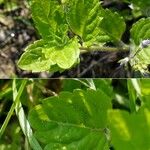
Veronica montana
Wood speedwell · Mountain Speedwell
Description
Source: leafsnapVeronica montana, commonly known as mountain speedwell, is a perennial herbaceous plant in the Plantaginaceae family. Native to Europe and Asia, it has been introduced and naturalized in North America. The plant can grow up to 30 cm tall with a spreading habit and numerous stems that produce small blue-violet flowers arranged in dense spikes from late spring through summer. Its leaves are lance-shaped, toothed, and oppositely arranged on the stem. Mountain speedwell prefers moist, well-drained soils but can tolerate dry conditions once established. It thrives in full sun or partial shade and can be used as a ground cover or border plant in gardens or naturalized areas. The nectar-rich flowers attract bees, butterflies, and other pollinators. For centuries, Veronica montana has been used medicinally for its anti-inflammatory properties, which can help alleviate respiratory ailments such as coughs and bronchitis. The leaves have also been used topically for their antiseptic properties in wound healing. Overall, Veronica montana is an attractive perennial herbaceous plant that adds color to gardens and offers medicinal benefits when properly utilized.
Care Guide
💧 Water Every 7 days
Wood speedwell prospers in woodland settings, favoring well-drained, moderately moist soil. To keep its foliage lush and its flowers vibrant, it requires weekly watering during its active growing season. This regular watering mirrors its adaptation to the understory habitat's water availability, ensuring consistent moisture levels.
How should I water my Wood speedwell plant for the best results?
To ensure the health of your Wood speedwell plant, it is recommended to use filtered water at room temperature. Tap water may contain harmful particles, so filtering it is important. Additionally, because the Wood speedwell is accustomed to warm climates, it is advised to avoid cold water as it may shock the plant. Instead of overhead watering, simply water the soil with your filtered room temperature water until it is thoroughly soaked. This will benefit the plant by providing moisture to the roots and allowing them to spread and collect nutrients.
What should I do if I give my Wood speedwell too much or too little water?
The health of your Wood speedwell can be negatively affected by both overwatering and underwatering, but overwatering is a more common issue. When this species receives too much water, its stems and leaves may wilt and turn yellow. Overwatering over time can also lead to diseases like root rot, mold, and mildew, which can be fatal to your plant. Underwatering is not as likely for Wood speedwell since it can tolerate drought reasonably well. However, it is still a possibility, and in such cases, the leaves may become brittle and brown. It is important to promptly recognize the signs of overwatering when caring for your Wood speedwell. Some diseases caused by overwatering, such as root rot, may be irreversible if you take too long to address them. If you notice early signs of overwatering, reduce your watering schedule immediately. Additionally, check the quality of the soil in which your Wood speedwell is planted. If the soil drains poorly, replace it with a loose, well-draining potting mix. Alternatively, if you notice signs of insufficient water, simply water more regularly until the signs disappear.
How often do I need to water my Wood speedwell plant?
If your Wood speedwell plant is in a pot, you can easily check if it needs water by sticking your finger into the soil. If the top two to three inches of soil feel dry, then it's time to water it. If you have your Wood speedwell planted outdoors in the ground, you can use the same finger test to check the soil moisture. When the top few inches of soil are dry, it's time to water. Usually, during the spring and early fall, watering this plant once a week is sufficient. However, when it gets really hot, you might need to water it twice a week or more. But keep in mind that mature and well-established Wood speedwell plants are quite resilient and can tolerate drought well.
How much water does my Wood speedwell plant need?
When watering your Wood speedwell, it's important not to hold back on the amount of water you give. Wait until the top layer of soil is about two to three inches dry, and then give the plant a good, thorough watering. Make sure the water completely soaks the soil. You should add enough water to cause excess water to flow out of the drainage holes at the bottom of the pot. If you don't see any excess water draining, you may not have given enough water. On the other hand, be careful not to let water accumulate in the soil, as that can be harmful to the plant. If there is no water draining through the pot, it may indicate that the soil doesn't drain well, which is not good for the plant's health. If the plant is outdoors, it generally needs about 1 inch of rain per week.
How do I water my Wood speedwell as it grows?
The water needs of the Wood speedwell can vary depending on its growth stages. When it is in its early years or has recently been transplanted, it requires more water than usual. During these stages, the Wood speedwell dedicates a lot of energy to developing new roots, which need additional moisture to support future growth. However, as the plant matures, it will require less water. Another stage that may necessitate increased watering is the blooming period, as the development of flowers requires a significant amount of moisture.
☀️ Light Full sun
Wood speedwell performs best when exposed to unobstructed, full sunlight. Although it can tolerate spots with reduced light, its optimum growth is seen in bright, sunlit areas. Excessive sun can be damaging, while too little light lowers its vigor. Its ability to handle different light levels reflects the varied habitats it originally occupied.
What are the sunlight requirements for Wood speedwell?
Wood speedwell requires full sun exposure to thrive optimally, which means it needs more than 6 hours of sunlight a day. However, it can also adapt to partial sun conditions, receiving about 3-6 hours of sunlight. Ensuring the right balance of light and shade, by watching how sunlight moves through your garden, is crucial for the happiness and growth of your plants.
What essentials should be considered for growing Wood speedwell successfully?
Growing Wood speedwell successfully requires unobstructed full exposure to the sun, although it can adapt to environments with less sun. Optimal growth is observed in sun-soaked areas, but both overexposure and insufficient sunlight can impact the plant negatively. It’s adaptable to different light conditions due to its diverse original habitats. In situations where natural sunlight is insufficient, artificial lighting can be a vital solution. Indoor plants benefit from specific types of artificial light, such as LED lights, which should be set up to provide the necessary wattage and positioned 12-36 inches above the plant. The duration of artificial lighting should mimic natural daylight hours, typically needing 8-12 hours per day.
What are the symptoms of insufficient or excessive sunlight in Wood speedwell?
Symptoms of insufficient sunlight in Wood speedwell include smaller new leaves, leggy or sparse growth, faster leaf drop, slower or no new growth, lighter-colored new leaves, and chlorosis. Symptoms of excessive sunlight exposure include sunscald, leaf curling, wilting, and leaf scorching. These symptoms reflect the plant’s struggle to adapt to the light conditions, impacting its health and growth.
What solutions can alleviate sunlight-related issues for Wood speedwell?
To address sunlight-related issues in Wood speedwell, gradually acclimate indoor plants to increase their light exposure by moving them closer to a south-facing window or using artificial lights for at least 8 hours daily. Outdoor plants should also be gradually moved to sunnier spots, avoiding sudden changes that could lead to sunburn. Reducing obstructions, such as pruning trees to allow more sunlight through, and transplanting to better locations with ample sunlight and good drainage, are essential for ground plants. Remember, parts of the plant that suffered from insufficient light might not recover, but new growth will be healthy following increased light exposure.
🌡️ Temperature 0–35°C
Wood speedwell is indigenous to temperate regions where temperatures range from 32 to 95 °F (0 to 35 ℃). To encourage its growth, it is recommended to maintain that temperature range through the seasons when possible.
What is the native climate for Wood speedwell?
Wood speedwell, or Veronica montana, is native to temperate climates, thriving in temperatures ranging from 32 to 95°F (0 to 35°C). To support its growth, it's beneficial to maintain a similar temperature range across different seasons if possible. Wood speedwell has a strong resistance to cold, making special frost protection measures typically unnecessary during winter. However, for temperatures expected to fall below -35°C, protective measures such as covering the plant with soil or straw are recommended. To assist in drought prevention during winter and early spring, it's advised to water the plant abundantly before the first freeze in autumn, ensuring the soil is moist as it freezes.
How should Wood speedwell be cared for in low temperatures?
Wood speedwell is noted for its cold tolerance, performing optimally when kept above 0°C. Despite its resilience, keeping it above -30°C during winter is advised. At temperatures below -35°C, the plant may not exhibit noticeable changes during the winter but could experience decreased sprouting or fail to sprout in the spring. Should this occur, it's recommended to remove any parts of the plant that have failed to sprout in the spring.
What are the care instructions for Wood speedwell in high temperatures?
During the summer months, it's important to ensure that Wood speedwell is kept below 35°C, as exceeding 38°C can result in the leaves becoming lighter in color, prone to curling, and susceptible to sunburn. In severe cases, the plant may wilt and dry out entirely. To mitigate these effects, sunburned and dried-up parts of the plant should be trimmed away. For added protection, move the plant to a shaded location during the midday and afternoon sun or use a shade cloth. Additionally, watering the plant in the morning and evening can help maintain moisture in the soil, preventing the plant from drying out.
💨 Humidity
🪴 Soil 5-7
🌱 Fertilizer
The best time to fertilize a Wood speedwell is in early spring, as it is coming out of dormancy and beginning active growth. Fertilization supplies essential nutrients for healthy growth. Although Wood speedwell has relatively modest fertilizer requirements, applying fertilizer annually can improve its survival and encourage better, longer-lasting flowers.
🪴 Pot & Repot
✂️ Pruning
Wood speedwell is a low-growing perennial plant that features blue flowers and heart-shaped leaves. To promote healthy growth and abundant flowering, it's best to prune this plant from early to late spring. During pruning, remove any dead stems and thin out overcrowded areas to allow for better air circulation. Always use clean tools to minimize the risk of spreading diseases. Regular pruning helps maintain vigorous and attractive growth in your wood speedwell.
🌿 Propagating
🐛 Diseases & pets
☠️ Toxicity
Characteristics
- Plant Type
- Herb
- Life Cycle
- Perennial
- Genus
- Veronica
- Family
- Plantaginaceae
- Hardiness Zone
- 3-9
- Mature Height
- 8 cm to 10 cm
- Mature Spread
- 30 cm to 61 cm
- Leaf Color
- Dark Green, Forest Green
- Leaf Type
- Semi-evergreen
- Flower Color
- Purple, Blue
- Flower Size
- 0.76 cm
- Bloom Time
- Mid spring, Late spring, Early summer
- Planting Time
- Spring, Summer, Autumn
- Harvest Time
- Summer
- Native Area
- Turkey, Sweden, Austria, Czech Republic, Slovakia, Bulgaria, Poland, Greece, Croatia, Slovenia, Ukraine, Serbia, Russia, Hungary, Germany, Italy, Spain, Switzerland, Denmark, Netherlands, France, Albania, Ireland, United Kingdom, Romania, Latvia, Algeria, Belgium, Moldova, Portugal