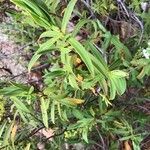
Veronica speciosa
شمشاد ابلق · Speedwell
Description
Source: leafsnapHebe speciosa is a species of flowering plant in the plantain family known by the common names New Zealand hebe, showy hebe, showy-speedwell, and the Maori names Titirangi and Napuka. It is native to New Zealand but it can be found in other parts of the world where it is grown as an ornamental for its showy flowers.
💡 The New Zealand hebe is a popular garden plant frequently used as a parent in hybridization. As a result, there are many cultivars of Veronica speciosa. However, the original Veronica speciosa stands out with its magenta flowers and small pinkish hairs along the edges of its leaves.
🌳 New Zealand hebe is important in local ecosystems because it attracts a variety of pollinating insects, such as bees and butterflies. This not only assists its own reproduction but also helps pollinate nearby plants, thereby supporting the overall health and biodiversity of the habitat. With plentiful nectar, New Zealand hebe provides an appealing food source for these essential pollinators, aiding the continuation of plant and insect life cycles.
🎭 Allegiance and faithfulness
Care Guide
💧 Water
The New Zealand hebe is well-suited to its native habitat and is drought-tolerant, needing watering only every 2-3 weeks. Its efficient water storage capabilities make it important to consider seasonal growth cycles for optimal hydration, particularly when the plant is grown outdoors.
☀️ Light Partial sun
New Zealand hebe needs a substantial amount of sunlight to grow well. Native to a sunny habitat, it tolerates and thrives in those conditions. Nevertheless, an extended lack of adequate light can affect its growth, and too much sun exposure can also cause harm.
What are the sunlight requirements for New Zealand hebe?
New Zealand hebe requires considerable exposure to sunlight to maintain its health. It thrives in environments abundant in sunlight and can flourish under such conditions. Full sun, characterized by above 6 hours of sunlight, is ideal for its growth, while partial sun, about 3-6 hours of sunlight, is also sufficient. However, it is vital to watch how sunlight moves through your garden to ensure plants receive the perfect balance of light and shade, as both insufficient sunlight and overexposure could potentially harm the plant.
How can artificial lighting be used for New Zealand hebe indoors?
When natural sunlight is insufficient, particularly during winter or in less sunny spaces, artificial lighting can play a crucial role in the growth of New Zealand hebe indoors. Indoor plants can benefit greatly from artificial lights, such as LED, which can be customized to provide specific wavelengths needed for optimal growth. The general guidelines suggest full sun plants require 30-50W/sq ft, partial sun plants need 20-30W/sq ft, and full shade plants need 10-20W/sq ft of artificial light. The light source should be placed 12-36 inches above the plant to mimic natural sunlight conditions, and it's advised to mimic natural daylight hours, usually giving plants 8-12 hours of light per day.
What are the symptoms of New Zealand hebe when it's not getting enough sunlight?
When New Zealand hebe does not receive adequate sunlight, it may exhibit several symptoms indicating light deficiency. These include smaller new leaves, leggy or sparse growth, faster leaf dropping, slower or halted growth, and lighter-colored new leaves. Additionally, symptoms like chlorosis (leaves turning yellow), sunscald (damaged leaves or stems), leaf curling, wilting, and leaf scorching can occur due to excessive sunlight. These conditions reflect the plant's struggle with its environment, impacting its overall health and growth.
How can I address sunlight-related issues for New Zealand hebe?
To counteract sunlight-related issues in New Zealand hebe, it's essential to gradually increase its exposure to sunlight. For indoor plants, moving them to a sunnier location each week, such as near a south-facing window, or using artificial light sources like desk lamps or professional plant grow lights for at least 8 hours a day can be highly effective. For outdoor plants, choosing the best spot for sunlight and making gradual adjustments to avoid sunburn is crucial. Additionally, reducing obstructions and considering transplanting smaller plants can ensure ample sunlight exposure. For damaged parts caused by insufficient sunlight, although recovery may not be possible, new growth should be healthy once conditions improve.
🌡️ Temperature 0–35°C
New Zealand hebe is native to habitats with temperatures ranging from 32 to 95 °F (0 to 35 ℃). It tolerates cold frosts and does especially well in areas with moderate summers. Adjusting temperatures across seasons can help encourage its growth.
What is the indigenous temperature range for New Zealand hebe?
New Zealand hebe is indigenous to environments where the temperature ranges from 32 to 95 °F (0 to 35 °C). It can endure cold frosts and thrives particularly in moderate summer climates. The plant shows strong cold resistance and ordinarily does not require special frost protection measures during winter. However, managing temperatures in different seasons can promote its optimal growth.
How should New Zealand hebe be protected during extremely cold winters?
For New Zealand hebe, special frost protection measures are generally not necessary due to its strong cold resistance. However, in anticipation of winter temperatures dropping below -35°C, it is important to protect the plant. Wrapping the trunk and branches with non-woven fabric or cloth can provide necessary insulation. Additionally, watering the plant abundantly before the first freeze in autumn ensures the soil remains moist and enters a frozen state, which helps to prevent drought and water scarcity during winter and early spring.
What are the symptoms and solutions for New Zealand hebe exposed to low temperatures?
New Zealand hebe is cold-tolerant and performs best when temperatures are kept above 0°C. However, it should not be exposed to conditions colder than -30°C. When temperatures fall below -35°C, no immediate changes might be noticeable during winter, but come spring, branches may become brittle, dry, and devoid of new shoots. In such cases, it is recommended to prune away any dead branches that have failed to produce new leaves as a response to the damage.
What symptoms do New Zealand hebe plants show when exposed to high temperatures, and what are the solutions?
During summer, it is advised to keep New Zealand hebe below 35°C. Exposure to temperatures exceeding 38°C can result in lighter-colored leaves, with the tips becoming dry and withered, making the plant more susceptible to sunburn. To manage this, trim away the sunburned and dried-up parts of the plant. Moving the plant to a shaded location or using a shade cloth can protect it from the midday and afternoon sun. Ensuring the soil remains moist by watering in the morning and evening can also alleviate stress from high temperatures.
💨 Humidity
🪴 Soil 6-7
🌱 Fertilizer
The timing of fertilizing New Zealand hebe is important. Feed it in early spring and repeat every month until early summer. Fertilizer encourages attractive blooms and supplies energy both during dormancy and active growth.
🪴 Pot & Repot Every 12 months
✂️ Pruning
The New Zealand hebe is known for its vibrant blooms and dense foliage. For best results, prune it in early spring to remove any dead stems and thin out crowded branches to improve air circulation. Be careful not to prune too heavily, as this can cause sap loss. Always use clean tools when pruning, and properly dispose of any cuttings.
🌿 Propagating
🐛 Diseases & pets
☠️ Toxicity
Characteristics
- Plant Type
- Shrub
- Life Cycle
- Perennial
- Genus
- Veronica
- Family
- Plantaginaceae
- Hardiness Zone
- 3-9
- Mature Height
- 0.91 m to 2.13 m
- Mature Spread
- 0.91 m to 1.22 m
- Leaf Color
- Green
- Leaf Type
- Evergreen
- Flower Color
- Purple, Violet
- Flower Size
- 1.02 cm
- Bloom Time
- Late spring, Early summer, Mid summer
- Planting Time
- Spring, Autumn
- Harvest Time
- Mid summer
- Native Area
- New Zealand