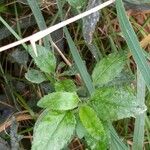
Veronica spicata
Spiked speedwell · Breckland Spiked Speedwell · Axveronica (S) · Băiețel · Spiked Veronica
Description
Source: leafsnapVeronica spicata, commonly known as spike speedwell, is a perennial flowering plant that belongs to the family Plantaginaceae. Native to Europe and Asia, this plant has been widely cultivated in gardens and landscapes around the world. It grows up to 2 feet tall and produces spikes of small blue or purple flowers that bloom from late spring through summer. The leaves are lance-shaped, dark green, and arranged in opposite pairs along the stem. Spike speedwell thrives in full sun or partial shade with well-drained soil. It is a low-maintenance plant that requires minimal watering once established. Propagation can be done by division or from seed. Spike speedwell possesses several medicinal properties, including anti-inflammatory, antiseptic, and diuretic effects, making it useful for treating various ailments such as respiratory and urinary tract infections, among others. In addition to its medicinal uses, spike speedwell also attracts pollinators like bees, making it an excellent addition to pollinator gardens. Overall, Veronica spicata is an attractive perennial flowering plant with low maintenance requirements. It’s a great choice for gardeners seeking easy-to-grow plants with beautiful blooms throughout the summer months, while also providing benefits beyond aesthetics, such as attracting pollinators and offering medicinal uses.
🌳 A notable feature of spiked speedwell is its ability to attract beneficial insects, including pollinators like bees and butterflies. Its nectar-rich flowers support insect biodiversity, contribute to a healthier ecosystem, and help pollinate nearby plants, which can produce cascading positive effects on local flora.
🎭 Allegiance and faithfulness
Care Guide
💧 Water Every 7 days
Spiked speedwell, a plant native to temperate grasslands, thrives with regular moderate moisture but should avoid waterlogging. It maintains its health with weekly watering. This perennial is well-suited for garden beds, benefiting from natural rainfall and additional irrigation during prolonged dry spells.
How should I water my Spiked speedwell plant in the best way?
To properly water the Spiked speedwell, it is recommended to use filtered water at room temperature. Tap water may contain harmful particles, so it is best to avoid using it. The Spiked speedwell is accustomed to a warm environment, so using cold water can be a shock to its system. It is important to not water the plant overhead, as this can cause issues with the foliage. Instead, simply apply the filtered room temperature water directly to the soil until it is completely soaked. This helps to moisten the roots and allow them to spread and absorb necessary nutrients from the soil.
What should I do if I give my Spiked speedwell too much or too little water?
Overwatering and underwatering are both bad for the health of your Spiked speedwell, but overwatering is more common. When this plant gets too much water, its stems and leaves may wilt and turn yellow. Overwatering for too long can also cause diseases like root rot, mold, and mildew, which can kill your plant. Underwatering is less likely for the Spiked speedwell because it can handle drought to some extent, but it's still possible. When underwatering happens, the plant's leaves may become brittle and brown. It's important to recognize the signs of overwatering early when taking care of your Spiked speedwell. Some diseases caused by overwatering, such as root rot, might not be fixable if you wait too long. If you notice early signs of overwatering, reduce your watering schedule right away. Also, check the quality of the soil where your Spiked speedwell is growing. If the soil doesn't drain well, replace it with a loose, well-draining potting mix. On the other hand, if you see signs of underwatering, simply water more regularly until those signs go away.
How often do I need to water my Spiked speedwell?
If your Spiked speedwell plant is in a pot, the best way to check if it needs water is to stick your finger into the soil. If the top two to three inches are dry, then it's time to water it. If your Spiked speedwell is planted in the ground outdoors, you can use a similar method to test the soil. When the top few inches of soil are dry, it's time to water. Usually, during spring and early fall, you'll need to water about once a week using this method. However, during extremely hot weather, you may need to water twice or more per week. It's worth noting that mature and well-established Spiked speedwell plants can withstand drought quite well.
How much water does my Spiked speedwell plant need?
When watering your Spiked speedwell, don't hold back on the amount of water you give. Make sure the first two to three inches of soil are dry before watering. It's important to thoroughly soak the soil, allowing excess water to drain through the bottom holes of the pot. If you don't see any excess water draining, you might not be giving enough water. However, be careful not to let water accumulate in the soil as it can harm the plant. If water isn't draining properly, it could be due to poorly draining soils, which should be avoided. For outdoor plants, 1 inch of rain per week is sufficient.
How do I water my Spiked speedwell as it grows?
The water needs of the Spiked speedwell can vary depending on its growth stages. In the early years or after being transplanted, it will require more water due to the energy it puts into growing new roots. These roots need extra moisture to support future growth. After a few seasons, the water requirements decrease. Additionally, during the bloom period, the Spiked speedwell may need more water as flower development uses a considerable amount of moisture.
☀️ Light Full sun
Spiked speedwell does best when it gets plenty of sunlight for most of the day. It can cope in spots with somewhat less light, but its optimal health and growth are dependent on strong sun exposure. Excessive shade or too much sun can both negatively affect its growth.
What are the sun requirements for Spiked speedwell?
Spiked speedwell requires full sun exposure of above 6 hours of sunlight for optimal health. It can also tolerate partial sun conditions, amounting to about 3-6 hours of sunlight. Observing the movement of sunlight through your garden and choosing locations that provide a good balance of light and shade is crucial for the well-being of your plants.
How essential is sunlight for the growth of Spiked speedwell?
Sunlight plays a significant role in the growth and health of Spiked speedwell. This plant thrives under abundant sun rays for most of the day. Although it can survive in areas with less sunlight, its growth and well-being are best supported by strong sun exposure. Both excessive shade and overexposure to sunlight can negatively affect its growth.
Can artificial lighting be used for Spiked speedwell and how?
Yes, artificial lighting can be a vital solution for Spiked speedwell, especially indoors where natural sunlight might be inadequate, such as during winter or in less sunny areas. Optimal growth is achieved by using the right type of artificial light, like LED lights, which can be customized to provide specific wavelengths needed by the plant. Full sun plants require 30-50W/sq ft, partial sun plants need 20-30W/sq ft, and full shade plants need 10-20W/sq ft. The artificial light source should be placed 12-36 inches above the plant, mimicking natural sunlight conditions, and provided for 8-12 hours per day depending on the species.
What are the symptoms of light deficiency in Spiked speedwell?
Symptoms of light deficiency in Spiked speedwell include smaller new leaves, leggy or sparse growth, quicker leaf drop, halted or no new growth, lighter-colored new leaves, and overall weaker appearance. In contrast, symptoms of too much light exposure include chlorosis (yellowing leaves), sunscald, leaf curling, wilting, and leaf scorching. These indicators reflect the plant's struggle to adapt to inadequate or excessive lighting conditions.
What solutions can be implemented for Spiked speedwell suffering from insufficient or excessive sunlight?
For indoor Spiked speedwell, gradually moving the plant to a sunnier spot each week until it receives at least 6 hours of direct sunlight daily is advisable. Keeping the plant near a south-facing window or using artificial light for at least 8 hours a day can also help. For outdoor plants, it’s essential to gradually acclimate them to brighter conditions while avoiding sudden changes to prevent sunburn. Reducing obstructions like pruning trees or relocating smaller plants can improve sunlight access. It's important to note that while damaged parts may not recover, new growth after adjusting light exposure should be healthy.
🌡️ Temperature 0–32.2°C
Spiked speedwell favors cool to moderate temperatures and comes from regions with temperate climates. It can withstand temperatures ranging from 32 ℉ (0 ℃) up to 90 ℉ (32 ℃), but its preferred range is 50 to 70 ℉ (10 to 21 ℃). In winter, placing mulch around the plant’s base can help protect it from freezing temperatures.
What temperature range is ideal for Spiked Speedwell?
Spiked Speedwell, or Veronica spicata, thrives best in a cool to moderate temperature range, ideally between 50 to 70°F (10 to 21°C). It is capable of tolerating temperatures from 32°F (0°C) up to 90°F (32°C), making it suitable for temperate climates. Proper mulching around the base during winter can help protect it from freezing temperatures, although its strong cold tolerance means that special frost protection measures are not typically required.
How can I protect Spiked Speedwell during very cold winters?
In regions where winter temperatures are expected to drop below -35°C, it is important to provide Spiked Speedwell with protection against the cold. This can be achieved by covering the plant with insulating materials such as soil or straw. Additionally, watering the plant abundantly before the first freeze in autumn helps the soil remain moist and prevents drought and water scarcity for the plant during the colder months.
What should I do if my Spiked Speedwell does not sprout in spring after a cold winter?
If Spiked Speedwell fails to sprout in the spring following a particularly cold winter with temperatures having fallen below -35°C, it is recommended to remove any parts of the plant that have not sprouted. This lack of sprouting could be due to the plant experiencing extreme cold, which may inhibit its growth once the warmer weather arrives.
How does high temperature affect Spiked Speedwell and how can I mitigate it?
When temperatures exceed 35°C, Spiked Speedwell may show signs of stress such as leaves becoming lighter in color, curling, becoming prone to sunburn, and, in severe cases, the entire plant may wilt and dry out. To mitigate these effects, trim away sunburned and dried parts of the plant, move it to a location with shade from the midday and afternoon sun, or use a shade cloth. Additionally, watering the plant in the morning and evening can help keep the soil moist and reduce stress on the plant.
💨 Humidity normal (40-60%)
This plant will thrive in moderate humidity, which is probably the level in your home. However, misting it a few times a week can be very beneficial. Make sure the room has good ventilation.
🪴 Soil 6-7
🌱 Fertilizer
Early spring, when the Spiked speedwell is coming out of dormancy and beginning active growth, is the best time to fertilize. Fertilization supplies essential nutrients for healthy development. Although Spiked speedwell has relatively modest fertilizer needs, applying fertilizer once a year can improve its survival and encourage better, longer-lasting flowers.
Why should I put fertilizer on my Spiked speedwell?
Fertilization is important for the Spiked speedwell for a few reasons. Firstly, it provides necessary nutrients for the plant's growth above and below ground. However, the Spiked speedwell has relatively low fertilization needs and can sometimes survive without it. Despite this, annual fertilization can greatly benefit the plant, keeping it alive and promoting the production of longer-lasting flowers. Therefore, those wanting their Spiked speedwell to thrive should prioritize annual fertilization.
When should I fertilize my Spiked speedwell plant?
The best time to fertilize a Spiked speedwell is late winter to early spring. This is when the plant is coming out of dormancy and starting to grow. Fertilizing at this time helps promote healthy growth for the season. Although early spring is the ideal time, you can also fertilize in the fall. However, it's not recommended to fertilize in the summer or winter.
When is the best time to not fertilize my Spiked speedwell plant?
To properly care for your Spiked speedwell, only fertilize it in late winter and early spring. This plant doesn't require much fertilization, so one feeding per year is sufficient. Avoid fertilizing during spring, summer, and fall to prevent overfertilization and its complications. However, if you forgot to fertilize in spring, you may feed the plant in fall. Additionally, refrain from fertilizing in winter when the plant is in a dormant phase and not actively growing.
What kind of plant food does my Spiked speedwell need?
Spiked speedwell plants can be fertilized with any general-purpose fertilizer that has a balanced amount of the three main nutrients. However, some nutrient blends are especially beneficial. Many gardeners believe that higher levels of phosphorus can promote stronger roots and better flowers. Therefore, using a phosphorus-rich fertilizer may be the best choice for Spiked speedwell. Granular or liquid fertilizers can both be used, as long as they contain sufficient nutrients. In addition to manufactured fertilizers, you can also improve the soil for your Spiked speedwell using organic methods. Compost, manure, and similar materials can greatly enhance the growing medium for your Spiked speedwell.
How should I fertilize my Spiked speedwell plant?
To fertilize a Spiked speedwell, the most common method is to use a granular or pellet fertilizer. It's important to remember the optimal time for fertilization, which is when the plant is transitioning from winter dormancy to active growth. In early spring, wait for the plant to start showing shoots before applying the fertilizer. Alternatively, some people opt for liquid fertilizer, in which case it should be diluted with water before application. Regardless of the type of fertilizer used, it's always advisable to moisten the soil before, during, and after applying it.
🪴 Pot & Repot 2-3 years
When repotting Spiked speedwell, select a pot 1–2 inches (2.5–5.1 cm) larger with ample drainage. Use a well-draining potting mix. Repot in spring or fall, making sure the root ball sits slightly below the rim of the flower pot. Water thoroughly after repotting and place the pot in a warm spot with indirect sunlight.
✂️ Pruning
To help spiked speedwell thrive, it's important to prune it properly. Begin by removing one-third of the plant in early spring, and continue to deadhead it throughout the growing season. Later in the spring, perform a more extensive pruning to rejuvenate the plant's growth. This regular maintenance improves airflow, reduces the risk of disease, and encourages dense foliage and continued blooming.
🌿 Propagating
🐛 Diseases & pets
☠️ Toxicity
Spiked speedwell plants are non-toxic to humans and pets.
Characteristics
- Plant Type
- Herb
- Life Cycle
- Perennial
- Genus
- Veronica
- Family
- Plantaginaceae
- Hardiness Zone
- 3-8
- Mature Height
- 61 cm to 91 cm
- Mature Spread
- 61 cm to 76 cm
- Leaf Color
- Green
- Leaf Type
- Deciduous
- Flower Color
- Blue, Purple
- Flower Size
- 2.54 cm
- Bloom Time
- Early summer, Mid summer
- Planting Time
- Spring
- Harvest Time
- Mid summer
- Native Area
- Northern Europe and Asia