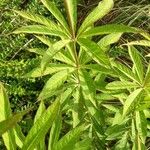
Veronicastrum sibiricum
Siberian veronicastrum · Culver's root · Buddleia
Description
Source: leafsnapVeronicastrum sibiricum, the Sibirian veronicastrum, is a plant in the plantain family, Plantaginaceae.
Care Guide
💧 Water
Culver's root grows best in temperate regions where it can enjoy consistent moisture but can also withstand brief dry periods. To keep the plant healthy, it should be watered weekly. Since it is an herbaceous perennial, it is usually grown outdoors where it can take advantage of natural rainfall, helping to maintain a balanced watering schedule.
☀️ Light Full sun
Culver's root is a perennial herbaceous plant that loves the sun and naturally grows in open environments, typically flourishing in meadows and grasslands. It has an affinity for full sunlight, but can also adapt to conditions of partial sun.
🌡️ Temperature 5–35°C
Culver's root is capable of adjusting to a variety of temperature environments, but its spread may nonetheless be restricted by assorted combinations of heat and moisture conditions. It flourishes optimally in hot climates during the summer, when there's either ample rainfall or sufficient watering. Extended bouts of overcast and wet weather, in addition to prolonged high heat, can make it more likely for Culver's root to perish. During the winter months, providing adequate protection against the cold can enhance the plant's chances of living.
What is Culver's root?
Culver's root, known botanically as Veronicastrum sibiricum, is a plant species recognized by its unique name. The specifics regarding its essentials, such as uses or cultivation tips, and symptoms related to its ingestion or handling, were not provided in the available information.
💨 Humidity
🪴 Soil 6-7
🌱 Fertilizer
The optimal period to apply fertilizer to a Culver's root is in the beginning of spring, as it transitions from dormancy to an active growth phase. This nourishment bestows vital nutrients for its robust growth. While the Culver's root doesn't require much fertilization, yearly feeding can boost its vitality and support the bloom of more vigorous and enduring flowers.
🪴 Pot & Repot
✂️ Pruning
Culver's root is known for its tall flower spikes that bloom in the summer. To help it thrive, begin pruning in early spring by removing any dead stems. In late spring, shape the plant further to encourage bushier growth. Deadheading, or removing spent flowers, promotes longer blooming periods. Additionally, maintaining good airflow around the plant reduces the risk of disease and enhances both the plant's vitality and the garden's appearance.
🌿 Propagating
🐛 Diseases & pets
☠️ Toxicity
Characteristics
- Plant Type
- Herb
- Life Cycle
- Perennial
- Genus
- Veronicastrum
- Family
- Plantaginaceae
- Hardiness Zone
- 5-9
- Mature Height
- 0.91 m to 1.52 m
- Mature Spread
- 91 cm
- Leaf Color
- Dark Green
- Leaf Type
- Deciduous
- Flower Color
- White, Lavender
- Flower Size
- 0.51 cm to 1.02 cm
- Bloom Time
- Summer
- Planting Time
- Spring, Summer, Autumn
- Harvest Time
- Early fall, Mid fall
- Native Area
- Russia, Japan, Mongolia, Koppen, South Korea, China