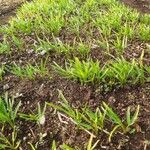
Vetiveria zizanioides
Vetivergrass · Khus-Khus · Ganti · Karabisto · Padang sanur
Description
Source: leafsnapVetiveria zizanioides, commonly known as vetiver, is a perennial grass belonging to the Poaceae family. Native to India, it is extensively cultivated in tropical and subtropical regions worldwide. The plant features a deep root system that can extend up to 4 meters, making it exceptionally effective for soil stabilization and erosion control. Vetiver serves multiple purposes, one of which is its use as a fragrant essential oil in perfumes and aromatherapy products. This oil is extracted from the plant's roots through steam distillation and has a woody, earthy scent commonly found in men's colognes. Beyond its aromatic qualities, vetiver also offers medicinal benefits. It can act as an anti-inflammatory agent for skin conditions like acne and eczema. Additionally, the plant contains compounds that have demonstrated anti-cancer properties. Vetiver grass can be cultivated for soil conservation or harvested for essential oil production. Its deep root system makes it an ideal crop for areas susceptible to erosion or landslides. Overall, Vetiveria zizanioides is a versatile plant with numerous commercial and medicinal uses. It is highly valued by farmers worldwide who are seeking sustainable farming practices and aiming to protect their land from degradation caused by climate change, including the increasing frequency of droughts and floods.
Care Guide
💧 Water Every 7 days
☀️ Light Full sun
Vetivergrass thrives best when it is fully exposed to sunlight for optimal development. Inside its native habitat, it's used to a significant level of brightness. It can manage locations with less sunlight, but its growth might be inhibited. Excessively shaded or highly intense light conditions could potentially damage the plant.
🌡️ Temperature 15–37.8°C
Vetivergrass is a species that flourishes in temperatures between 59 to 100 °F (15 to 38 ℃). Its original habitat is suited to these temperature levels and it may face difficulties in intensely cold or hot conditions. Your local weather conditions may require modifications in the care provided to this plant.
💨 Humidity
🪴 Soil 5-6
🌱 Fertilizer
Species of Vetivergrass can thrive well with one or two doses of organic natural fertilizers containing potassium and phosphorus. Fertilizer should be applied prior to planting, with a focus on integration and comprehensive watering. Generally, a single application suffices, but another application can be carried out after the seedlings have taken root. Overuse of fertilizers should be avoided to evade harm to the plant.
🪴 Pot & Repot 2-3 years
When transplanting Vetivergrass, opt for a pot that's 1-2 inches (2.5-5 cm) larger and has sufficient drainage. Utilize a potting mix that drains well. The ideal times to repot are in the spring or autumn, with the root ball positioned somewhat below the edge of the flowerpot. After the repotting process, water the plant thoroughly and situate it in a warm location where it will receive indirect sunlight.
✂️ Pruning
🌿 Propagating
🐛 Diseases & pets
☠️ Toxicity
Characteristics
- Plant Type
- Grass
- Life Cycle
- Perennial
- Genus
- Vetiveria
- Family
- Poaceae
- Hardiness Zone
- 7-11
- Mature Height
- 1.22 m to 2.44 m
- Mature Spread
- 0.91 m to 1.22 m
- Leaf Color
- Green
- Leaf Type
- Evergreen, Deciduous
- Flower Color
- Tan
- Flower Size
- 20.32 cm to 30.48 cm
- Bloom Time
- Summer
- Planting Time
- Spring, Autumn
- Harvest Time
- Mid summer, Late summer, Early fall
- Native Area
- Nepal, Sri Lanka, India, Malaysia, Indonesia, Cambodia, Vietnam, Myanmar, Bangladesh, Pakistan, Laos, Thailand