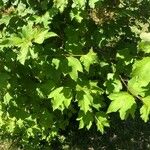
Viburnum acerifolium
Mapleleaf viburnum · Dockmackie · Arrow-wood · Possum haw · Maple-Leaf Arrow-Wood
Description
Source: leafsnapViburnum acerifolium, commonly known as mapleleaf viburnum, is a deciduous shrub native to eastern North America. Typically reaching a height of 3 to 6 feet, it features a rounded shape. The shrub's leaves resemble those of a maple tree, with three lobes and serrated edges. In the fall, these leaves turn striking shades of red and purple. In late spring or early summer, the plant produces clusters of small white flowers, which are followed by blue-black berries in the fall. These berries attract birds and other wildlife. Mapleleaf viburnum thrives in partial to full shade and prefers moist, well-drained soil. It is tolerant of various soil types but does not perform well in dry or compacted soils. This versatile shrub has several uses. It serves as an ornamental plant in landscaping thanks to its attractive foliage and flowers. Its dense root system also makes it effective for erosion control. Additionally, Native Americans have traditionally used it for medicinal purposes, such as treating headaches and reducing fevers. Overall, Viburnum acerifolium is an excellent choice if you're looking for a low-maintenance, native shrub that offers year-round interest.
🎭 Innocence, purity, and calmness
Care Guide
💧 Water Every 7 days
Mapleleaf viburnum, suited to the understory of Eastern North America, thrives in moist, well-drained soil with moderate humidity. It should be watered every 1-2 weeks, allowing the soil to dry slightly in between. Typically cultivated outdoors, this plant benefits from mulching, which helps retain moisture and mimics its natural woodland habitat.
How should I water Mapleleaf viburnum?
Soaker hoses are a great way to keep leaves and flowers moist without getting the entire plant wet. Simply lay the hose around the plant and leave it on for 30 to 45 minutes until the soil is moist but not saturated. You can hook your regular hose to the soaker hose and cover it with mulch. Alternatively, some people use drip feeders to keep the soil moist throughout the day. If you are watering a Mapleleaf viburnum in a pot, it's best to use a watering can. Make sure to water until you see the water dripping from the bottom of the pot. Using a portable watering can allows you to reach the soil and ensure the water penetrates the roots for better growth.
What should I do if I give Mapleleaf viburnum too much or too little water?
If you have overwatered your Mapleleaf viburnum, here are some steps you can take to prevent further damage: Allow the plant to dry out by stopping all watering. Mapleleaf viburnums are resilient and have a good chance of surviving this situation. Since these plants do not tolerate having their roots constantly sitting in water, it may be helpful to aerate the soil. Some signs of overwatering include premature yellowing and falling of leaves, fewer flowers, and misshapen buds. In more severe cases, leaves can become wilted and turn brown. If overwatering persists over time, it can lead to root rot. On the other hand, symptoms of underwatering can be similar to those of overwatering. For instance, wilting of the Mapleleaf viburnum can indicate insufficient watering. To check if the soil is too dry, stick your finger into it. If it feels dry, this is a sign of dehydration. In such cases of underwatering, consider adding water in the evening. Always monitor the soil's dryness and follow a regular watering schedule in the morning.
How often should I water Mapleleaf viburnum? -> How often should I give water to Mapleleaf viburnum?
To properly care for the Mapleleaf viburnum, it is recommended to water it deeply two to three times a week. In hotter climates, more frequent watering may be necessary. The plant's water requirements are average, and it prefers moist but well-drained soil. One way to determine if the plant needs water is by feeling the soil - if it is about 2-4 inches dry, it may be time to water. If the plant is planted outdoors, watering it 1-2 times a week is sufficient, as it will receive additional moisture from rainfall.
How much water does my Mapleleaf viburnum plant need?
The amount of water needed can vary depending on various factors, such as the weather, shade, and the specific species. Newly planted Mapleleaf viburnum plants require more water compared to the established ones. For these plants, giving them a can of water each week is generally sufficient, especially during the growing season and when they are in pots. When the Mapleleaf viburnum plants are outdoors, it is necessary to monitor the amount of rain they receive using moisture meters. If the soil is dry, it's important to water them thoroughly with a sprinkler. To ensure the Mapleleaf viburnum plants receive adequate moisture, it's best to water them less frequently but more thoroughly.
Why do I need to water my Mapleleaf viburnum?
Knowing the watering needs of the plants you are growing is crucial for their healthy growth, regardless of their type. Mapleleaf viburnum, for example, requires a substantial amount of water to thrive and can easily start drooping without adequate moisture. It is important to keep their soil moist, but ensure that the ground has proper drainage to avoid waterlogged conditions that can cause root rot. Both overwatering and underwatering can hinder their flower production and stunt their growth.
☀️ Light Full sun
Highbush cranberry prefers full sun, doing best when bathed in abundant sunlight that supports strong growth and development. It also shows some adaptability in light requirements, tolerating locations with moderate or lower light. Both excessive and insufficient light can potentially limit its growth and vigor.
What are the sunlight requirements for Mapleleaf viburnum?
Mapleleaf viburnum requires partial sun, which means about 3-6 hours of sunlight, or full sun/full shade, implying more than 6 hours of sunlight a day. It's crucial to observe how sunlight moves through your garden to find spots that offer the ideal balance of light and shade for your plants, ensuring their well-being and growth.
How does Mapleleaf viburnum adapt to different light conditions?
Mapleleaf viburnum is quite adaptable to various light conditions due to its origin habitat. It grows best under moderate light intensity but can also flourish in areas with abundant light or significant shade. However, excessive brightness or too much shadow can inhibit its growth or lead to sparse foliage.
What are the solutions for providing artificial lighting to indoor Mapleleaf viburnum plants?
Indoor Mapleleaf viburnum plants require adequate lighting for optimal growth, especially when natural light is insufficient. LED lights are recommended as they can be adjusted to supply specific light wavelengths needed by plants. Full sun plants should have 30-50W/sq ft, partial sun plants 20-30W/sq ft, and full shade plants 10-20W/sq ft of artificial light. Place the light source 12-36 inches above the plants and ensure they receive 8-12 hours of light daily to mimic natural sunlight.
What symptoms indicate a Mapleleaf viburnum is receiving insufficient light?
Symptoms of light deficiency in Mapleleaf viburnum include smaller new leaves, leggy or sparse growth, accelerated leaf drop, slower or halted growth, lighter-colored or yellow new leaves (chlorosis), damage from intense light exposure such as sunscald, leaf curling, wilting, and leaf scorching. These signs show the plant’s struggle to adapt to inadequate light conditions.
How can I remedy light-related issues for Mapleleaf viburnum?
To address light-related issues in Mapleleaf viburnum, gradually adapt your plants to the appropriate amount of sunlight. For indoor plants, move them to sunnier spots weekly or use artificial lighting if relocation is not feasible, ensuring they get 3-6 hours of sunlight or equivalent artificial light daily. Outdoors, move plants to a sunnier location gradually to prevent sunburn. You can also minimize obstructions, like pruning trees, or transplant smaller plants during their dormant period to areas with better sunlight exposure and drainage.
🌡️ Temperature 5–32.2°C
Highbush cranberry is a plant adapted to a wide range of temperatures, doing best between 41 and 89.6 °F (5 to 32 ℃). This temperature window corresponds to its native growing environment. To keep it healthy throughout the seasons, you may need to make adjustments to replicate these conditions.
What are the ideal growing conditions for Mapleleaf viburnum?
Mapleleaf viburnum, or Viburnum acerifolium, thrives in temperate climates with cool winters and mild summers, ideally with temperatures ranging from 41°F (5°C) to 89.6°F (32°C). It's adaptable to slightly lower temperatures in cold seasons but prefers the lower end of its temperature range during hotter seasons. This plant is quite resistant to cold and doesn't usually require special frost protection. However, to prepare for winter, especially if temperatures are anticipated to drop below its growth limit, protecting the plant with non-woven fabric or cloth and watering abundantly before the first freeze can be beneficial. This ensures the soil remains moist and helps prevent drought and water scarcity for the plant during winter and early spring.
How does low temperature affect Mapleleaf viburnum, and what are the solutions?
Mapleleaf viburnum is cold-tolerant and performs best when temperatures are kept above its minimum suitable growth temperature. If winter temperatures drop below this, the plant usually does not show noticeable changes during the winter, but come spring, the branches may become brittle and dry, and no new shoots will emerge. To mitigate these effects, it's advisable to prune away any dead branches that have failed to produce new leaves in the spring.
What should be done if Mapleleaf viburnum is exposed to high temperatures?
During the summer, it's crucial to ensure that Mapleleaf viburnum's temperature does not exceed its maximum suitable growth temperature. Overexposure to high temperatures may result in lighter-colored leaves, dry and withered tips, and increased susceptibility to sunburn. To address this, prune away sunburned and dried-up parts of the plant. Relocating the plant to a shaded area or using a shade cloth to protect it from midday and afternoon sun helps reduce stress. Additionally, maintaining soil moisture by watering the plant in the morning and evening is essential during hot weather.
💨 Humidity
🪴 Soil 5-6
🌱 Fertilizer
The highbush cranberry plant needs adequate nutrients to achieve optimal fruit production. Apply fertilizer in early spring to promote new growth and bloom development. Regular fertilizing helps the plant remain healthy, produce more flavorful fruit, and prevents nutrient-deficiency problems like yellow leaves and poor fruit production.
Why is it important to add fertilizer to my Mapleleaf viburnum?
No matter which kind of Mapleleaf viburnum you have, regular fertilization is important for the overall health of your plant. Providing the right nutrients will promote stronger growth and make your Mapleleaf viburnum more resistant to difficult growing conditions, as well as improving its ability to defend against diseases and pests. The foliage of your Mapleleaf viburnum is one of its most attractive features, so it's crucial to maintain it. This means establishing and following a regular fertilization schedule specific to your Mapleleaf viburnum. By doing so, your Mapleleaf viburnum will grow leaves with rich color and a lush appearance.
When should I fertilize my Mapleleaf viburnum for the best results?
To ensure healthy growth of your Mapleleaf viburnum, it is recommended to fertilize in late winter or early spring. This provides the necessary nutrients for the plant's growth once the weather becomes warmer. If you live in a warm climate, it is also beneficial to fertilize again in early fall. This second feeding adds nutrients to the soil that will benefit the plant in the following growing season and helps protect it from cold winter temperatures. Fertilizing earlier allows the new branches to develop and be more resistant to winter conditions.
When is it best not to fertilize my Mapleleaf viburnum?
To ensure proper care for your Mapleleaf viburnum, avoid fertilizing during specific times of the year. The first is during the early and mid-winter months when the plant is dormant and does not require feeding. Another period to avoid fertilizing is late spring and all of summer, as the hotter and drier weather can adversely affect the plant's response to fertilization. To prevent any issues, follow a fertilization schedule that includes feeding only in early spring and early fall.
Which fertilizer should I use for my Mapleleaf viburnum?
Mapleleaf viburnum primarily requires nitrogen, but this does not undermine the importance of phosphorus and potassium. In fact, a balanced fertilizer such as a 10-10-10 is beneficial because this plant requires a sufficient amount of all three main nutrients. However, for ideal growth, a more precise nutrient ratio tends to work best, with slightly higher nitrogen content being advantageous. For instance, a 10-6-4 ratio often yields satisfactory results. Granular and liquid fertilizers are both suitable options for application.
How should I fertilize my Mapleleaf viburnum?
To fertilize your Mapleleaf viburnum, you have two options: using a granular fertilizer or a liquid fertilizer. If you choose the granular fertilizer, simply sprinkle it on the soil at the appropriate time. The slow-release nature of this fertilizer will gradually release nutrients into the soil over time. It is recommended to lightly water your Mapleleaf viburnum before applying the fertilizer. On the other hand, using a liquid fertilizer is less common but still a viable option. To use this method, mix the fertilizer with water and pour it around the base of your Mapleleaf viburnum. Occasionally, it may be beneficial to perform a soil test beforehand to check if any adjustments to the pH are needed.
🪴 Pot & Repot
✂️ Pruning
The Mapleleaf viburnum is a deciduous shrub known for its distinctive maple-like leaves. To promote growth and maintain its shape, prune the shrub in late spring after it has finished flowering. Be sure to remove dead wood and thin out the branches. Following horticultural guidelines will help to optimize results, improving air circulation and blooming quality.
🌿 Propagating
🐛 Diseases & pets
☠️ Toxicity
Characteristics
- Plant Type
- Shrub
- Life Cycle
- Perennial
- Genus
- Viburnum
- Family
- Viburnaceae
- Hardiness Zone
- 4-8
- Mature Height
- 2.44 m
- Mature Spread
- 0.61 m to 3.66 m
- Leaf Color
- Green, Dark Green
- Leaf Type
- Semi-evergreen
- Flower Color
- White
- Flower Size
- 0.51 cm to 0.76 cm
- Bloom Time
- Mid spring, Late spring
- Planting Time
- Autumn, Winter
- Harvest Time
- Late summer, Early fall, Mid fall
- Native Area
- Russia