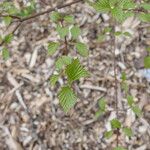
Viburnum betulifolium
Birch-leaf viburnum
Description
Source: leafsnapViburnum betulifolium, the birchleaf viburnum, is a species of flowering plant in the family Viburnaceae, native to China and the island of Taiwan. Shade tolerant, it is often dominant in the shrub layer of the forests in which it occurs. Widely cultivated outside of China, it has attractive bronze to burgundy Autumn foliage, and the masses of bright red berries are attractive to birds. It is hardy to USDA zone 4.
Care Guide
💧 Water
Birch-leaf viburnum thrives best in moderately humid conditions with consistently moist soil, avoiding waterlogging. For optimal hydration, water the plant twice a week. Typically cultivated outdoors for its size and aesthetic charm, birch-leaf viburnum benefits from mulching. This helps retain moisture and mimics its natural leaf litter environment.
☀️ Light Full sun
Birch-leaf viburnum comes from open habitats, like sunny meadows and forest margins, that provide abundant light. It does best in Full Sun but can also tolerate Partial Sun, adjusting well to different light conditions.
What are the sunlight requirements for Birch-leaf viburnum?
Birch-leaf viburnum (Viburnum betulifolium) thrives in various sunlight conditions. It requires full sun, which means it needs above 6 hours of sunlight daily to flourish optimally. It can also grow in partial sun, requiring about 3-6 hours of sunlight. It's essential to observe the way sunlight moves through your garden to find spots that offer the ideal balance of light and shade, ensuring the plants' wellbeing.
🌡️ Temperature 5–32.2°C
Birch-leaf viburnum is highly adaptable to a variety of climate conditions, from scorching summers to chilly winters. It nonetheless has an optimal temperature range for growth. If temperatures become excessively high, the plant is vulnerable to heat and humidity stress, which can cause it to die. In areas where temperatures approach the lower limit of its cold tolerance, it is important to provide insulation to protect the plant.
💨 Humidity
🪴 Soil 5-6
🌱 Fertilizer
Timing is important for fertilizing Birch-leaf viburnum. Apply fertilizer in early spring and continue monthly until early summer. Fertilizer promotes attractive blooms and supplies energy during both dormant and active growth phases.
🪴 Pot & Repot
✂️ Pruning
The birch-leaf viburnum is known for its attractive foliage and vibrant red berries. Pruning in early spring helps remove any dead or crossing branches, which improves the plant's shape, air circulation, and access to light. Regular pruning not only enhances the beauty of the plant but also supports better flowering and fruiting, contributing to its overall health. These practices are consistent with established horticultural standards.
🌿 Propagating
🐛 Diseases & pets
☠️ Toxicity
Characteristics
- Plant Type
- Tree, Shrub
- Life Cycle
- Perennial
- Genus
- Viburnum
- Family
- Viburnaceae
- Hardiness Zone
- 5-8
- Mature Height
- 7.01 m
- Mature Spread
- 3.05 m to 3.66 m
- Leaf Color
- Green, Bronze
- Leaf Type
- Deciduous
- Flower Color
- White
- Flower Size
- 5.08 cm to 11.43 cm
- Bloom Time
- Mid spring, Late spring
- Planting Time
- Spring, Summer
- Harvest Time
- Late summer, Early fall, Mid fall
- Native Area
- China