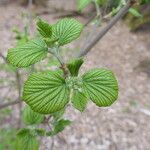
Viburnum dilatatum
Linden viburnum · Linden arrowwood · Arrowwood
Description
Source: leafsnapViburnum dilatatum, commonly known as the linden viburnum or Japanese snowball, is a deciduous shrub belonging to the Adoxaceae family. Native to Japan, Korea, and China, this plant can grow up to 10 feet in height and width, forming a dense, rounded shape. The dark green leaves of Viburnum dilatatum have serrated edges and turn a striking reddish-purple in the fall. In late spring or early summer, the plant produces clusters of white flowers, which are followed by bright red berries in late summer or early fall. Viburnum dilatatum thrives in full sun to partial shade and prefers well-drained soil. While it can tolerate a wide range of soil types, it favors slightly acidic conditions. This plant is relatively low-maintenance, although occasional pruning may be needed to maintain its shape. This versatile shrub is commonly used for landscaping as an ornamental plant, hedge, or screen. Its berries also attract wildlife, making it a valuable addition for those looking to support local ecosystems. Overall, Viburnum dilatatum is an attractive shrub with beautiful foliage and flowers, adding visual interest to any garden landscape while providing ecological benefits by attracting wildlife.
🌳 Although linden Arrowwood is widely recognized for its ornamental value, studies indicate its foliage could serve scientists as a bioindicator for environmental monitoring, sensitively revealing the presence of certain heavy metals, such as cadmium, in contaminated soils, and therefore it has untapped potential for ecological assessment tools.
🎭 Safeguarding, Eternal life, Fortune
Care Guide
💧 Water Every 7 days
Linden Arrowwood thrives in environments with moderate moisture and can withstand short periods of drought. For optimal growth, water the plant every 1–2 weeks, allowing the soil to dry slightly between waterings. Commonly found in temperate zones, it adapts well to varying levels of rainfall, making it an excellent choice for areas with unpredictable weather conditions.
How should Linden Arrowwood be watered?
Using a soaker hose is a great way to keep leaves and flowers moist without getting the entire plant wet. Simply lay the hose around the base of the plant and leave it on for about 30 to 45 minutes. Make sure the soil is moist but not overly wet. Another option is to use drip feeders for ongoing moisture. For potted plants like the Linden Arrowwood, it's best to use a watering can. Water the plant until you see water dripping out of the bottom of the pot. This allows the water to penetrate the roots deeply and promote healthy growth.
What should I do if I give Linden Arrowwood plant too much or too little water?
If you have overwatered your Linden Arrowwood plant, there are a few steps you can take to prevent further damage. Linden Arrowwood plants are hardy, meaning they have a higher chance of surviving. To help the plant recover, give it a chance to dry out by stopping watering. These plants do not tolerate having their roots sitting in water for long periods of time, so aerating the soil can be beneficial. Some signs of overwatering include yellow leaves falling prematurely, fewer flowers, and misshapen buds. In more serious cases, the leaves may become wilted and turn brown, indicating root rot as a result of long-term overwatering. The symptoms of underwatering can be similar to overwatering. If your Linden Arrowwood plant is wilting, it may be a sign of being underwatered. To check, stick your finger into the soil and if it feels dry, this indicates dehydration. It is also possible that the plant may not be receiving enough water, in which case watering in the evening can be helpful. Always check the soil for dryness and follow a regular watering schedule, typically in the morning.
How frequently do I need to water Linden Arrowwood?
To ensure the proper watering of the Linden Arrowwood plant, it is recommended to water it deeply two to three times per week. However, if you live in a hot climate, it may need more frequent watering. The plant requires average water needs and prefers moist but well-drained soil. A helpful tip is to check the moisture level of the soil by feeling it. If the soil is about 2-4 inches dry, it is probably a good time to water the plant. If the plant is outdoors, watering it 1-2 times a week should be sufficient as it will receive additional moisture from rainwater.
How much water does my Linden Arrowwood plant require?
The amount of water needed can vary depending on various factors. These factors include the weather in the area, the amount of shade, and the specific species of plants. If you have recently planted a Linden Arrowwood tree, it will require more water compared to established trees. For Linden Arrowwood in the growing season and when grown in pots, watering them with a can of water each week can be sufficient. When the trees are outdoors, it is important to measure the amount of rain they receive using moisture meters. It is recommended to thoroughly water the trees with a sprinkler when the soil is dry. To ensure that the Linden Arrowwood trees receive adequate moisture, it is best to water them less frequently but more thoroughly.
Why do I need to water my Linden Arrowwood plant?
To ensure optimal growth, it's important to consider the watering needs of the plant you're growing. Linden Arrowwood, in particular, requires a significant amount of water and can easily wilt without adequate moisture. It's necessary to keep the soil moist but also ensure proper drainage to prevent root rot. Both overwatering and underwatering can result in issues such as delayed flower production and stunted growth.
☀️ Light Full sun
Linden Arrowwood enjoys places that are rich in sunlight but can also tolerate areas with partial sun. It originates from environments where there is ample sunshine. Either an excess or lack of sun exposure can affect the plant's health, changing its growth and vigor during various stages of development.
What are the sunlight requirements for Linden Arrowwood?
Linden Arrowwood thrives in locations that receive abundant sunlight but can also tolerate partial sun. Full sun is defined as over 6 hours of direct sunlight per day, while partial sun amounts to about 3-6 hours. It's vital to observe how sunlight moves through your garden to select spots that offer the right mix of light and shade, ensuring the best conditions for your plants' growth and happiness.
How does the amount of sunlight affect Linden Arrowwood?
The health and vitality of Linden Arrowwood significantly depend on sunlight exposure. This plant is naturally accustomed to bountiful sunlight; however, it can adjust to partially sunlit environments. Both overexposure and underexposure to sunlight can adversely affect its growth phases, impacting its overall health. Optimal sunlight exposure is essential for maintaining growth and vitality.
What artificial lighting requirements do indoor Linden Arrowwood plants have?
Indoor Linden Arrowwood plants need adequate lighting, especially when natural sunlight is insubstantial. Artificial lighting can compensate for the lack of sunlight, especially during winter or in less sunny spaces, facilitating faster and healthier growth. LED lights are recommended due to their customizable wavelengths, with full sun plants requiring 30-50W/sq ft, partial sun plants 20-30W/sq ft, and full shade plants 10-20W/sq ft. The light source should be placed 12-36 inches above the plant and turned on for 8-12 hours per day to mimic natural daylight hours optimally.
What are some symptoms of insufficient light in Linden Arrowwood?
When Linden Arrowwood does not receive adequate light, it may exhibit several symptoms indicating stress. These include smaller new leaves, leggy or sparse growth, faster leaf drop, halted or no new growth, and paler new leaves. These symptoms suggest the plant is struggling with light deficiency and conserving its resources by prioritizing survival over growth. Excessive sunlight exposure can also lead to chlorosis, sunscald, leaf curling, wilting, and leaf scorching, which negatively impact the plant's health and appearance.
What are effective solutions for addressing Linden Arrowwood's light needs?
To cater to Linden Arrowwood's light requirements, gradually expose the plant to more light, aiming for at least 6 hours of direct sunlight a day. For indoor plants, use south-facing windows or artificial lights to provide sufficient light. Outdoor plants should be gradually moved to sunnier spots to avoid sunburn. If sunlight is blocked by obstructions like trees, consider pruning them. For plants with insufficient sunlight, moving them during their dormant period to a better-lit location may help. Note that parts of the plant damaged by poor lighting might not recover, but new growth should be healthy with improved light conditions.
🌡️ Temperature 0–32.2°C
Linden Arrowwood is indigenous to regions where the temperature fluctuates from 32 to 90°F (0 to 32°C). It tends to favor chillier settings. Seasonal modifications might be necessary if the temperature starts going above 90°F (32°C).
What is the native climate of Linden Arrowwood?
Linden Arrowwood, scientifically known as Viburnum dilatatum, thrives in environments where temperatures can range between 32 to 90°F (0 to 32°C), with a preference for cooler climates. This plant exhibits strong cold resistance, meaning special frost protection measures are usually not required during winter. However, in cases where winter temperatures are expected to plunge below the plant's growth limit, protection against the cold by wrapping the trunk and branches with materials like non-woven fabric or cloth is advised. It's also recommended to water the plant abundantly before the first freeze of autumn to ensure the soil remains moist and enters the winter in a frozen state, which helps prevent drought and water scarcity for the plant during the colder months.
How should Linden Arrowwood be cared for in low temperatures?
Linden Arrowwood is notably cold-tolerant and thrives best when kept above its minimum suitable growth temperature during winter. However, if temperatures fall below the plant's growth limit, the branches may become brittle and dry by spring, with no new shoots emerging. To address this, it's suggested to prune away any dead branches that have failed to produce new leaves once spring arrives. This maintenance helps ensure the plant remains healthy and capable of new growth after the winter period.
How does high temperature affect Linden Arrowwood and what are the solutions?
In the summer months, Linden Arrowwood should ideally be kept below its maximum suitable growth temperature. When temperatures soar above its tolerable maximum, the plant's leaves may begin to lighten in color, and the tips may dry out and become withered, increasing the plant's susceptibility to sunburn. To mitigate these effects, trim away sunburned and dried-up parts of the plant and move it to a shaded location or use a shade cloth to protect it from the midday and afternoon sun. Additionally, watering the plant in the morning and evening can help keep the soil adequately moist, reducing the stress on the plant caused by excessive heat.
💨 Humidity
🪴 Soil 5-7
🌱 Fertilizer
It's imperative to time the fertilization of Linden Arrowwood correctly. Apply fertilizer in the onset of spring, then maintain a monthly schedule until the start of summer. Using fertilizer aids in generating beautiful blossoms and supplies power throughout the periods of rest and vigorous growth.
Why should I put fertilizer on my Linden Arrowwood?
No matter which type of Linden Arrowwood you have, regular fertilization is crucial for promoting overall plant health. Providing the right nutrients will result in stronger growth and increased resistance to challenging conditions, as well as a better ability to combat diseases and pests. One of the most appealing aspects of your Linden Arrowwood is its foliage, so it's important to maintain it. To achieve this, it's essential to establish and follow a consistent fertilization schedule tailored to your Linden Arrowwood's needs. By doing so, you will encourage the development of vibrant, lush leaves.
What is the best time to fertilize my Linden Arrowwood plant?
To properly care for your Linden Arrowwood, you should fertilize it twice throughout the year. The first fertilization should happen in late winter or early spring, as it will provide the necessary nutrients for the plant to start healthy growth once the weather becomes warmer. In addition, if you live in a warm climate region, it is advisable to give your Linden Arrowwood an extra fertilization in early fall. This will not only supply extra nutrients for the following growing season but also make the plant more resilient to winter cold and prevent foliage damage. By fertilizing earlier, the new branches will have enough time to grow and become stronger before the arrival of cold winter weather.
When is the best time to not add fertilizer to my Linden Arrowwood plant?
There are a few times during the year when you should not fertilize your Linden Arrowwood. The first time is in early and mid-winter when the plant is dormant and doesn't need to be fed. It's also not recommended to fertilize during late spring and summer because the hotter and drier weather during this time can have a negative impact on the plant's response to fertilization. To avoid any issues, it is best to stick to a fertilization schedule of early spring and early fall.
What kind of plant food does my Linden Arrowwood tree need?
Linden Arrowwoods primarily require nitrogen as the most important nutrient, but phosphorus and potassium are also necessary. A balanced fertilizer like a 10-10-10 is generally effective because it provides a decent amount of all three nutrients. However, a more specific ratio of nutrients can promote even better growth in Linden Arrowwoods. Fertilizers with slightly higher nitrogen content, such as a 10-6-4 ratio, tend to work well. Granular or liquid-based fertilizers can both be used for fertilizing purposes.
How can I add fertilizer to my Linden Arrowwood plant?
To fertilize your Linden Arrowwood, you have two options: granular fertilizer or liquid fertilizer. If you choose granular fertilizer, simply sprinkle it on the soil at the correct time. The nutrients will slowly release over time. It's a good idea to lightly water your plant before applying fertilizer. Alternatively, you can use liquid fertilizer by mixing it with water and pouring it around the base of your Linden Arrowwood. Keep in mind that this method is less common. A soil test may also be helpful before fertilizing to determine if any pH adjustments are needed.
🪴 Pot & Repot
✂️ Pruning
Linden Arrowwood is a dense, multi-stemmed shrub known for its glossy leaves and red berries. To maintain its health and appearance, prune it in early spring. Focus on removing dead branches and thinning out crowded areas. This not only improves air circulation and sunlight exposure but also supports healthy growth and vibrant blooms. Pruning at the right time can help prevent stress on the plant and encourage its development.
🌿 Propagating
🐛 Diseases & pets
☠️ Toxicity
Characteristics
- Plant Type
- Shrub
- Life Cycle
- Perennial
- Genus
- Viburnum
- Family
- Viburnaceae
- Hardiness Zone
- 3-8
- Mature Height
- 1.52 m to 3.05 m
- Mature Spread
- 1.83 m to 2.44 m
- Leaf Color
- Green
- Leaf Type
- Deciduous
- Flower Color
- White
- Flower Size
- 4.06 cm to 10.16 cm
- Bloom Time
- Late spring, Early summer
- Planting Time
- Spring, Autumn
- Harvest Time
- Mid summer, Late summer
- Native Area
- Koppen, Japan, South Korea, China