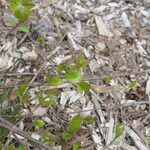
Viburnum prunifolium
Blackhaw · Nannyberry · Stagbush · Sweet-haw · Smooth Blackhaw
Description
Source: leafsnapViburnum prunifolium, commonly known as blackhaw or southern blackhaw, is a deciduous shrub or small tree native to the eastern United States. It typically reaches heights of 10-20 feet and boasts an upright, rounded form with spreading branches. The oval-shaped leaves are glossy green, transitioning to shades of red and purple in the fall. In the spring, small white flowers bloom in clusters along the branches, followed by blue-black berries that attract birds. Blackhaw is popular in landscaping for its attractive foliage and showy flowers. Additionally, it has medicinal properties; its bark has been traditionally used by Native Americans to treat a variety of ailments, including cramps and fever. While blackhaw thrives in moist soils, it can tolerate drought conditions once established. It prefers full sun to partial shade but can also grow well in shaded areas. Overall, Viburnum prunifolium is a versatile plant, offering both aesthetic appeal for landscaping and medicinal benefits for traditional practices.
🌳 Aside from its ornamental appeal, the berries of black haw provide an important winter food source for various bird species, including robins and cedar waxwings. Because its fruits persist throughout the winter, the plant becomes crucial for wildlife when other food sources are scarce. The role of these berries in maintaining ecosystem balance during the winter months is a significant ecological function that is often overlooked.
🎭 Naivety, spotlessness, serenity
Care Guide
💧 Water Every 7 days
Black haw thrives in moderate moisture and benefits from being watered every 1-2 weeks. It prefers consistent soil moisture, which reflects its woodland origins, though it can tolerate short dry spells. Providing adequate hydration during the growing season is crucial for healthy leaf development and overall plant health.
What is the best way to water Black haw plants?
Using soaker hoses can be the most effective way to provide moisture to the leaves and flowers. This method is particularly helpful if you want to deliver water directly to the base of the plant without wetting the entire foliage. Simply position the hose around the plant, turn it on for approximately 30 to 45 minutes, and wait for the soil to become moist but not overly saturated. Connect your regular hose to the soaker hose and cover it with mulch. Alternatively, some people prefer to use drip feeders to maintain moisture throughout the day. When watering Black haw plants in pots, a watering can should be used. Wait until you notice the water dripping out of the bottom of the pots, indicating that the soil is sufficiently saturated. Using a portable watering can allows you to easily reach the soil and ensure the water penetrates the roots deeply for optimal growth.
What should I do if I give Black haw too much or too little water?
If you find that you have overwatered your Black haw plant, there are a few steps you can take to prevent further damage. Black haw is a hardy plant, so it has a good chance of surviving this situation. First, allow the plant to dry out by stopping all watering. It's important to note that Black haws don't tolerate having their roots sitting in water for extended periods, so you can aerate the soil to help with this issue. Some signs of overwatering include yellow leaves falling off prematurely, fewer flowers, and misshapen buds. In more severe cases, you may notice wilted and brown leaves, which can be a result of root rot from long-term overwatering. On the other hand, signs of underwatering can be similar, such as wilting. To check if your Black haw is underwatered, feel the soil by sticking your finger into it. If it feels dry, this is a sign of dehydration and insufficient watering. In this case, you may want to add some water in the evening. Remember to always check the dryness of the soil and stick to a regular watering schedule in the mornings.
How frequently should I water Black haw?
To properly water the Black haw plant, it's recommended to water it deeply two to three times a week, with more frequent watering in hotter climates. The plant has average water needs and requires moist but well-drained soil. A helpful tip is to check the soil by feeling it - if it's dry about 2-4 inches down, then it's likely time to water. If the plant is planted outdoors, watering it 1-2 times a week should suffice, as it will receive additional moisture from rainwater.
How much water does my Black haw plant need?
The amount of water needed can vary depending on various factors such as weather, shade, and plant species. If you have recently planted a Black haw, it will require more water compared to established ones. During the growing season or when grown in pots, providing a can of water each week should be sufficient. When the Black haw plants are outdoors, you can use moisture meters to measure the amount of rain they are receiving. If the soil is dry, it is important to water them thoroughly with a sprinkler. To ensure proper hydration, it is recommended to water the Black haw plants less frequently but more thoroughly.
Why do I need to water my Black haw plant?
No matter what type of plant you are growing, it is crucial to understand its watering requirements in order for it to thrive. Black haw, for example, requires a significant amount of water to prevent wilting. While it prefers moist soil, it is important to ensure proper drainage to avoid root rot. Overwatering can result in slow flower production and stunted growth, while underwatering can also cause similar issues.
☀️ Light Partial sun
Black haw does best in places that receive a moderate amount of sunlight each day, though it can tolerate both shady locations and very sunny conditions. From seedling through maturity, a mixture of sun and shade promotes the most favorable growth. Insufficient or excessive light, however, can slow its growth rate and impair its overall health.
What are the sunlight requirements for Black Haw (Viburnum prunifolium)?
Black Haw (Viburnum prunifolium) thrives in environments with moderate sunlight, typically around 3-6 hours of sunlight daily, and can tolerate both partial sun and full sun conditions. However, it is crucial to observe your garden's sunlight patterns to identify spots that offer a balance of light and shade, ensuring the plant's optimal growth and health. Excessive or insufficient sunlight can negatively affect Black Haw's growth rate and overall well-being. It's worth noting that while Black Haw can adapt to various lighting conditions, it will show certain symptoms if the light conditions are not ideal.
How does artificial lighting affect indoor Black Haw plants?
Indoor Black Haw plants require adequate lighting to grow optimally. When natural sunlight is insufficient, especially during winter or in less sunny spaces, artificial lighting becomes essential. LED lights are a popular choice for indoor plants because they can be customized to provide specific wavelengths of light needed by the plants. Full sun plants need about 30-50W/sq ft, partial sun plants require 20-30W/sq ft, and full shade plants need 10-20W/sq ft of artificial light. The light source should be placed 12-36 inches above the plant, mimicking natural sunlight, and most plants need 8-12 hours of light per day.
What are the symptoms of insufficient light in Black Haw plants?
When Black Haw plants receive insufficient light, they may exhibit several symptoms, including small new leaves, leggy or sparse growth, faster leaf drop, slower or halted new growth, and lighter-colored new leaves. Insufficient light can lead to chlorosis, where leaves lose their green color, and sunscald from overexposure to intense light. Leaf curling, wilting, and leaf scorching are additional symptoms that can indicate the plant is struggling with the current light conditions. These symptoms help identify when adjustments are needed to improve the plant's light environment.
How can you alleviate light-related issues in Black Haw plants?
To address light-related issues in Black Haw plants, consider gradually acclimatizing them to desired light levels by moving them to sunnier spots each week. For indoor plants that are large or difficult to move, providing additional artificial light, such as keeping a desk or ceiling lamp on for at least 8 hours a day or investing in professional plant grow lights, can offer a solution. Outdoors, gradually moving plants to optimal sunlight conditions and minimizing sudden light intensity changes helps prevent sunburn. Additionally, identifying and reducing obstructions to sunlight, such as pruning trees, or transplanting smaller plants during their dormant period to locations with ample sunlight and good drainage, can significantly improve light access and plant health.
🌡️ Temperature 0–35°C
The black haw is a temperate woody species that does well in temperatures from 32 to 95 °F (0 to 35 °C). It comes from areas with cool to warm climates and tolerates seasonal temperature shifts. In winter, it should be protected from extreme cold.
What are the essential care tips for Black haw?
Black haw, known botanically as Viburnum prunifolium, thrives in temperate climates with temperatures ranging from 32 to 95°F (0 to 35°C). It is well-adapted to environments that experience cool to warm climate conditions and can adjust to seasonal temperature changes without much difficulty. Despite its strong cold resistance, it is beneficial to protect it from severe cold temperatures during winter. If temperatures are expected to drop severely, wrapping the trunk and branches with non-woven fabric or cloth can provide necessary cold protection. Additionally, watering the plant abundantly before the first freeze in autumn helps keep the soil moist and prevents drought and water scarcity during winter and early spring.
How does low temperature affect Black haw and what are the solutions?
Black haw is cold-tolerant and performs best when temperatures are above its minimum suitable growing threshold. Keeping it above the minimum tolerable growing temperature during winter is crucial. If temperatures fall below a certain limit (not specified), there may not be noticeable changes during winter, but come spring, the branches might become brittle, dry, and fail to produce new shoots. The solution to this issue involves pruning away any dead branches that have not produced new leaves in the spring.
What should be done if Black haw is exposed to high temperatures?
During the summer, it is important for the Black haw to be kept below its maximum suitable growing temperature. Exceeding the maximum tolerable growing temperature can result in the leaves becoming lighter in color, tips drying and withering, and increased susceptibility to sunburn. To mitigate these effects, sunburned and dried parts of the plant should be trimmed away. The plant should be moved to a shaded location or covered with a shade cloth to protect it from midday and afternoon sun. Additionally, watering the plant in the morning and evening will help keep the soil moist and reduce stress on the plant.
💨 Humidity
🪴 Soil 6-7
🌱 Fertilizer
Fertilize your Black haw in early spring to encourage healthy growth. Regular feeding improves overall health, producing vigorous growth, greater tolerance of harsh conditions, and better resistance to pests and disease. Follow a consistent fertilization schedule for your Black haw to keep the foliage vibrant, deeply colored, and lush.
Why should I put fertilizer on my Black haw plant?
No matter the type of Black haw you have, fertilizing regularly will promote its overall health. Supplying the right nutrients will encourage strong growth, making it more resilient to harsh conditions and better equipped to fend off diseases and pests. The foliage of the Black haw is a key feature, so it is important to maintain it by following a dedicated fertilization schedule. This will result in vibrant and lush leaves with deep colors.
When should I fertilize my Black haw plant?
To help your Black haw thrive, it's best to fertilize it for the first time in late winter or early spring. This will give it the necessary nutrients to grow healthily once the weather warms up. If you live in a warm climate region, it's also a good idea to give your Black haw an additional fertilizer feeding in early fall. This not only provides extra nutrients for the upcoming growing season but also helps protect the plant from winter cold and potential foliage damage. Fertilizing earlier in the year ensures that the new branches have enough time to grow and withstand the colder months.
When is it best to not fertilize my Black haw plant?
There are specific times of the year when you should avoid fertilizing your Black haw. Firstly, during the early and mid-winter months when the plant is dormant and doesn't require any feeding. Also, it is not recommended to fertilize it in late spring and all through the summer because the weather is usually hotter and drier, which can negatively affect the plant's response to fertilization. To prevent any problems, it is best to follow a fertilization schedule that focuses on feeding only in early spring and early fall.
What kind of fertilizer should I use for my Black haw plant?
Black haw relies heavily on nitrogen as its primary nutrient, but this doesn't mean that phosphorus and potassium are not important. In fact, a balanced fertilizer with all three main nutrients, like a 10-10-10 ratio, can be beneficial for your Black haw. However, using a fertilizer with a slightly higher nitrogen content, such as a 10-6-4 ratio, often leads to optimal growth. When it comes to fertilizing, you have the option of using granular or liquid-based fertilizers.
How can I give my Black haw plant nutrient?
To fertilize your Black haw, you have two options: granular fertilizer or liquid fertilizer. If you choose the granular fertilizer, simply sprinkle it onto the soil at the right time. This type of fertilizer releases nutrients slowly over time. It's a good idea to lightly water your Black haw before applying the granular fertilizer. Alternatively, you can use liquid fertilizer, although it's not as common. To do this, mix the fertilizer with water and pour it around the base of your Black haw. Sometimes, it's helpful to perform a soil test before fertilizing to check if you need to adjust the pH.
🪴 Pot & Repot 2-3 years
When repotting Black haw, select a pot 1-2 inches (2.5–5.1 cm) larger that offers good drainage. Use a well-draining potting mix. Repot in spring or fall, making sure the root ball sits slightly below the rim of the flower pot. Water thoroughly after repotting and place it in a warm spot with indirect sunlight.
✂️ Pruning
Black haw exhibits dense, multi-stemmed growth and produces creamy white flowers. Prune it in late spring after it has finished flowering to remove any dead wood and promote healthy growth, blooming, and shape maintenance. Make sure to sterilize your tools to prevent the spread of disease, and time your pruning to align with its growth cycle for optimal regrowth.
🌿 Propagating
🐛 Diseases & pets
☠️ Toxicity
Characteristics
- Plant Type
- Shrub, Tree
- Life Cycle
- Perennial
- Genus
- Viburnum
- Family
- Viburnaceae
- Hardiness Zone
- 3-9
- Mature Height
- 3.66 m to 6.1 m
- Mature Spread
- 1.83 m to 4.57 m
- Leaf Color
- Green, Yellow, Gold
- Leaf Type
- Deciduous
- Flower Color
- White
- Flower Size
- 2.54 cm
- Bloom Time
- Mid spring, Late spring
- Planting Time
- Spring, Autumn
- Harvest Time
- Mid summer
- Native Area
- Mexico