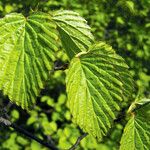
Viburnum recognitum
Northern Arrow-wood · Southern Arrowwood · Northern arrowwood
Description
Source: leafsnapViburnum recognitum, variously called the northern arrowwood, southern arrowwood, and smooth arrow-wood, is a species of flowering plant in the family Viburnaceae. It is native to eastern Canada, and the central and eastern United States. A shrub or small shrubby tree, they are typically found in wetter habitats such as stream banks, bottomlands, swamps, and mesic woodlands. It is closely related to, and may be a subtaxon of, Viburnum dentatum, the southern arrowwood or roughish arrowwood.
Care Guide
💧 Water Every 7 days
Southern arrowwood is native to moist woodlands and prefers damp soil and partial shade. While it can tolerate some drought, it thrives best with consistent moisture. Water the plant every 1-2 weeks, allowing the soil to dry out slightly between waterings. Providing adequate hydration during the spring and summer months helps support healthy foliage and berry production.
Should I change how often I water my Southern arrowwood based on the different seasons or the weather?
When watering during the summer, consider the environment. These plants like the morning sun but not too much midday glare, as they can dry out quickly. It's best to plant them in spring or autumn. Water them generously, especially if the soil is dry in the summer. Avoid watering them in winter when they are dormant. Fill the pot to the rim, let the water soak, and drain out of the hole. Water the soil when it feels dry, especially in windy and hot weather. These plants have big blooms that require plenty of water to thrive.
How should I water the Southern arrowwood plant?
Soaker hoses are a great way to keep leaves and flowers moist without wetting the entire plant. To use a soaker hose, lay it around the plant and leave it on for 30 to 45 minutes. Make sure the soil is moist but not overly wet. Another option is using drip feeders to keep the plant consistently moist throughout the day. If you have the Southern arrowwood planted in pots, it's best to water it with a watering can. Wait until you see water dripping out of the bottom of the pots, indicating that the water has reached the roots. Using a portable watering can will allow you to reach the soil and ensure the roots receive enough water for optimal growth.
What should I do if I give Southern arrowwood plants too much or too little water?
If your Southern arrowwood plant has been overwatered, there are a few steps you can take to prevent further damage. Southern arrowwood plants are resilient and have a good chance of surviving. First, allow the plant to dry out by stopping any further watering. These plants cannot tolerate having their roots sitting in water for too long, so it may help to aerate the soil. Look for some common symptoms of overwatering, such as yellow leaves falling prematurely, fewer flowers, and misshapen buds. In severe cases, the leaves may become wilted and brown. If overwatering continues over a long period of time, it can lead to root rot. The symptoms of underwatering can be similar, so if your Southern arrowwood is wilting, it may be a sign that it needs more water. Check the soil by sticking your finger into it - if it feels too dry, the plant is dehydrated and needs watering. It's also possible that you have been watering too little, so consider adding more water in the evening. Always check the soil for dryness and stick to a regular watering schedule, preferably in the morning.
How frequently do I need to water Southern arrowwood?
To ensure the Southern arrowwood thrives, it is recommended to water it deeply two to three times per week. If you reside in a hot climate, it may need more frequent watering. The plant has average water needs and prefers moist but well-drained soil. You can assess the soil's moisture level by checking if it feels dry about 2-4 inches below the surface. If you have planted the arrowwood outdoors, watering it 1-2 times per week is adequate, especially considering it receives additional moisture from rainwater.
How much water does my Southern arrowwood plant need?
The amount of water required varies depending on several factors. These factors include the weather, amount of shade, and plant species. In particular, Southern arrowwood that has been recently planted will need more water compared to well-established ones. A weekly watering of one can of water should be sufficient for Southern arrowwood, especially during the growing season and when they are grown in pots. When the plants are outdoors, it is important to monitor the amount of rain they receive using moisture meters. If the soil appears dry, it is necessary to water the plants with a sprinkler until thoroughly soaked. It is recommended to water Southern arrowwood less frequently but more thoroughly to ensure they receive the adequate moisture they need.
☀️ Light Full sun
The southern arrowwood does best in full sunlight but is robust enough to grow in locations with slightly less exposure. It originates from habitats typically lacking an unbroken canopy, which underlies its sun tolerance. Insufficient preferred sunlight can restrict its growth, and excessive shading can endanger its health.
What are the sunlight requirements for Southern Arrowwood?
Southern Arrowwood requires full sunlight to thrive optimally, necessitating more than 6 hours of direct sunlight daily. However, it can also flourish in partially sunny locations that receive about 3-6 hours of sunlight. When planning where to place your Southern Arrowwood, it's essential to observe how sunlight moves through your garden to find spots that provide a suitable balance of light and shade, ensuring the plant's well-being.
How does the Southern Arrowwood respond to different light conditions?
The Southern Arrowwood is highly adaptable and performs best when exposed to the full spectrum of sunlight, though it can also manage in slightly less sunny spots. Originating from habitats with sparse canopy coverage, this plant has developed a strong tolerance for sunlight. Inadequate exposure can stunt its growth, while too much overshadowing can be detrimental to its health. For plants kept indoors or in low light, artificial lighting can be critical for simulating optimal growth conditions, especially during winter or in naturally darker areas.
What are the recommended strategies for artificial lighting on plants?
When natural light is insufficient for indoor Southern Arrowwood plants, employing artificial lighting can ensure their vigorous growth. Opting for LED lights is advantageous as they provide customizable wavelengths needed by plants. The intensity of artificial light should be adjusted based on the plant's natural sunlight needs: full sun plants require 30-50W per square foot, partial sun plants 20-30W per square foot, and shade plants need 10-20W per square foot. The artificial light should be positioned 12-36 inches above the plant to mimic natural sunlight exposure and left on for 8-12 hours daily to simulate the natural day length.
What symptoms indicate insufficient sunlight for Southern Arrowwood?
Southern Arrowwood may exhibit several symptoms when light conditions are less than ideal, including smaller new leaves, leggy or sparse growth, premature leaf drop, halted growth, and leaves turning pale or yellow. These signs suggest the plant is struggling with light deficiency, leading to reduced energy for growth and maintenance. Conditions like chlorosis, sunscald, leaf curling, wilting, and leaf scorching also indicate that the plant might be receiving either too much or too little light, affecting its ability to perform photosynthesis efficiently.
How can I address light-related issues for my Southern Arrowwood?
To combat light-related issues in Southern Arrowwood, gradually acclimate the plant by moving it to sunnier spots each week until it receives at least 6 hours of sunlight daily. For indoor settings, ensure it's placed by a south-facing window or supplement with artificial lighting for at least 8 hours a day. Outdoors, gradually adjust the plant to prevent sunburn. If necessary, prune nearby trees to enhance sunlight access. For obstructed grounds, consider transplanting to brighter locations during the plant's dormant season, ensuring ample sunlight and good drainage.
🌡️ Temperature 5–32.2°C
Southern arrowwood prospers in climatic conditions typical of its native temperate range, preferring temperatures from 41 to 89.6 °F (5 to 32 ℃). In colder or warmer regions, seasonal adjustments to recreate these conditions may be necessary.
What are the optimal climate conditions for Southern Arrowwood?
Southern Arrowwood, scientifically known as Viburnum recognitum, thrives in climate conditions typical to its native temperate environment. The optimal temperature for its growth is between 41 to 89.6 °F (5 to 32 °C). To ensure the plant's health, seasonal adjustments may be necessary in regions experiencing colder or warmer climates. Notably, Southern Arrowwood is highly cold-tolerant and does not require additional frost protection measures during winter. However, before the first freeze in autumn, it's recommended to water the plant generously to ensure the soil is moist as it enters a frozen state, which helps in preventing drought and water scarcity for the plant during winter and early spring.
How does Southern Arrowwood react to low temperatures?
Southern Arrowwood is extremely cold-tolerant, capable of withstanding winter temperatures down to -30°C (-22°F). Although it may not show noticeable changes during the winter, if temperatures drop below this threshold, branches may become brittle and dry by spring, with no new shoots emerging. To mitigate this, it’s advised to prune away any dead branches in spring that have failed to produce new leaves, ensuring the vitality and ongoing growth of the plant.
How should you care for Southern Arrowwood in high temperatures?
Southern Arrowwood shows a lower tolerance to high temperatures, preferring conditions that do not exceed 32°C (89.6°F). In the event that temperatures surpass this limit, the plant may experience significant leaf drop, and in severe cases, it could wither and die. To care for Southern Arrowwood under such conditions, it's crucial to trim away any sunburned and dried-up parts of the plant. Additionally, relocating the plant to an area with adequate shade from the midday and afternoon sun, or utilizing a shade cloth, can offer necessary protection. Ensuring the soil remains moist by watering the plant in the morning and evening is also vital for its survival and health in higher temperatures.
💨 Humidity
🪴 Soil 6-7
🌱 Fertilizer
The timing of fertilization is important for Southern arrowwood. Apply fertilizer beginning in early spring and repeat monthly through early summer. Fertilizer encourages attractive blooms and supplies energy both during dormancy and in periods of active growth.
🪴 Pot & Repot
✂️ Pruning
Southern arrowwood is a deciduous shrub prized for its attractive foliage and clusters of white flowers. To maintain its health and appearance, prune in early spring. Start by removing any dead branches, then thin out some of the older stems. For rejuvenation, cut back about one-third of the oldest stems. Always use sterilized tools to promote plant health and encourage better blooming.
🌿 Propagating
🐛 Diseases & pets
☠️ Toxicity
Characteristics
- Plant Type
- Tree, Shrub
- Life Cycle
- Perennial
- Genus
- Viburnum
- Family
- Viburnaceae
- Hardiness Zone
- 4-7
- Mature Height
- 3.05 m
- Mature Spread
- 3.05 m
- Leaf Color
- Green, Yellow, Red
- Leaf Type
- Deciduous
- Flower Color
- White
- Flower Size
- 0.76 cm
- Bloom Time
- Mid spring, Late spring
- Planting Time
- Spring, Summer, Autumn
- Harvest Time
- Late summer, Early fall, Mid fall