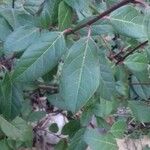
Viburnum tinus
Laurestine · Viburnum · Sweet viburnum · Laurustinus · Durillo
Description
Source: leafsnapViburnum tinus is an evergreen shrub that belongs to the Adoxaceae family. Native to the Mediterranean region, this plant can grow up to 3 meters tall. It features dark green, glossy leaves that are oval-shaped and have a leathery texture. The small flowers, which are white or pinkish, bloom from late winter through early spring. Viburnum tinus is popular as an ornamental plant due to its appealing foliage and flowers. It can be grown as a hedge or as a standalone specimen in gardens or parks. The plant thrives in well-drained soil with moderate moisture levels but can tolerate drought conditions once established. Beyond its ornamental value, Viburnum tinus has been used medicinally for centuries because of its antibacterial properties. Its leaves have served as a natural remedy for coughs, colds, and other respiratory ailments. Overall, Viburnum tinus is an attractive evergreen shrub that offers both ornamental beauty and medicinal benefits, making it a favorite among gardeners worldwide.
🌳 Laurustinus is commonly valued for its ornamental flowers and berries, but beyond its appearance it can act as an environmental bioindicator. The plant's uptake processes point to a possible role in indicating soil quality, including the presence of certain heavy metals. Both gardeners and ecologists are beginning to recognize laurustinus in this new capacity.
🎭 Happiness, elegance, youth
Care Guide
💧 Water Every 7 days
Laurustinus flourishes in Mediterranean climates, where it prefers moderate moisture levels and needs watering every one to two weeks. Being an evergreen plant, it requires careful management of soil moisture to prevent root rot and maintain its vibrant appearance year-round.
When Should I Water My Laurustinus?
The ideal time to water Laurustinus is when the soil dryness indicates the need for hydration. Check if the top 1 to 2 inches of soil are dry; this suggests the plant requires watering. Observing the laurustinus's leaves can also guide you: wilted, lackluster leaves or a loss of vibrant color suggest under-watering. During the pre-flowering stage, consistent watering is crucial to prevent bud drop and ensure robust flowering. High temperatures and direct sunlight increase the plant's water needs, so adjust your watering schedule accordingly. Avoid over-watering, as it risks root rot, and ensure not to delay watering to the point of plant stress or death.
How Should I Water My Laurustinus?
Water your Laurustinus by aiming at the base of the plant with a watering can that has a long spout, avoiding splashing the leaves to reduce the risk of leaf spot diseases. Utilizing a moisture meter can help in preventing both overwatering and underwatering by checking the soil's moisture level; water when the top 1-2 inches of soil feel dry. Focus on watering the soil around the base rather than soaking the foliage, as wet leaves can lead to fungal diseases. Watering in the early morning or late evening is recommended to minimize evaporation and ensure that the water reaches the roots effectively. For potted plants, ensure good drainage by checking for holes at the bottom of the pot.
How Much Water Does Laurustinus Really Need?
The amount of water Laurustinus requires varies with its environment. Mature plants in the ground typically need watering only during dry periods, while those in pots demand more frequent attention. An average-sized pot might require 1-2 liters of water once the top layer of soil dries out. Observe your plant for signs of under or over-watering, such as wilting or yellowing leaves, and adjust your watering accordingly to maintain evenly moist soil. Avoid over-watering to prevent root rot and under-watering to ensure the plant does not wither. Especially in hot and dry conditions, monitor the plant's hydration needs closely and soak the soil thoroughly at each watering to promote deep root growth and overall health.
What Kind of Water is Best for Laurustinus?
Laurustinus flourishes best when watered with rainwater or distilled water, as these do not contain the contaminants present in tap water. However, if tap water is your only option, let it sit out for 24 hours to allow any chlorine to evaporate before use. Laurustinus is sensitive to chlorine and high levels of minerals, so filtering water can be beneficial. Watering with room temperature water is advisable to avoid shocking the plant's system. Tailoring the water to these preferences helps in maintaining a healthy Laurustinus.
How Do Laurustinus's Watering Needs Change with the Seasons?
Laurustinus's watering needs vary throughout the year. In spring, more watering is necessary to support new growth as temperatures rise. During the summer, the combination of active growth and high evaporation rates means keeping the soil consistently moist is crucial. In autumn, as growth slows, reduce watering frequency, allowing the top few inches of soil to dry out before watering again. Winter demands the least amount of water, focusing on preventing waterlogging and root diseases by allowing the soil's top layer to dry between waterings. Adjusting watering practices seasonally ensures the health and vitality of Laurustinus.
☀️ Light Partial sun
Laurustinus does best in parts of the garden that receive a mix of sun and shade. It can adapt to places with strong sunlight or to sites that are mostly shaded. However, extreme conditions—either too much sun or too little—can cause reduced growth or poor flowering.
What are the sunlight requirements for Laurustinus?
Laurustinus requires a balanced exposure to sunlight for optimal growth. It thrives in conditions ranging from partial sun, which is about 3-6 hours of sunlight a day, to full sun or full shade, which implies more than 6 hours of sunlight daily. It's essential to observe the movement of sunlight through your garden to find spots that offer a perfect balance of light and shade, ensuring the plant's well-being. Extreme conditions, either too much or too little sun, can adversely affect the plant's growth and flowering.
How does artificial lighting affect indoor Laurustinus plants?
For indoor Laurustinus plants, adequate lighting is crucial, especially in conditions where natural sunlight is insufficient. Artificial lights, such as LED lights, can be tailored to provide specific wavelengths needed for the plant's growth, acting as an excellent substitute for natural sunlight. It's advisable to use 30-50W/sq ft of artificial light for full sun plants, 20-30W/sq ft for partial sun plants, and 10-20W/sq ft for full shade plants. The correct positioning—12-36 inches above the plant—and duration, mimicking natural daylight hours, are key factors. Most plants will need 8-12 hours of light per day to thrive.
What symptoms indicate Laurustinus is getting insufficient light?
Laurustinus showcasing symptoms such as smaller new leaves, leggy or sparse growth, faster leaf drop, halted growth, pale new leaves, and conditions like chlorosis, sunscald, leaf curling, wilting, or leaf scorching, is a strong indication of insufficient light. These symptoms reveal the plant's struggle with adapting to its light conditions, whether it's due to excessive sunlight or a severe lack of it. Proper adjustments in the plant's positioning to regulate exposure can mitigate these issues.
What solutions are recommended for Laurustinus struggling with light conditions?
For Laurustinus plants struggling with light conditions, the solutions vary based on the setting. Indoors, it's recommended to gradually expose the plant to more sunlight, or use artificial lighting if the plant is large or immobile. Outdoors, plants should be moved progressively to sunnier locations to prevent sunburn. Ground-planted Laurustinus could benefit from reducing obstructions like overhanging branches or by transplanting the plant to a sunnier spot during its dormant period. It's crucial to allow for gradual adaptation to new light intensities to encourage healthy growth.
🌡️ Temperature 15–35°C
Laurustinus prefers temperatures ranging from 59 to 95 ℉ (15 to 35 ℃). It can tolerate winter lows down to 14 ℉ (-10 ℃). In warmer regions, it may require some shade during the hottest part of the day.
What is the preferred temperature range for laurustinus?
The preferred temperature range for laurustinus (Viburnum tinus) is between 59 to 95°F (15 to 35°C). This plant has some cold tolerance, allowing it to withstand winter temperatures as low as 14°F (-10°C). In warmer climates, it may require some shade during the peak temperatures of the day to protect it. When temperatures drop below the tolerable growing minimum, temporary cold protection measures should be taken, such as wrapping the plant with plastic film, fabric, or other suitable materials, which should be removed as the temperature increases again.
How does laurustinus respond to low temperatures?
Laurustinus demonstrates a moderate tolerance to low temperatures and thrives best when kept above a certain minimal suitable growth temperature. During winter, it is crucial to ensure that the temperature remains above the plant's tolerable growing minimum to prevent damage. If the temperature falls below the laurustinus' growth limit, the leaves may begin to droop, which can lead to recovery in mild cases or wilting and eventual leaf drop in severe instances. To protect the plant from low temperatures, it is advised to trim off frost-damaged parts and wrap the plant with non-woven fabric or cloth, as well as setting up a wind barrier to shield it from cold winds.
What should you do if your laurustinus is affected by high temperatures?
During the summer, it is important to keep laurustinus below its maximum suitable growth temperature. Exceeding this temperature can make the leaves lighter in color, dry and withered at the tips, and more prone to curling and sunburn. To mitigate damage, trim away any sunburned or dried-up parts and relocate the plant to a shadier spot, especially away from the midday and afternoon sun, or set up a shade cloth as necessary. Additionally, watering the plant in the morning and evening will help keep the soil moist and further protect the plant from heat stress.
💨 Humidity normal (40-60%)
This plant will thrive in moderate humidity, which is probably the level in your home. However, misting it a few times a week can be very beneficial. Make sure the room has good ventilation.
🪴 Soil 5-7
🌱 Fertilizer
The timing of fertilizing Laurustinus is important. Apply fertilizer starting in early spring and then once a month until early summer. Fertilizer promotes lovely blooms and supplies energy both during dormant periods and active growth.
When is it best to not add fertilizer to my Laurustinus plant?
To help Laurustinus plants thrive, it is important to choose a fertilizer with lower nitrogen levels compared to other nutrients. This will encourage more blooming rather than excessive leaf growth. It is also crucial to avoid fertilizing after early autumn, as this can cause too much growth before winter sets in. Additionally, refrain from fertilizing during hot and dry periods, as the dry soil doesn't effectively deliver the nutrients and the growth stimulation requires more water, which may not be available. The best time to fertilize is earlier in the season when temperatures are cooler. Lastly, be cautious about unintentionally giving Laurustinus a double dose of fertilizer, as it can absorb nutrients from nearby plants or lawns.
How should I fertilize my Laurustinus plant?
When using fertilizer for your Laurustinus, it's important to follow the directions for the specific type of fertilizer and do some research. Over-fertilizing can be harmful, so you need to determine the correct amount to use. Typically, you can use the age of the tree or the diameter of the trunk as a guide. Use about one-tenth of a pound of fertilizer per year or per inch of trunk, with a maximum of one pound. To apply granular or organic fertilizers like blood meal, sprinkle them around the base of the tree up to the drip line, but make sure the fertilizer doesn't touch the trunk. Over time, the granules will break down and be absorbed by the roots. After fertilizing, add a one-inch layer of compost around the base and water thoroughly.
Why do I have to put fertilizer on my Laurustinus plant?
Fertilizing your Laurustinus is important for several reasons. Firstly, it will help your plant produce beautiful blooms. To make sure your Laurustinus has excellent flowers in spring, fertilize it early. Secondly, fertilizer provides your Laurustinus with energy that it can store in the ground during its dormant phases. By giving your plant extra nutrients in fall or late spring, you can help it store more energy to use when it starts growing again.
When should I fertilize my Laurustinus?
To ensure effective fertilization of Laurustinus, it is important to consider timing. Applying fertilizer too early, while the plant is still dormant, will render it ineffective and prone to being washed away by rainwater, resulting in waste and pollution. To achieve optimal results, the initial application of fertilizer should be done in early spring, followed by subsequent monthly applications until early summer.
What kind of fertilizer should I use for my Laurustinus plant?
To cultivate a healthy Laurustinus plant, it is recommended to use a fertilizer that contains a balanced mix of the main plant nutrients, with slightly higher levels of phosphorus. Another option is to enrich the soil by incorporating organic materials like compost, worm castings, and manure. For more experienced gardeners, it can be beneficial to supplement the plant with water-soluble fertilizers containing phosphorus when the flower buds begin to appear. This will promote the growth of larger, longer-lasting flowers. There are various types of fertilizers available, but liquid or powdered forms tend to be the most effective for Laurustinus. Regardless of the type chosen, it is important to dilute the fertilizer and apply it while watering the plant.
🪴 Pot & Repot 2-3 years
When repotting Laurustinus, select a pot 1-2 inches (2.5–5.1 cm) larger that has good drainage. Use a well-draining potting mix. Repot in spring or fall, making sure the root ball is slightly lower than the rim of the flower pot. Water thoroughly after repotting and place it in a warm spot with indirect sunlight.
✂️ Pruning
Laurustinus can be lightly pruned throughout the year to remove any dead branches. For shaping the plant, it's best to prune in late winter or early spring, making sure to limit cuts to one-third of the plant when maintaining borders. After the plant has finished flowering, initiate pruning, but avoid doing so during periods of frost or extreme cold to prevent damage.
🌿 Propagating
🐛 Diseases & pets
☠️ Toxicity
Characteristics
- Plant Type
- Shrub
- Life Cycle
- Perennial
- Genus
- Viburnum
- Family
- Viburnaceae
- Hardiness Zone
- 8-10
- Mature Height
- 2.13 m to 7.01 m
- Mature Spread
- 2.44 m to 3.05 m
- Leaf Color
- Green
- Leaf Type
- Evergreen
- Flower Color
- White
- Flower Size
- 5.08 cm to 10.16 cm
- Bloom Time
- Spring, Early summer, Winter
- Planting Time
- Spring, Autumn
- Harvest Time
- Mid summer, Late summer, Fall
- Native Area
- Libya, Tunisia, Turkey, Montenegro, Greece, Croatia, Slovenia, Morocco, Serbia, Lebanon, Portugal, Italy, Spain, Albania, Algeria, France