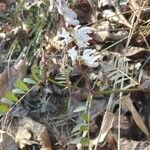
Vicia caroliniana
Carolina vetch · Wood vetch · Pale vetch · Carolina wood vetch
Description
Source: leafsnapVicia caroliniana (common name Carolina vetch, or Carolina wood vetch), is a plant found in North America.
Care Guide
💧 Water
Carolina vetch thrives in moderately humid environments and requires consistent moisture. For optimal growth, it benefits from weekly watering and prefers well-draining soil, which mimics the regular rainfall conditions of its natural habitat.
How should I water my Carolina vetch?
To ensure the health of your Carolina vetch, follow these watering guidelines: - Use filtered water at room temperature or slightly warmer, as tap water may contain harmful particles. - The plant is accustomed to warm environments, so cold water could shock its system. - Avoid overhead watering to prevent foliage issues. - Instead, soak the soil with filtered room temperature water until it is completely saturated. This method helps the roots spread and collect necessary nutrients.
What should I do if I give too much or too little water to my Carolina vetch plant?
Overwatering is a common issue for Carolina vetch plants and can lead to wilting, yellowing leaves, and diseases like root rot. Underwatering is less common but can cause brittle, brown leaves. It's important to recognize signs of overwatering early on, as some diseases may not be reversible if not addressed promptly. Reduce watering if you notice these signs and consider replacing poorly draining soil. If underwatering is the issue, simply increase watering until the plant recovers.
How frequently should I water the Carolina vetch?
If your Carolina vetch plant is in a pot, the most precise way to determine if it needs water is to check the soil. Insert your finger into the soil and if the top two to three inches are dry, it's time to water it. If your Carolina vetch is planted in the ground outdoors, you can use a similar method to test the soil. When you find that the top few inches of soil have dried out, it's time to give it water. Typically, you'll need to water this plant about once a week in the spring and early fall. However, during extremely hot weather, you may need to water it two or more times a week. It's worth noting that mature and well-established Carolina vetch plants have a great ability to tolerate drought.
How much water does my Carolina vetch plant need?
To properly water your Carolina vetch, don't hold back on the amount of water you provide. Wait until the top few inches of soil are dry, and then give the plant a deep watering. Make sure to thoroughly soak the soil, allowing the excess water to drain out through the pot's drainage holes. If you don't see water draining from the pot, it means you haven't watered enough. However, be cautious of letting water accumulate in the soil, as this can harm the plant. On the other hand, if water is not draining properly, it could mean the soil is not draining well, which is not good for the plant's health. If the plant is outdoors, it generally needs about 1 inch of rain per week.
How do I water my Carolina vetch at different growth stages?
The water needs of the Carolina vetch can vary depending on its growth stages. When the plant is in its early years or has recently been transplanted, it requires more water than usual. During these stages, the Carolina vetch focuses on developing new roots to support future growth. To promote optimal root performance, providing slightly more moisture is necessary. As the plant matures over a few seasons, it will require less water. Another growth stage that may require increased watering is during the bloom period. Flower development uses a significant amount of moisture, so giving extra water to the Carolina vetch at this time is likely beneficial.
☀️ Light Full sun
The carolina vetch flourishes with plentiful sunlight, which supports its vigor and general health. It can also tolerate moderate sun. Coming from habitats with strong solar exposure, this plant does not do well in low-light conditions. Both excessive and insufficient light can impede its growth or produce adverse effects.
What are the sunlight requirements for Carolina vetch?
Carolina vetch thrives in conditions where it can receive abundant exposure to sunlight, making full sun (above 6 hours of sunlight) ideal for its growth and overall health. However, it can also tolerate moderate sunlight conditions, known as partial sun (about 3-6 hours of sunlight). Watch the movement of sunlight through your garden and choose spots that provide a perfect balance of light and shade, ensuring the plants' happiness. Originating from environments with intense solar exposure, limited light is not optimal for Carolina vetch, as either excessive or insufficient exposure could hinder its growth or have negative effects.
How can I provide adequate lighting for Carolina vetch indoors?
Indoor Carolina vetch requires adequate lighting for optimal growth. When natural sunlight is insufficient, especially during winter or in less sunny spaces, artificial lighting offers a vital solution. Choose the right type of artificial light, such as LED lights, which can be customized to provide specific wavelengths needed by the plants. Full sun plants need 30-50W/sq ft of artificial light, partial sun plants need 20-30W/sq ft, while full shade plants require 10-20W/sq ft. Place the light source 12-36 inches above the plant to mimic natural sunlight and mimic the length of natural daylight hours, with most plants needing 8-12 hours of light per day.
What are the symptoms of inadequate lighting for Carolina vetch?
Symptoms of light deficiency in Carolina vetch may include smaller new leaves, leggy or sparse growth, faster leaf drop, slower or no new growth, lighter-colored new leaves, chlorosis (leaves turning yellow), sunscald, leaf curling, wilting, and leaf scorching. These symptoms point to either insufficient sunlight or excessive exposure, affecting the plant's chlorophyll production, photosynthesis process, and overall health.
How can I address light-related issues for Carolina vetch?
To ensure optimal growth for Carolina vetch facing light-related issues, gradually move the plants to receive at least 6 hours of direct sunlight daily. Use south-facing windows and keep curtains open for maximum sunlight exposure. For large indoor plants or those that are not easily movable, consider using artificial light for at least 8 hours daily or invest in professional plant grow lights. Outdoors, avoid sudden changes in light intensity to prevent sunburn. Reducing obstructions, such as pruning branches that block sunlight, and transplanting smaller plants to sunnier locations with good drainage can also be beneficial. Note that parts of the plant affected by insufficient sunlight may not recover, but new growth after adjusting light exposure will be healthy.
🌡️ Temperature 0–35°C
Carolina vetch is native to temperate regions. It prefers temperatures between 32 and 95 °F (0 and 35 ℃) and needs a cool to warm environment to grow best. Seasonal temperature adjustments may include frost protection during winter.
What is Carolina vetch and where is it native to?
Carolina vetch, botanically known as Vicia caroliniana, is native to temperate regions. It thrives in a cool to warm environment, preferring temperatures ranging from 32 to 95 °F (0 to 35 °C). This plant has adapted to grow best within these temperature ranges, demonstrating the versatility of its native habitat.
How does Carolina vetch handle cold temperatures?
Carolina vetch exhibits strong cold resistance and generally does not require special frost protection measures during winter. It can comfortably withstand temperatures down to -30°C, but if winter temperatures are expected to drop below -35°C, it's important to provide cold protection. This can be done by covering the plant with materials such as soil or straw. Additionally, watering the plant abundantly before the first freeze in autumn ensures that the soil remains moist and that the plant's root system is less susceptible to drought and water scarcity during the colder months.
What should be done if low temperatures affect Carolina vetch?
If Carolina vetch experiences temperatures below its cold tolerance, particularly falling below -35°C, there may not be noticeable changes during winter, but there can be a decrease in sprouting, or the plant may not sprout at all in spring. In such cases, it is advised to remove any parts of the plant that have failed to sprout as the weather becomes warmer. This helps in encouraging new growth and maintaining the health of the plant.
How does Carolina vetch react to high temperatures, and what are the remedies?
During the summer, it is crucial to ensure that Carolina vetch does not endure temperatures above 35°C. When exposed to temperatures exceeding 38°C, the plant's leaves may become lighter in color, curl, and become prone to sunburn. In severe cases, the plant can wilt and dry out. To mitigate these issues, it's recommended to trim away sunburned and dried-up parts of the plant. Moving the plant to a shaded location or using a shade cloth to protect it from the midday and afternoon sun can also be beneficial. Regularly watering the plant in the morning and evening will help keep the soil moist and prevent further stress.
💨 Humidity
🪴 Soil 6-7
🌱 Fertilizer
Usually one fertilizer application in spring is enough for Carolina vetch, though repeated feedings can maximize growth. Feed every month to every month and a half. Fertilization improves leaf appearance and function, maintaining even color and a healthy texture. It also encourages root development and nutrient uptake for long-term plant health.
🪴 Pot & Repot
✂️ Pruning
Carolina vetch is known for its delicate flowers and climbing growth habit. To encourage healthy growth, abundant blooming, and prevent diseases, it's beneficial to lightly prune the plant from early to late spring. Use clean, sharp tools to remove any dead stems and trim back overgrown vines. This helps minimize stress on the plant and reduces the risk of infection.
🌿 Propagating
🐛 Diseases & pets
☠️ Toxicity
Characteristics
- Plant Type
- Herb, Vine
- Life Cycle
- Perennial
- Genus
- Vicia
- Family
- Fabaceae
- Hardiness Zone
- 3-9
- Mature Height
- 61 cm
- Mature Spread
- 61 cm
- Leaf Color
- Green
- Leaf Type
- Semi-evergreen
- Flower Color
- White, Lavender
- Flower Size
- 0.76 cm to 1.27 cm
- Bloom Time
- Early spring, Mid spring
- Planting Time
- Summer, Autumn
- Harvest Time
- Late spring, Early summer, Mid summer