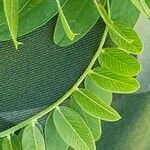
Vicia cassubica
Kashubian vetch · Danzig vetch
Description
Source: leafsnapVicia cassubica, called Kashubian vetch and Danzig vetch, is a species of flowering plant in the genus Vicia, native to most of Europe, Turkey, the Levant, the Caucasus and Iran. Found in thermophilous oak forests, it also does well in old fields that are in later stages of succession.
Care Guide
💧 Water
Kashubian vetch grows best with consistent moisture, so it should be watered weekly. Although it can handle moderate drought, it thrives in stable conditions. This plant is well-adapted to its environment, efficiently using rainfall during the growing season to optimize water uptake and retention.
☀️ Light Full sun
the kashubian vetch does best with plenty of sunlight, though it can tolerate spots with milder light. its native habitat, usually in direct sun, reflects its preferred light requirement. too much sun can cause wilting, while insufficient illumination can impede flowering.
What are the sunlight requirements for Kashubian Vetch?
Kashubian Vetch requires full sun to thrive, meaning it should receive above 6 hours of sunlight daily. However, it can also tolerate partial sun, which amounts to about 3-6 hours of sunlight. Observing your garden's sunlight patterns helps in choosing locations that provide a balance of light and shade, essential for the plant's health and happiness. The plant is naturally adapted to unobstructed sunlight, indicating its need for ample sun exposure. Overexposure can cause wilting, while insufficient sunlight may prevent it from blooming.
How can artificial lighting be used for growing Kashubian Vetch indoors?
When natural sunlight is not enough, especially during winter or in less sunny spaces, artificial lighting becomes crucial for Kashubian Vetch's growth indoors. LED lights are recommended due to their ability to provide specific light wavelengths needed by plants. For full sun plants, 30-50W/sq ft is needed; partial sun plants require 20-30W/sq ft, and full shade plants need 10-20W/sq ft of artificial light. The light source should be placed 12-36 inches above the plant, simulating natural sunlight conditions, and plants should be exposed to 8-12 hours of light daily to mirror the natural daylight duration for optimal growth.
What are the symptoms of light deficiency in Kashubian Vetch?
Symptoms of light deficiency in Kashubian Vetch include smaller new leaves compared to older ones, leggy or sparse growth indicating a stretched appearance due to longer spaces between leaves or stems, faster leaf drop to conserve resources, slower or halted growth as the plant enters survival mode due to poor light conditions, and lighter-colored new leaves or chlorosis, which shows a lack of chlorophyll. Chlorosis indicates leaves turning yellow due to chlorophyll breakdown from excessive sunlight, negatively impacting photosynthesis. Other symptoms like sunscald, leaf curling, wilting, and leaf scorching also manifest due to varying light conditions.
How can light conditions for Kashubian Vetch be optimized?
To optimize light conditions for Kashubian Vetch, gradually move the plants to sunnier spots, ensuring they receive at least 6 hours of direct sunlight daily. If indoors and not easily movable, use artificial light sources, keeping them on for at least 8 hours daily. Outdoors, adapt plants gradually to avoid sunburn. If sunlight is obstructed, try pruning to reduce shade or transplant smaller plants to sunnier locations during their dormant period for ample sunlight and good drainage. Note that parts of the plant affected by previous insufficient sunlight may not recover, but new growth will be healthy after improving light exposure.
🌡️ Temperature 5–35°C
Kashubian vetch can adjust to a wide range of temperatures, but its distribution may still be restricted by various combinations of moisture and heat. It does best in warm summer climates with sufficient rainfall or irrigation. Extended periods of cloudy, rainy weather, and prolonged high temperatures can increase the likelihood of Kashubian vetch dying. In winter, adequate protection from the cold can improve the plant’s survival rate.
What is Kashubian vetch?
Kashubian vetch, scientifically known as Vicia cassubica, is a specific type of vetch. Unfortunately, the provided information does not include details about its essentials or symptoms associated with this plant.
💨 Humidity
🪴 Soil 6-7
🌱 Fertilizer
One fertilizer application in spring is typically enough for Kashubian vetch, though repeated feedings can enhance growth. Apply fertilizer roughly every month to six weeks. Fertilization improves the leaves' appearance and function, encouraging uniform color and a healthy texture. It also promotes root development and nutrient uptake, supporting the plant's long-term health.
🪴 Pot & Repot
✂️ Pruning
Kashubian vetch benefits from pruning in early to late spring to remove dead stems and promote bushy growth and flowering. To encourage new growth, trim above the nodes. Maintaining good air circulation can help prevent fungal infections, so regular pruning is essential for the health and appearance of the plant.
🌿 Propagating
🐛 Diseases & pets
☠️ Toxicity
Characteristics
- Plant Type
- Herb
- Life Cycle
- Perennial
- Genus
- Vicia
- Family
- Fabaceae
- Hardiness Zone
- 5-9
- Mature Height
- 30 cm to 61 cm
- Mature Spread
- 20 cm to 49 cm
- Leaf Color
- Green, Dark Green
- Leaf Type
- Deciduous
- Flower Color
- Pink, Purple
- Flower Size
- 1.02 cm to 1.52 cm
- Bloom Time
- Early summer, Mid summer
- Planting Time
- Spring
- Harvest Time
- Late summer, Early fall
- Native Area
- Turkey, Sweden, Austria, Czech Republic, Slovakia, Montenegro, Bulgaria, Poland, Greece, Croatia, Slovenia, Belarus, Ukraine, Lebanon, Russia, Serbia, Lithuania, Norway, Germany, Syria, Hungary, Italy, Denmark, Estonia, Albania, Azerbaijan, Romania, Latvia, France