Victoria amazonica
Description
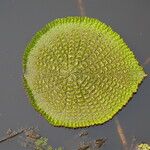
Source: leafsnapVictoria amazonica, commonly known as the giant water lily, is a species of aquatic plant native to the Amazon River basin in South America. Renowned for its enormous, circular leaves, which can grow up to 3 meters in diameter, this plant is capable of supporting the weight of a small child. The leaves feature upturned edges, forming a bowl-like structure that allows them to hold water and support their own weight. The flowers of Victoria amazonica are equally impressive, boasting large white petals that can reach up to 30 centimeters in diameter. These flowers open at night, releasing a sweet fragrance that attracts beetles for pollination. An integral component of the ecosystem, Victoria amazonica provides habitat for fish, birds, insects, and other aquatic animals. It also plays a significant role in nutrient cycling by absorbing excess nutrients from the water. Indigenous people have traditionally used the plant for medicinal purposes, such as treating headaches and infections. Today, it is widely cultivated as an ornamental plant in botanical gardens around the world due to its unique beauty. However, Victoria amazonica faces threats from habitat loss due to deforestation and pollution caused by human activities, such as mining along the rivers where it naturally grows. Conservation efforts are currently underway through protected areas to ensure that future generations can continue to appreciate this magnificent aquatic wonder.
Care Guide
💧 Water Every 7 days
The Amazon water lily is native to the tropical rainforests of South America, where it thrives in conditions of high humidity and plentiful water. To maintain its large lily pads and flowers, it needs consistent moisture, requiring watering every week. Its floating leaves are adapted to optimize water absorption and minimize evaporation, reflecting its suitability for aquatic environments.
☀️ Light Full sun
The Amazon water lily is native to habitats with plenty of sunlight, such as the shallow margins of ponds and lakes. It prefers full sun but can also tolerate partial sun.
🌡️ Temperature 20–37.8°C
The Amazon water lily comes from tropical areas, where the climate is generally warm and humid. As a result, it is well suited to high temperatures and humidity. It is sensitive to abrupt temperature changes and prefers a steady thermal environment, so indoor temperature fluctuations should be avoided. It usually cannot tolerate cold conditions and needs higher temperatures to grow; if the ambient temperature falls too low, the plant may stop growing or even die.
💨 Humidity
🪴 Soil
🌱 Fertilizer
🪴 Pot & Repot
✂️ Pruning
The Amazon water lily is known for its large floating leaves and beautiful flowers. To promote growth and improve water circulation, it's important to prune these plants between early and late spring. During pruning, remove any dead foliage. Be sure to use clean tools to avoid causing damage. Regular pruning not only ensures a healthy aquatic display but also keeps the plants from becoming overcrowded.
🌿 Propagating
🐛 Diseases & pets
☠️ Toxicity
All water lilies are poisonous and contain an alkaloid called nupharin in almost all of their parts, with the exception of the seeds and in some species, the tubers. So therefore they should not be ingested by pets or humans.
Characteristics
- Plant Type
- Herb
- Life Cycle
- Perennial
- Genus
- Victoria
- Family
- Nymphaeaceae
- Hardiness Zone
- 10-12
- Mature Height
- 15 cm to 30 cm
- Mature Spread
- 2.13 m to 3.05 m
- Leaf Color
- Dark Green, Forest Green
- Leaf Type
- Evergreen
- Flower Color
- White, Pink
- Flower Size
- 15.24 cm
- Bloom Time
- Summer, Early fall, Mid fall
- Planting Time
- Summer
- Harvest Time
- Late summer, Fall, Early winter
- Native Area
- Colombia, Bolivia, Peru, Guyana, Brazil