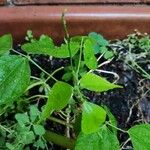
Vigna caracalla
Snailflower · Corkscrew vine
Description
Source: leafsnapVigna caracalla, also known as the snail vine or corkscrew vine, is a unique and beautiful flowering plant in the Fabaceae family. Native to tropical regions of South America, this vine is widely cultivated as an ornamental plant throughout the world. The snail vine gets its name from its distinctive flowers, which resemble tiny snails or corkscrews. These fragrant flowers come in shades of pink, purple, and white, and bloom from summer to fall on long, twining stems that can reach up to 10 feet in length. The leaves of Vigna caracalla are compound, each consisting of three leaflets. They are dark green with a glossy texture and can grow up to 6 inches long. This plant thrives in full sun or partial shade and prefers well-draining soil that is kept moist but not waterlogged. It can be grown as a climbing vine on trellises or fences, but also works well as a ground cover. Once established, Vigna caracalla requires minimal care but may need occasional pruning to keep it under control. It attracts bees, butterflies, and hummingbirds, making it an excellent addition to pollinator gardens. Overall, Vigna caracalla is an attractive flowering plant with unique blooms that will add interest wherever it is planted!
Care Guide
💧 Water Every 7 days
The snail flower flourishes in tropical environments, needing consistent moisture and high humidity to thrive. It prefers to be watered weekly but can tolerate brief dry spells. Using rainwater is advantageous, and during the growing season, its water requirements increase to support robust growth and blooming.
☀️ Light Full sun
The snail flower is a sun-loving, perennial herbaceous plant native to open habitats and commonly found in meadows and grasslands. It prefers full sun but can also tolerate partial sun.
🌡️ Temperature 20–37.8°C
The snail flower is native to areas where temperatures usually lie between 68 and 100 °F (20 to 38 ℃). This plant favors warmer conditions for optimal growth, so adjustments are necessary during colder periods.
💨 Humidity
🪴 Soil 6-6
🌱 Fertilizer
Appropriate fertilization is essential for the Snail flower's health and appearance. Fertilize the Snail flower during summer, repeating the application monthly throughout the season. Nutrients supply energy for growth and support the plant's parts. Fertilizing improves the Snail flower's floral display, helping it achieve the best blooms.
🪴 Pot & Repot 2-3 years
Repot the snail flower every 2 to 3 years in the spring, using a medium-sized container to allow for root growth. After repotting, place the snail flower in indirect light and keep the soil consistently moist to support its recovery and encourage climbing.
✂️ Pruning
Pruning snail flower from early to late spring encourages branching and removes weak growth, promoting its overall health. This practice enhances flowering, controls plant size, prevents disease, and improves air circulation. For optimal blooms and lush foliage, prune before the growing season begins.
🌿 Propagating
🐛 Diseases & pets
☠️ Toxicity
Characteristics
- Plant Type
- Vine, Herb
- Life Cycle
- Perennial
- Genus
- Vigna
- Family
- Leguminosae
- Hardiness Zone
- 9-11
- Mature Height
- 3.66 m to 9.14 m
- Mature Spread
- 49 cm
- Leaf Color
- Green, Dark Green
- Leaf Type
- Deciduous
- Flower Color
- White, Purple, Pink
- Flower Size
- 5.08 cm to 6.35 cm
- Bloom Time
- Summer, Early fall, Mid fall
- Planting Time
- Spring, Summer, Autumn
- Harvest Time
- Late summer, Fall, Early winter
- Native Area
- Colombia, Mexico, Bolivia, Venezuela, Peru, Brazil, Nicaragua, Ecuador, Costa Rica, Panama