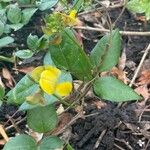
Vigna luteola
Dalrymple vigna · Hairypod cowpea · Akwari · Kashilka · Lubiya Tajyib
Description
Source: leafsnapVigna luteola, commonly known as the hairy cowpea and the Nile bean, is a perennial vine found in many tropical areas.
Care Guide
💧 Water
Hairypod cowpea thrives in tropical climates where it can receive consistent moisture and high humidity. This plant prefers stable hydration, so watering it weekly is recommended for optimal health. Although it is adaptable to various climates, effective irrigation is essential for promoting its robust growth, as its growth cycle is significantly influenced by water availability.
How should I water my Hairypod cowpea plant?
The Hairypod cowpea has specific preferences not only for the amount of water it receives, but also for how that water is provided. If you don't use the proper watering technique, it can harm your tomatoes. To water the Hairypod cowpea effectively, it's best to apply the water directly to the soil in a slow and gentle manner. Avoid pouring all the water into the soil at once and avoid overhead watering. While watering slowly, make sure to water deeply to ensure the soil where the Hairypod cowpea grows is adequately moist.
What should I do if I give too much or too little water to my Hairypod cowpea?
If you realize that you have watered your Hairypod cowpea too much and are worried about the risk of disease, you should take action right away. The best way to deal with an overwatered Hairypod cowpea is to remove it from its current spot. Once the plant is out of the ground, let its roots dry out a bit before planting it in a new spot. Make sure that the new spot has well-draining soil. If you are growing the plant in pots, you may also want to transfer it to a pot with more or larger holes for drainage. On the other hand, if you have underwatered your plant, simply water it more frequently.
How frequently should I water my Hairypod cowpea plant?
Hairypod cowpea is a type of plant that requires a lot of water as it grows. To ensure it gets enough water, it is important to water it regularly throughout the spring and summer. In the early stages of the growing season, watering once or twice a week is sufficient. However, as the season progresses, the frequency of watering should be increased. In the summer, depending on the weather, it may need to be watered twice a day or even more. Once the Hairypod cowpea has completed its main growth phases, the frequency of watering can be reduced to about once a week until the end of the growing season.
How much water does my Hairypod cowpea plant require?
Hairypod cowpea is a very popular plant among gardeners, and we have gathered a lot of knowledge about how to take care of them. Specifically, we have a good understanding of the amount of water that these plants need. On average, a Hairypod cowpea should receive about 1 - 1.5 inches of water per week. It's important to water them evenly throughout the week. As the weather gets hotter, you may need to increase the amount of water to about two inches per week, but in most cases, a baseline amount of two inches is sufficient.
How can I know if I'm giving enough water to my Hairypod cowpea?
The Hairypod cowpea can experience problems from both underwatering and overwatering, which can cause similar symptoms. For instance, both overwatering and underwatering can result in foliage discoloration and wilting. When the cowpea is underwatered, the leaves will start to curl and droop, and you may notice less vigorous growth. Since this plant requires a lot of water, underwatering can also lead to stunted growth and poor overall development. On the other hand, overwatering is more likely to cause diseases such as rot and produce unpleasant odors from the soil. Symptoms of underwatering appear faster than those of overwatering. If you observe a lot of standing water or waterlogged soil, it is likely that overwatering is occurring.
☀️ Light Full sun
The Hairypod cowpea flourishes in regions where it receives ample sunlight for a considerable part of the day. It can also tolerate locations where the intensity of the sun decreases for certain periods, casting less light on the plant. Its native environment boasts plenty of daylight, which contributes to its robust growth. However, extreme shade or dry exposure can impede the plant's growth.
What are the sunlight requirements for Hairypod cowpea?
Hairypod cowpea thrives when bathed in sunlight for most of the day, requiring full sun exposure of above 6 hours of sunlight daily, but it can also manage in partial sun, with about 3-6 hours of sunlight. Its origin habitat's abundant daylight supports its healthy growth. The plant's well-being is tied to the right balance of light and shade, as too much shade or overexposure can impede its development.
How does artificial lighting aid Hairypod cowpea's indoor growth?
Indoor plants like the Hairypod cowpea require adequate lighting for optimal growth, especially in conditions where natural sunlight is lacking. Artificial lights become essential in such scenarios, particularly during winter or in less sunny locales. Optimal species-specific artificial light includes LED lights that provide necessary wavelengths, emulating natural sunlight conditions. Recommendations include 30-50W/sq ft for full sun plants, 20-30W/sq ft for partial sun plants, and 10-20W/sq ft for full shade plants. The light source should be placed 12-36 inches away from the plant for 8-12 hours a day to mimic natural sunlight effectively.
What are the symptoms of insufficient light in Hairypod cowpea?
Hairypod cowpea, when lacking sufficient light, may display several symptoms. These include smaller new leaves indicative of light deficiency, leggy or sparse growth due to elongated spaces between leaves or stems, and early leaf drop as a resource conservation measure. Further signs include slower or stalled growth, lighter-colored or chlorotic leaves from insufficient chlorophyll, and damage such as sunscald, leaf curling, wilting, and leaf scorching, which occur with improper light conditions.
How can you improve Hairypod cowpea's growth with lighting adjustments?
To boost Hairypod cowpea's growth, gradually introduce it to more sunlight until it gets at least 6 hours of direct sunlight daily, especially if grown indoors. Using south-facing windows and keeping curtains open during daylight hours enhances light exposure. For outdoor plants, move them progressively to sunnier spots to avoid sunburn. You can also employ artificial lighting solutions, like keeping a lamp on for minimum 8 hours a day or investing in professional grow lights. Addressing obstructions by pruning or relocating plants can further optimize light intake. Although parts of the plant damaged by insufficient light may not recover, new growth should flourish under improved lighting conditions.
🌡️ Temperature 15–37.8°C
The Hairypod cowpea flourishes in its indigenous temperate climate, favoring temperatures between 59 to 100 °F (15 to 38 ℃). To promote the best growth, keep these temperature ranges consistent throughout the year, making modifications as needed.
What is the optimal temperature range for growing Hairypod cowpea?
Hairypod cowpea, with its botanical name Vigna luteola, thrives optimally in temperate environments where the temperature ranges between 59°F to 100°F (15°C to 38°C). To ensure the best growth conditions, it is crucial to maintain these temperature parameters throughout the year, making necessary adjustments depending on the season. Especially during winter cultivation, keeping the temperature above 15°C is beneficial, while it is important to ensure that the temperature does not drop below freezing point to prevent the plant from suffering freeze damage. In regions where the outdoor temperature may fall to around -5°C (25°F), it is advisable to either bring the Hairypod cowpea indoors or to provide adequate protection by setting up a temporary greenhouse or using protective materials such as plastic film or fabric wraps.
How does Hairypod cowpea react to low temperatures, and what are the solutions if it gets too cold?
Hairypod cowpea has a moderate tolerance to low temperatures, faring best when the thermometer reads between 15°C and 38°C. Throughout the winter months, precautions should be taken to keep the environment above -5°C to avoid cold stress. Should temperatures plunge below -10°C, the plant’s leaves may darken and, in severe conditions, exhibit water-soaked necrosis alongside symptoms of wilting and drooping. In such instances, leaves gradually turn brown as a sign of damage. The recommended course of action includes trimming away the frost-damaged parts and immediately moving the plant to a warmer indoor setting or erecting a temporary greenhouse to provide cold protection. If moved indoors, positioning the plant near a south-facing window will ensure it gets enough sunlight; if sunlight is insufficient, supplemental lighting can be used to support its growth.
How does Hairypod cowpea respond to high temperatures, and what should be done when it gets too hot?
During the peak of summer, it is essential to ensure that the temperature surrounding the Hairypod cowpea does not exceed 38°C. Should the environment's temperature climb beyond 43°C, the plant shows signs of distress; its growth may slow down, leaves might lighten in color, and susceptibility to sunburn increases. In such cases, the best response includes trimming away parts of the plant that are sunburned or dried out. Subsequently, relocating the plant to a shaded area, preferably one protected from the harsh afternoon sun, helps. Additionally, regular watering schedules in the morning and evening will aid in keeping the soil adequately moist, mitigating the heat's impact.
💨 Humidity
🪴 Soil 6-7
🌱 Fertilizer
In the case of Hairypod cowpea, it is advisable to utilize natural organic resources such as compost, cut grass, or excrement. Carefully apply slow-release granular fertilizer or commercially available fertilizer. Integrate the organic fertilizer with the soil before sowing. Generally, applying fertilizer one or two times in the growth season is enough to ensure a plentiful yield.
🪴 Pot & Repot
✂️ Pruning
Hairypod cowpea, with its twining stems and yellow flowers, is an excellent addition to gardens. To manage its growth and maintain healthy foliage, it's important to prune from early to late spring. Effective pruning techniques include cutting back overgrown stems and removing damaged branches. This not only enhances airflow and light penetration but also reduces the risk of disease and stimulates flowering.
🌿 Propagating
🐛 Diseases & pets
☠️ Toxicity
Characteristics
- Plant Type
- Herb, Vine
- Life Cycle
- Perennial
- Genus
- Vigna
- Family
- Fabaceae
- Hardiness Zone
- 8-11
- Mature Height
- 1.22 m to 2.44 m
- Mature Spread
- 0.91 m to 2.13 m
- Leaf Color
- Green, Dark Green
- Leaf Type
- Deciduous
- Flower Color
- Yellow
- Flower Size
- 2.54 cm to 5.08 cm
- Bloom Time
- Summer, Fall
- Planting Time
- Winter
- Harvest Time
- Late summer, Fall, Early winter
- Native Area
- Egypt, India, Belize, Mexico, Guatemala, Namibia, Madagascar, Rwanda, Kenya, Uganda, Tanzania, Zimbabwe, Niger, Jamaica, Guinea-Bissau, Benin, Cuba, Sierra Leone, Burundi, Liberia, Venezuela, Brazil, Ghana, Ethiopia, Botswana, Congo, Malawi, Honduras, Peru, South Africa, Zambia, Sudan, Philippines, Laos, Guinea, Panama, Chad, Lebanon, Colombia, China, Bahamas, Bolivia, Vietnam, Myanmar, Japan, Togo, Guyana, Senegal, Nicaragua, Côte d'Ivoire, Ecuador, Costa Rica, Congo (DRC), Thailand