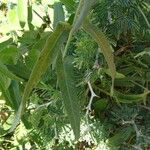
Vigna unguiculata
لوبیا چشم بلبلی · Cowpea · Reeve's-pea · Snake-bean · Kacang lindung
Description
Source: leafsnapThe cowpea (Vigna unguiculata) is an annual herbaceous legume from the genus Vigna. Its tolerance for sandy soil and low rainfall have made it an important crop in the semiarid regions across Africa and Asia. It requires very few inputs, as the plant's root nodules are able to fix atmospheric nitrogen, making it a valuable crop for resource-poor farmers and well-suited to intercropping with other crops. The whole plant is used as forage for animals, with its use as cattle feed likely responsible for its name. Four subspecies of cowpeas are recognised, of which three are cultivated. A high level of morphological diversity is found within the species with large variations in the size, shape, and structure of the plant. Cowpeas can be erect, semierect (trailing), or climbing. The crop is mainly grown for its seeds, which are high in protein, although the leaves and immature seed pods can also be consumed. Cowpeas were domesticated in Africa and are one of the oldest crops to be farmed. A second domestication event probably occurred in Asia, before they spread into Europe and the Americas. The seeds are usually cooked and made into stews and curries, or ground into flour or paste. Most cowpeas are grown on the African continent, particularly in Nigeria and Niger, which account for 66% of world production. A 1997 estimate suggests that cowpeas are cultivated on 12.5 million hectares (31 million acres) of land, have a worldwide production of 3 million tonnes and are consumed by 200 million people on a daily basis. Insect infestation is a major constraint to the production of cowpea, sometimes causing over 90% loss in yield. The legume pod borer Maruca vitrata is the main preharvest pest of the cowpea and the cowpea weevil Callosobruchus maculatus the main postharvest pest.
🌳 Cowpea is more than just a meal ingredient; it has a wide range of uses, from providing nourishment through its high protein content to serving in various craft applications. Notably, cowpea acts as a symbol of hope in the fight against food scarcity, functioning as an essential protein source for both people and animals. Additionally, its sturdy stems are valuable for making durable items and its striking flowers are used to create natural dyes for fabrics.
Care Guide
💧 Water Every week
Cowpea flourishes in warm climates and thrives on consistent moisture, reflecting its tropical origins. Although it is drought-resistant, cowpea requires weekly watering to maintain optimal health. As an annual legume, it benefits greatly from rainwater during its growing season, which enhances nutrient absorption and promotes robust growth.
How should I water my Cowpea plant?
The Cowpea has specific water preferences and is particular about how it is watered. If you don't water it correctly, your tomatoes may suffer. The recommended watering technique for Cowpea is to apply water directly to the soil in a slow and gentle manner. Avoid pouring all the water at once or doing overhead watering. It's important to water slowly but also deeply to ensure the entire soil is adequately moist for your Cowpea to thrive.
What should I do if I give my Cowpea plant too much water or too little water?
If you realize that you have given your Cowpea too much water and are worried about the risk of disease, it's important to take action right away. The best solution for an overwatered Cowpea is to remove it from its current spot. Once the plant is out of the ground, let its roots dry out a bit before replanting it in a new location with well-draining soil. If you're growing in pots, you might also want to consider changing to a pot with better drainage. On the other hand, if you've been underwatering, simply water your plant more often to ensure it gets enough moisture.
How often do I need to give water to my Cowpea?
Cowpea needs a lot of water during its growing season. To meet this need, you should water it regularly from spring to summer. In the beginning, water it once or twice a week. As the season goes on, increase the frequency of watering. In summer, you may need to water it two times a day or even more, depending on how hot it is. Once the Cowpea plants have finished growing, you can reduce watering to about once a week until the end of the season.
How much water does my Cowpea plant require?
Cowpea plants are very popular among gardeners, both professional and amateur. Because of this, we have gained a clear understanding of how to care for them, including their water requirements. On average, a Cowpea plant needs about 1-1.5 inches of water per week. It's important to distribute this water evenly throughout the week. As the weather gets hotter, you may need to increase the amount of water, but typically, providing two inches of water per week is a good starting point.
How do I know if I'm giving enough water to my Cowpea?
Cowpeas can face issues with both underwatering and overwatering, which can result in similar symptoms such as foliage discoloration and wilting. When your Cowpea is underwatered, its leaves will curl and droop initially, and you may notice a decrease in leaf vigor. This lack of water can stunt growth and negatively impact overall development, as Cowpeas thrive on ample water. On the other hand, overwatering can lead to diseases like rot and unpleasant odors emanating from the soil. Symptoms of underwatering tend to appear faster than those of overwatering. If you observe excessive standing water or waterlogged soil, it is likely a sign of overwatering.
☀️ Light Full sun
Cowpea does best with strong exposure to sunlight. A plentiful supply of light is essential for this plant's healthy development and growth. In its native habitat it receives abundant sunshine, a condition that should be replicated for optimal cultivation. A deficiency can hamper growth, while a surplus can cause detrimental burning.
What are the sunlight requirements for cowpea cultivation?
Cowpeas require robust exposure to sunlight to thrive, with a preference for full sun, meaning they should receive above 6 hours of sunlight daily. However, they can also grow in partial sun, which is about 3-6 hours of sunlight per day. It is essential to watch how sunlight moves through your garden, choosing spots that offer a balance of light and shade, ensuring optimal growth. Inadequate sunlight may hinder the plant's development, while too much sunlight can lead to detrimental effects such as burning.
How important is sunlight for cowpea plants, and what are the alternatives if natural light is insufficient?
Sunlight is crucial for the healthy development and growth of cowpea plants, as their native environment exposes them to copious sunlight. Should natural sunlight be insufficient, especially for indoor plants during winter or in less sunny spaces, artificial lighting provides a vital solution. Adequate artificial light promotes faster, healthier growth. LED lights are recommended because they can be customized to provide specific wavelengths of light. The requirements vary with full sun plants needing 30-50W/sq ft, partial sun plants 20-30W/sq ft, and full shade plants 10-20W/sq ft. The artificial light should be placed 12-36 inches above the plant, mimicking natural sunlight for 8-12 hours per day.
What symptoms indicate a cowpea plant is receiving insufficient light?
Cowpea plants exhibit several symptoms when they receive insufficient light, including smaller new leaves, leggy or sparse growth, premature leaf drop, and halted new growth. These signs indicate that the plant is struggling with light deficiency, transitioning to a survival mode that affects its growth and vibrancy. Inadequately lit plants may show irregularly colored or paler new leaves due to a lack of chlorophyll and essential nutrients, signaling the need for better light conditions.
What are the adverse effects of excessive sunlight on cowpea plants?
Cowpea plants can suffer from various conditions due to excessive sunlight, including chlorosis, which leads to yellowing of leaves, and sunscald, which causes damage to leaves and stems. Leaf curling, wilting, and leaf scorching are defense mechanisms and symptoms of too much sun exposure, resulting in reduced photosynthetic capacity and overall health. These signs indicate a need to manage the plant’s exposure to sunlight carefully to prevent damage.
What solutions can be applied to address light-related issues for indoor, outdoor, and ground-planted cowpea plants?
To ensure cowpea plants receive optimal sunlight, gradually move indoor plants to sunnier locations, utilizing a south-facing window or artificial lighting like desk or ceiling lamps, or professional plant grow lights for at least 8 hours daily. Outdoors, adapt plants to increased sunlight gradually to avoid sunburn. For ground-planted cowpeas, minimize light obstructions by pruning trees and consider transplanting smaller plants during the dormant period to locations with better sunlight and drainage. Note that parts of the plant affected by insufficient sunlight may not recover, but new growth will be healthy.
🌡️ Temperature 20–37.8°C
Cowpea naturally does best in a temperate environment with temperatures ranging from 68 to 100 °F (20 to 38 ℃). During heatwaves or colder days, be sure to adjust the surroundings to suit its preferred conditions.
What is the ideal temperature range for growing Cowpea?
Cowpea thrives best in a temperate environment with temperatures ranging from 68 to 100°F (20 to 38°C). To ensure optimal growth, it's important to maintain the surrounding environment within this temperature range. During winter, temperatures should be kept above 20°C and never drop below the freezing point to avoid plant damage. In cases where outdoor temperatures approach -5°C (25°F), consider bringing Cowpea plants indoors or providing protection with a temporary greenhouse or wrapping materials like plastic film or fabric.
How does Cowpea react to low temperatures, and what should I do if it gets too cold?
Cowpea exhibits moderate tolerance to low temperatures, ideally growing between 20°C and 38°C, and should be maintained above 5°C during winter. Should temperatures fall below 1°C, leaves may darken, and in severe cases, exhibit water-soaked necrosis, wilting, drooping, and eventually brown. To manage frost damage, trim the affected parts and move the plant to a warmer indoor environment or create a makeshift greenhouse. Place the plant near a south-facing window for sunlight, and if necessary, use supplemental lighting.
What measures should be taken if Cowpea experiences high temperatures?
During summer, Cowpea's temperature should not exceed 38°C, and care should be taken to protect the plant if temperatures surpass 43°C, which can result in slowed growth, lighter leaf color, and increased sunburn susceptibility. To mitigate high temperature stress, trim sunburned and dried parts of the plant, relocate it to a shaded area, especially from the afternoon sun, and ensure the soil remains moist by watering in the morning and evening.
💨 Humidity
🪴 Soil 5-6
🌱 Fertilizer
To feed Cowpea, apply natural or commercial fertilizers that are high in nitrogen for leaf development, phosphorus for root growth and flowering, and potassium to support photosynthesis and maximize fruit yield. Sow in spring, improve the soil with compost or manure, and feed seedlings once they reach a height of 2-4 inches. A lack of macronutrients causes stunted growth, wilting, and reduced fruit quality.
🪴 Pot & Repot
✂️ Pruning
Cowpea is a drought-tolerant legume prized for its edible seeds. Prune it from early to late spring to promote growth and improve air circulation by removing dead branches and reducing overcrowding. This timing encourages active growth, leading to increased yield and better pest resistance for a successful season.
🌿 Propagating
🐛 Diseases & pets
☠️ Toxicity
Characteristics
- Plant Type
- Herb, Vine
- Life Cycle
- Annual
- Genus
- Vigna
- Family
- Fabaceae
- Hardiness Zone
- 10-12
- Mature Height
- 2.13 m
- Mature Spread
- 2.13 m to 3.05 m
- Leaf Color
- Green, Dark Green
- Leaf Type
- Semi-evergreen
- Flower Color
- White, Lavender
- Flower Size
- 2.54 cm to 5.08 cm
- Bloom Time
- Early summer, Mid summer
- Planting Time
- Spring, Summer
- Harvest Time
- Mid summer, Late summer
- Native Area
- West Africa